Interior Design • Neuroinclusion • New Book
Amazon Best Seller • Interior Architectural DesignA home can be beautiful and still ask too much of the person living there. My new book explores what happens when we design our homes to carry more of the work.
As an Amazon Associate I earn from qualifying purchases. I may earn a commission if you buy through this paid link, at no additional cost to you.
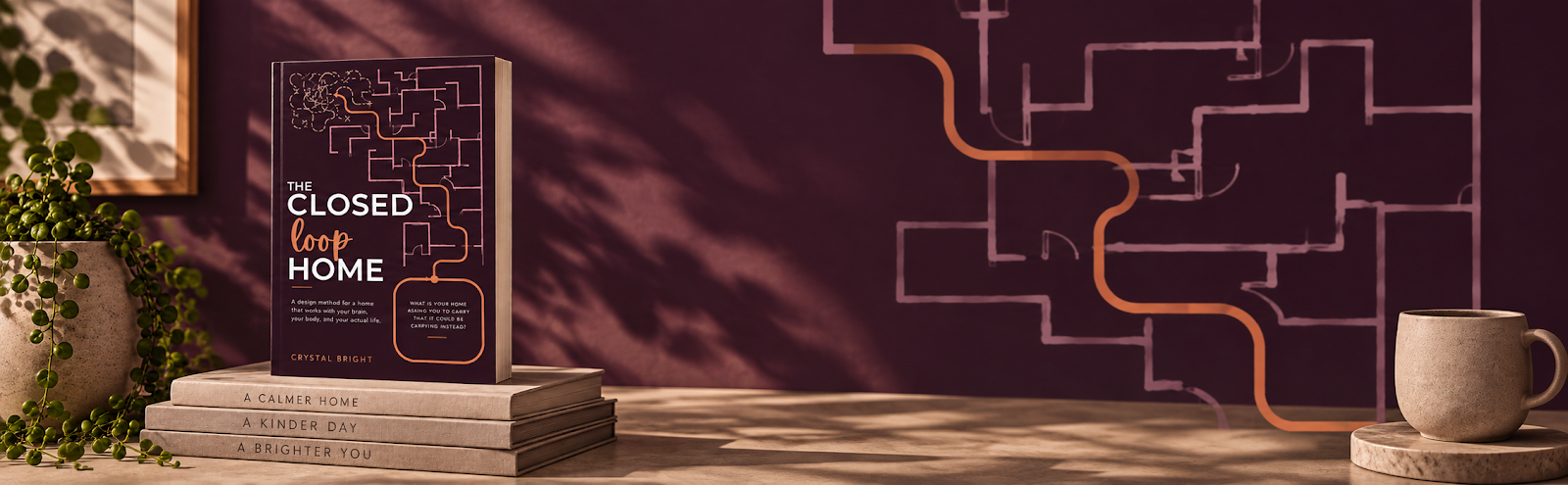
My new book earned an Amazon category bestseller badge just days after launch.
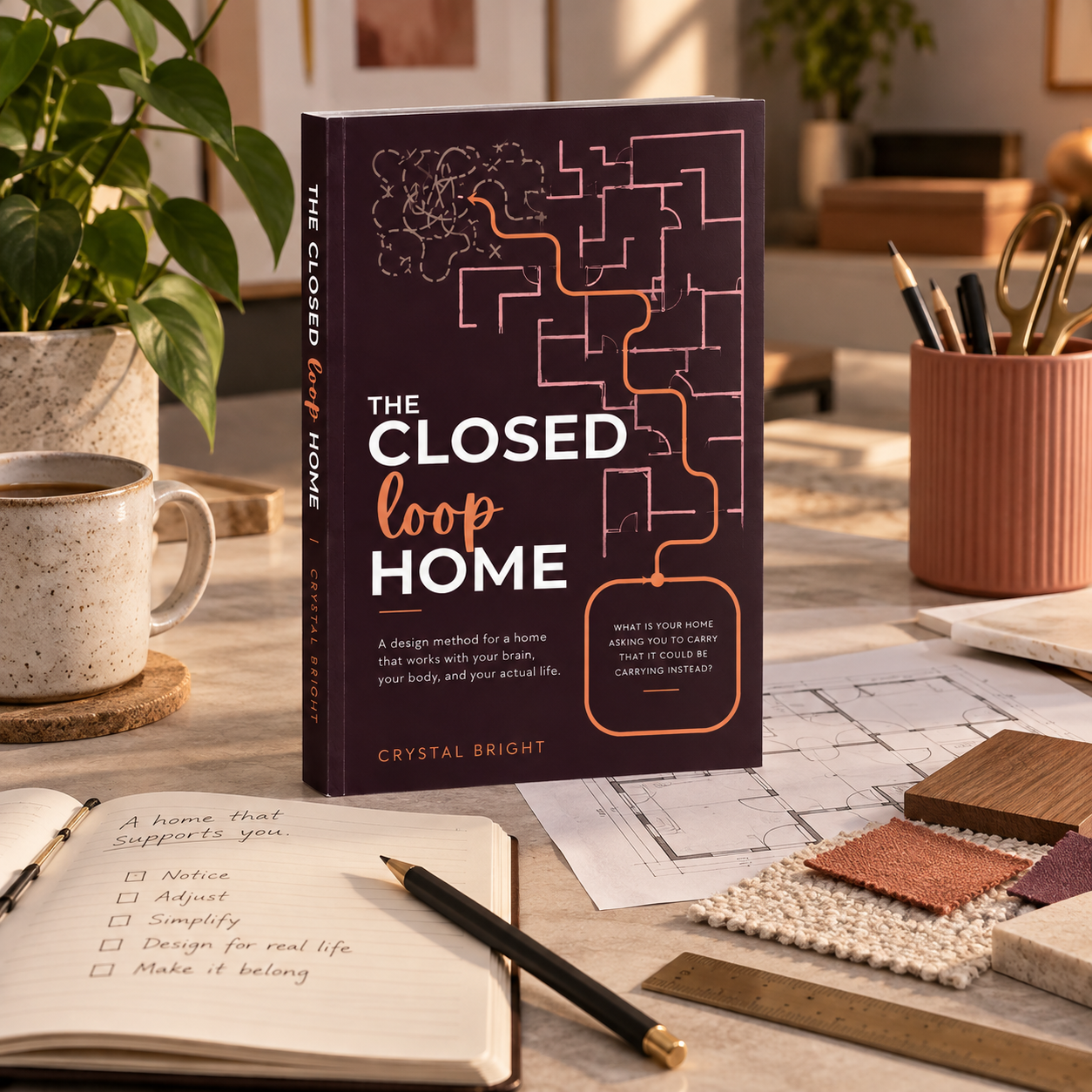
On October 31, 2026, I released The Closed Loop Home: Design a Home That Supports Your Neurodivergent Brain—even on Low-Energy Days. By November 2, it had earned Amazon's Best Seller designation in Interior Architectural Design.
It is an extraordinary beginning for a book that grew out of years of working as an interior designer, observing my own neurodivergent experience, and asking a question that kept changing how I looked at ordinary rooms:
What is your home asking you to carry that it could be carrying instead?
The remembering. The searching. The extra trips. The visual noise. The transitions that interrupt dinner or make bedtime harder. Those demands are part of how a home functions, even if they rarely appear in a floor plan.
Explore the book on AmazonPaperback, Kindle and audiobook editions are available through Amazon and its audiobook platform. Paid purchase link.
The Method
What is a Closed Loop Home?
A Closed Loop Home is designed around what actually happens in daily life: where objects land, what the body avoids, which routines break, and how the space can make each next step easier to access.
Instead of beginning with the assumption that a person needs more discipline or a prettier storage system, we begin with the event itself. What were they trying to do? At what point did continuing become difficult?
Sometimes the answer is a bigger architectural change. Often it is a small, repeated form of relief: a towel beside the sink, a charger at the seat, or a place for unfinished work to pause safely.
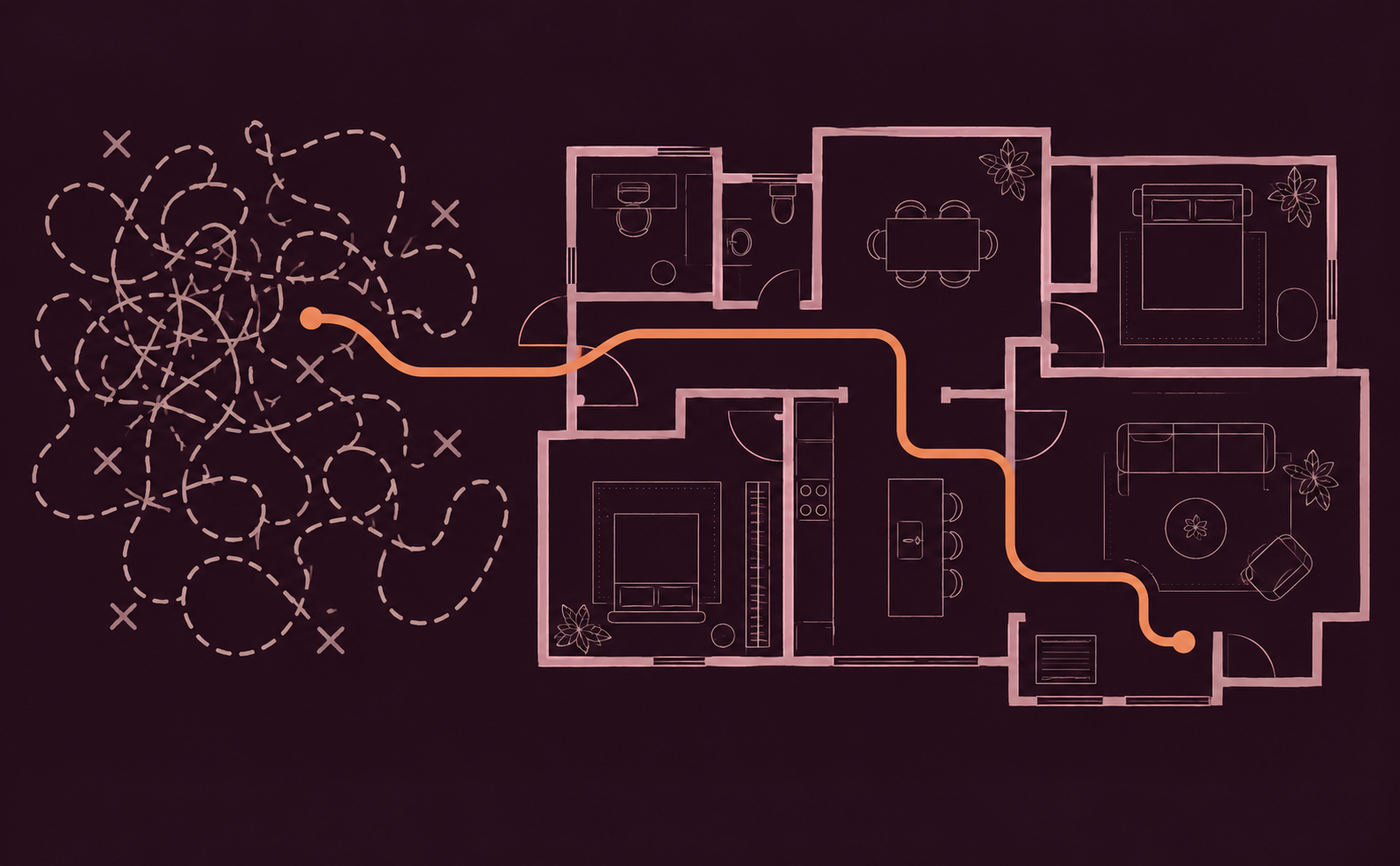
The Closed Loop Code
- EVENT
- NEED
- FRICTION
- SUPPORT
- EXIT
Then ask: Does it still work on a 20% day?
That final question is my low-capacity test. A beautifully organized room can work on a great day and become demanding when someone is tired, overstimulated, sick, rushed, or parenting through a hard evening. A useful system should have a kind, workable version for those days, too.
Put the ideas to work
Three small design changes that can make everyday life easier
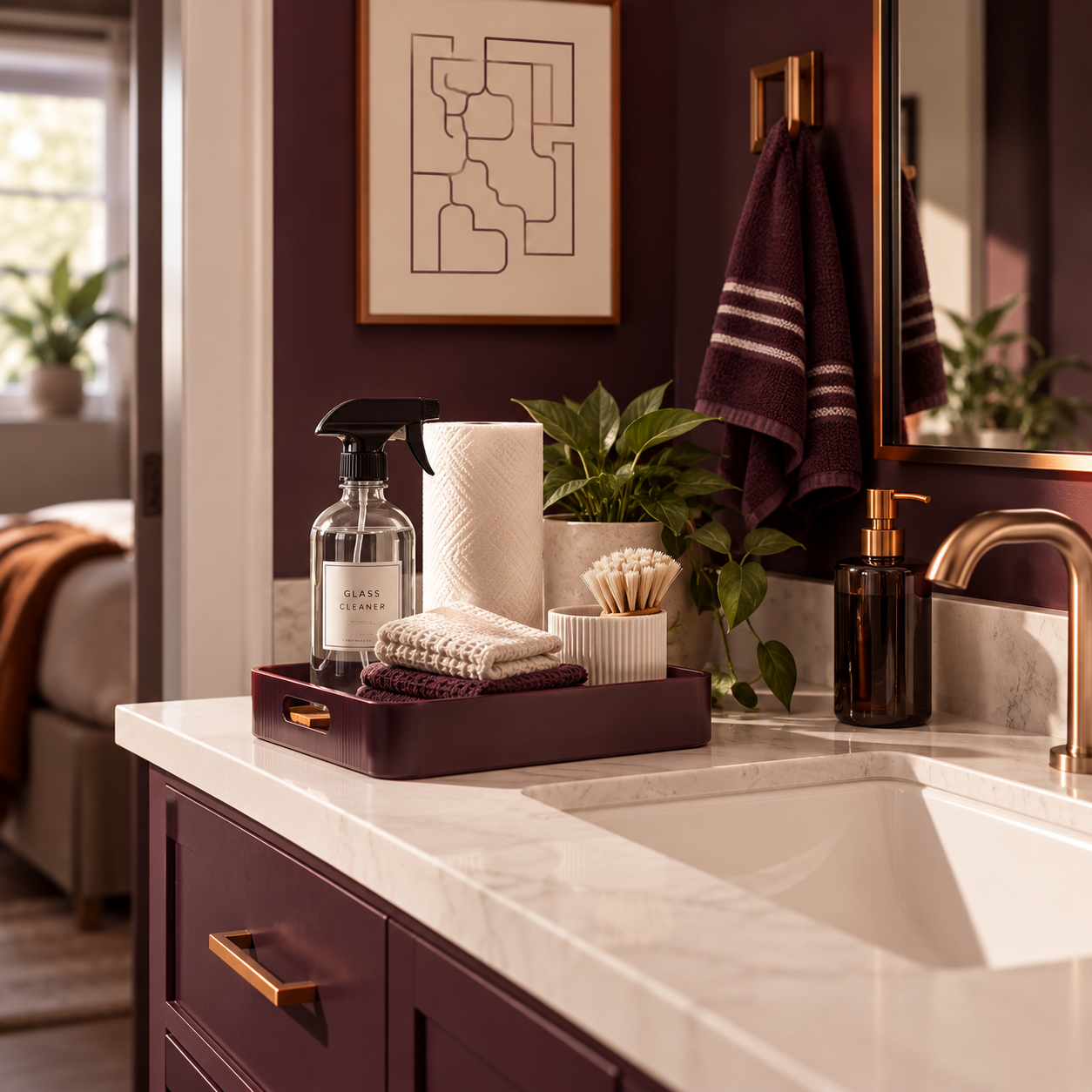
Support at the point of need
Keep everyday tools where the activity really happens. A repeated search or trip can be a design problem worth solving.
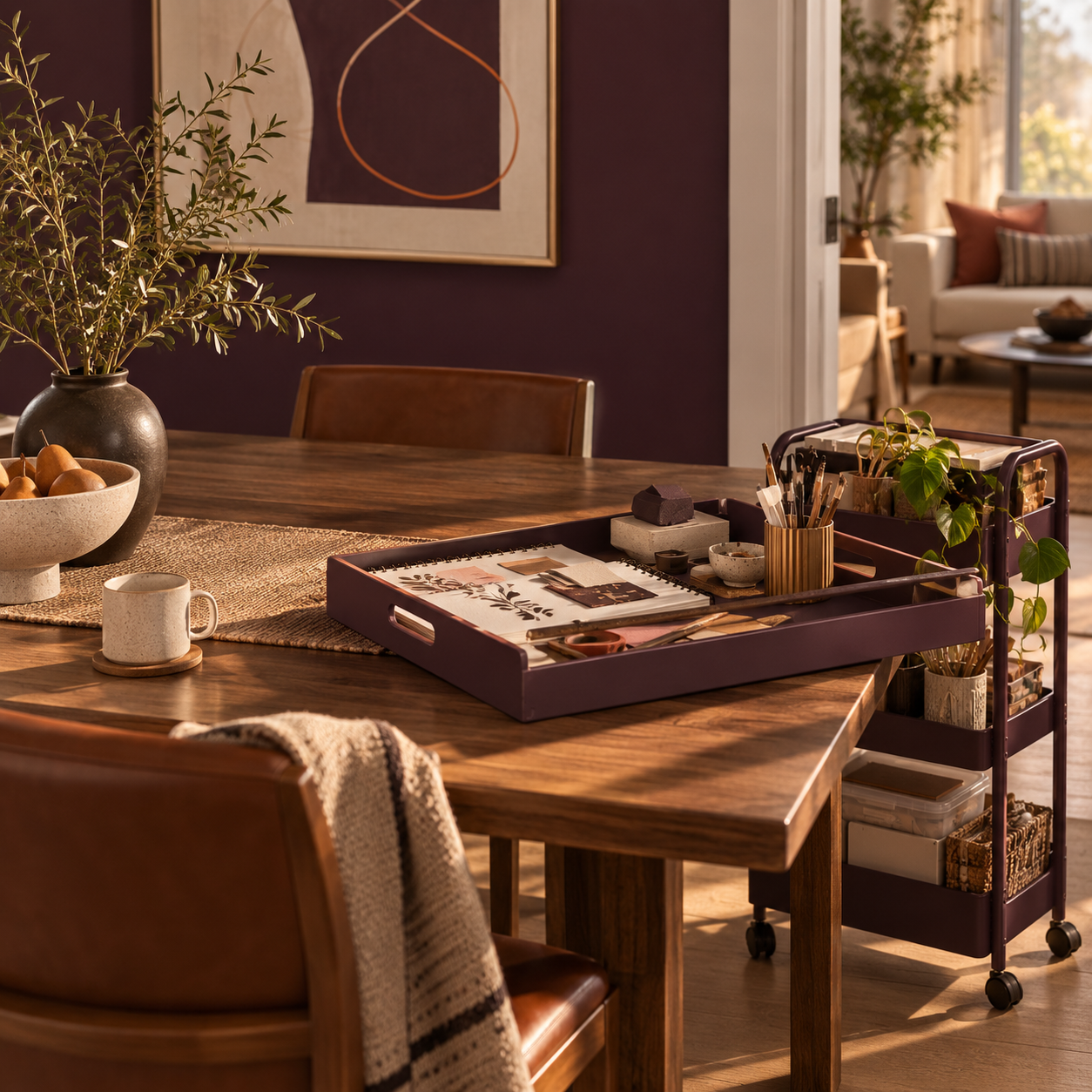
A safe place to pause
An unfinished task can remain in progress without taking over the table or needing to be reconstructed tomorrow.
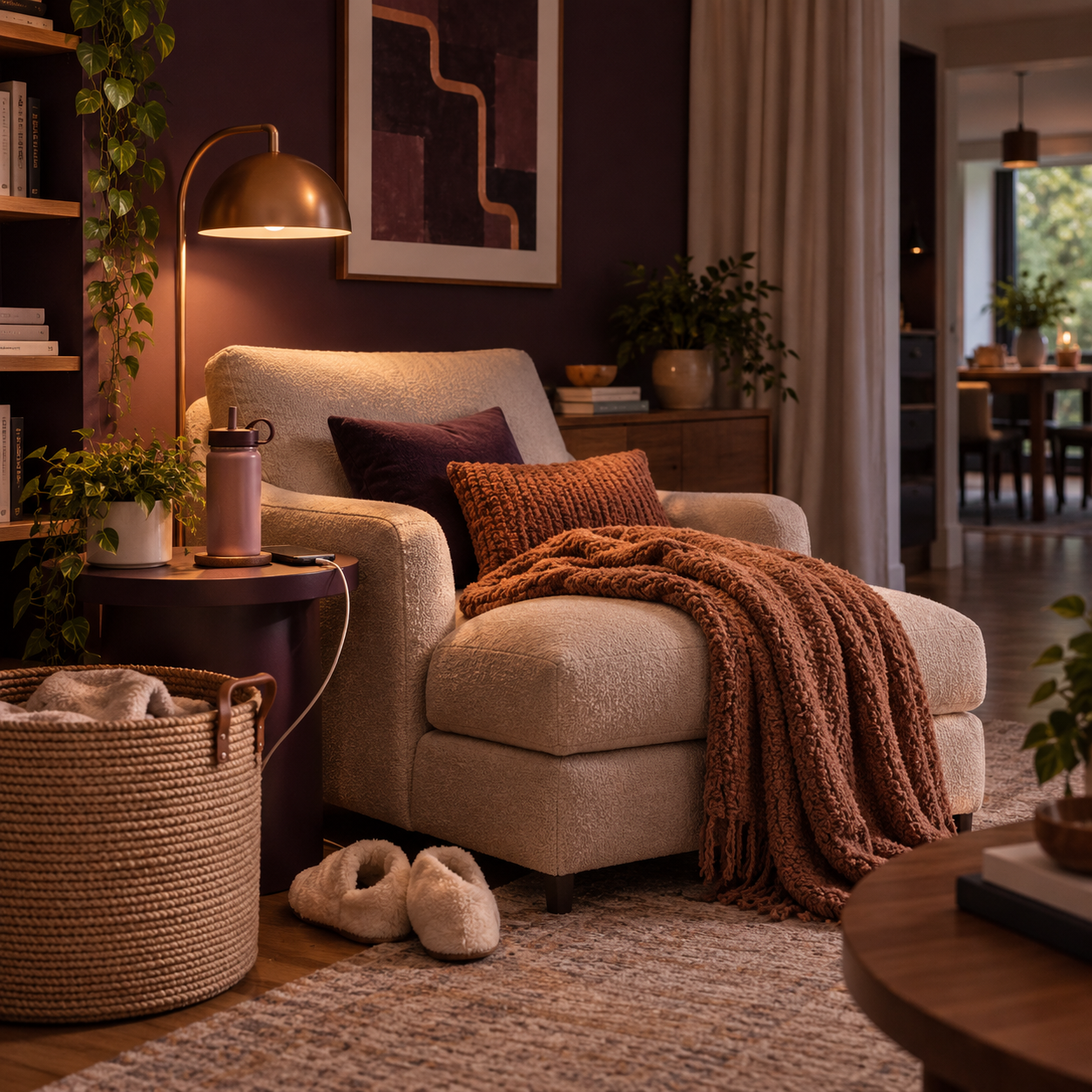
A real 20% path
Design recovery and essential routines to remain usable when energy, attention or sensory capacity is limited.
These are examples, not universal prescriptions. The book teaches readers to identify the repeated friction in their own home, then choose support that fits their behavior and needs.
There is no universal ADHD kitchen—or autism bedroom.
Some people need to see an object to remember that it exists. Others need less visual information in order to settle. One person wants the room quiet; another regulates through music. One person loves an open floor plan; another benefits from a boundary they can control.
Neuroinclusive interior design makes room for those differences. Lighting, storage, furnishings, transitions, privacy, and sensory controls can all be considered as adjustable supports rather than one-size-fits-all rules.
These principles can work in rentals and small apartments, too. A movable screen, reachable lamp, dedicated landing surface, or freestanding storage piece can sometimes change an everyday experience without renovation.
Who it's for
For readers, families and the professionals who support them.
I wrote this book for neurodivergent adults, including people with ADHD, autism and AuDHD, and for people who recognize the everyday friction of attention, memory, sensory input and changing capacity.
It is also for parents, partners, caregivers, interior designers, architects, builders and occupational therapists who want to consider how a space supports the lives unfolding inside it.
Inside are the Closed Loop Code, the 20% Test, guidance on visibility and sensory controls, and reader practices that help you apply the method to your own home.
Quick questions
About the book
Is The Closed Loop Home only for people with an ADHD or autism diagnosis?
No. The design method is intended to help people notice repeated friction and create safer, more usable environmental supports. Readers do not need a particular diagnosis to explore its practical ideas.
Can I use the approach in a rental or small apartment?
Yes. You can begin with behavior-based placement, portable lighting, freestanding furniture, a drop zone or a way to pause work safely. The method begins with a need, not a renovation budget.
Can I read or listen to the book?
Yes. The book has paperback, Kindle and Audible audiobook editions. Choose the format that works best for you.
Available now
Your home is allowed to ask less of you.
The Closed Loop Home: Design a Home That Supports Your Neurodivergent Brain—even on Low-Energy Days is available now. Begin with one recurring moment and see what your space could carry instead.
Read or listen to The Closed Loop Home.
Find the book on Amazon and explore the available editions.
Shop The Closed Loop Home on AmazonAs an Amazon Associate I earn from qualifying purchases. I may earn a commission if you buy through this paid link, at no additional cost to you.
Want a starting point before purchasing? Take the free Closed Loop Home mini audit.