The Evolution of Pest Control: How Modern Prevention is Reshaping Home Wellness and Interior Spaces
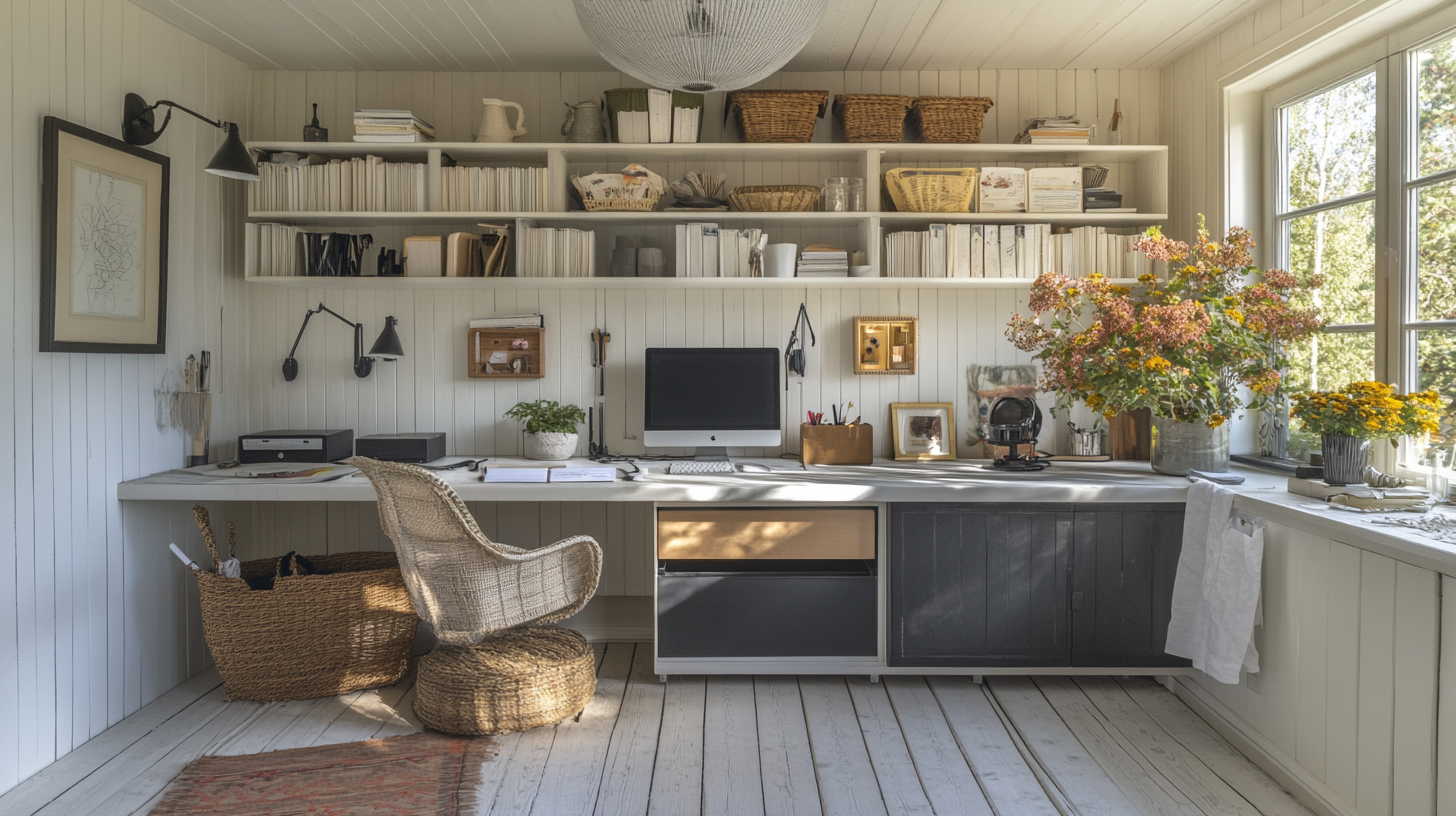
At Living Bright Interiors, we talk a lot about the invisible forces that shape how a room feels, light, texture, scent, the quiet sense of safety a well-designed space gives you. Pests are the uninvited variable that undoes all of that in an instant. A homeowner can spend months curating the perfect linen upholstery or reclaimed wood console, only to find evidence of carpenter ants near the baseboards or moisture damage from a termite colony behind the drywall. Pest prevention and interior wellness are more connected than most design conversations acknowledge, and the way pest control companies operate today looks nothing like the reactive, spray-and-pray approach of a decade ago.
That shift matters for anyone who cares about the longevity of their furnishings, the air quality in their home, or the structural integrity behind a beautifully styled wall. Modern pest management has moved toward prevention, data, and materials that do not compromise indoor air or finishes, which aligns surprisingly well with the values many design-conscious homeowners already hold.
The Shift from Reactive Extermination to Preventive Wellness
A few years ago, pest control meant calling someone after you already had a problem. Today the industry has repositioned itself around prevention, ongoing monitoring, and home wellness rather than one-time chemical intervention. This is not a marketing spin; it reflects real changes in service models, contract structures, and the tools technicians carry into a home. Quarterly inspections, moisture assessments, and entry-point sealing have become standard offerings rather than upsells, because providers have realized that stopping an infestation before it starts protects both the structure and the people living inside it.
This preventive posture matters even more in humid Gulf South climates, where termites, roaches, and moisture-loving pests thrive year-round rather than seasonally. Homeowners in Louisiana in particular deal with a longer pest season and higher humidity that softens wood and encourages mold alongside insect activity. A qualified Thibodaux pest control provider now typically builds a customized prevention plan around the home's construction, landscaping, and moisture patterns instead of simply treating symptoms after the fact. That kind of tailored approach protects wood trim, flooring, and insulation, the very materials that give a home its character and value.
Integrated Pest Management and the Rise of Eco-Friendly Solutions
Perhaps the most significant change in the industry is the move away from broad chemical treatments toward Integrated Pest Management, or IPM, which combines monitoring, habitat modification, and targeted low-toxicity treatments. Homeowners are increasingly asking what is actually being sprayed in their homes, especially those with children, pets, or sensitivities to strong odors and residues. According to Pest Control Industry Trends: Key Statistics to Watch in 2025, consumer demand for sustainable pest control solutions is rising, with IPM and botanical-based pesticides gaining traction as environmentally conscious alternatives to traditional chemical treatments.
This shift has practical implications for interior spaces, not just health. Harsh chemical treatments can discolor grout, stain natural stone, or leave lingering odors that cling to soft furnishings for weeks. Botanical-based products and precision baiting systems reduce that risk considerably, which is one reason design-minded homeowners have started asking pest control companies the same kinds of questions they ask their contractors, about what a product is made of and how it interacts with finishes. For anyone layering natural fibers, stone, or reclaimed materials into a home, as outlined in our own style guide, this compatibility between pest treatment and material integrity is not a minor detail.
Smart Technology and Data-Driven Monitoring
The second major change is technological. Pest control has quietly become a data-driven field, with sensor-based traps, remote monitoring, and AI-assisted pattern recognition replacing the old model of periodic visual inspection. Smart traps can now alert a technician the moment activity is detected, allowing intervention before a small issue becomes a structural one. Adoption of AI tools among pest control businesses jumped from 18 percent in 2024 to 27 percent in 2025, a trajectory that signals this is not a passing gimmick but a genuine operational shift across the industry.
For homeowners, this means fewer surprises and less disruption to a carefully arranged interior. Instead of tearing into walls or moving furniture for a full inspection, technicians can rely on continuous sensor data to pinpoint activity with far more precision. That precision protects the integrity of built-ins, cabinetry, and flooring that would otherwise bear the cost of guesswork-driven repairs. It also means pest prevention can now run quietly in the background of a home, much like a security system, rather than announcing itself with visible traps or recurring treatments.
Building a Pest-Resilient Home Without Sacrificing Design
None of this technology or chemistry matters if the basics of prevention are ignored. Sealing gaps around windows and doors, managing moisture in crawl spaces, and keeping mulch and vegetation a reasonable distance from the foundation remain the backbone of any pest-resilient home. These habits cost little and pay dividends by protecting wood trim, upholstered furniture, and stored textiles from the kind of damage that pests cause silently over months or years.
The data below illustrates why this convergence of prevention, sustainability, and technology is becoming the industry standard rather than a niche offering.

Taken together, these numbers suggest that pest control is no longer a purely defensive expense but an investment in a home's long-term wellness and design integrity. A home free of pests holds its finishes longer, keeps its air cleaner, and gives the people living in it one less thing to worry about while they focus on the details that make a space feel like their own.