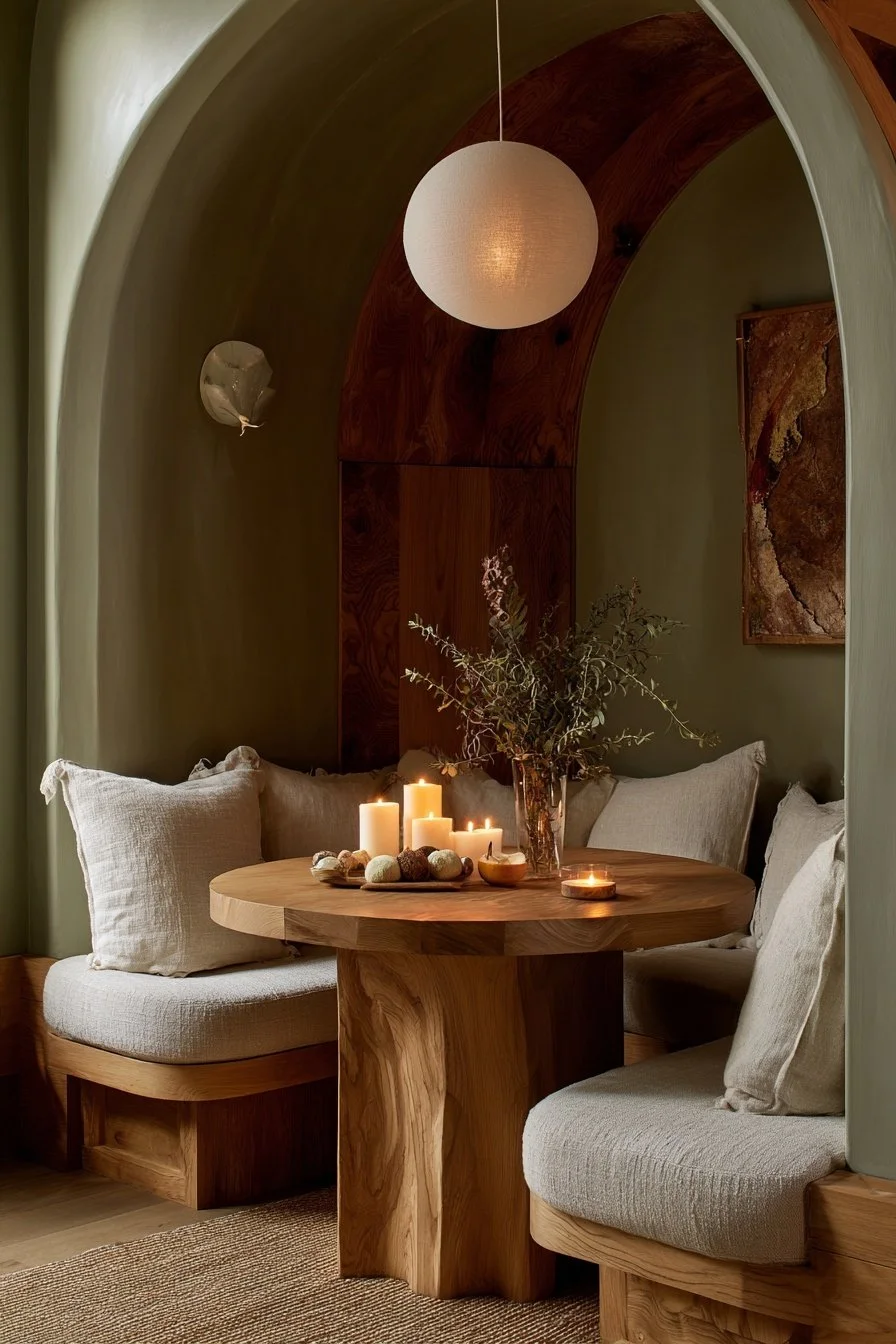
Oxytocin Design: Creating Spaces That Support Safety, Bonding, and Emotional Regulation
Interior design has long been discussed in terms of aesthetics, functionality, and trend cycles. More recently, the conversation has shifted toward psychology — how space influences mood, productivity, and stress. But beneath those outcomes lies something more fundamental: chemistry.
Oxytocin, often referred to as the “bonding hormone,” plays a central role in how we experience safety and connection. It is released during moments of trust, physical closeness, nurturing touch, and emotional attunement. It lowers cortisol, softens fear responses, and increases social openness.
While oxytocin is most commonly associated with human interaction, research across neuroscience, behavioral psychology, and environmental design suggests that the conditions supporting oxytocin release can be influenced by physical surroundings.
If a space reduces threat signals, encourages gentle sensory engagement, and fosters closeness, it can support the physiological state in which oxytocin is more likely to circulate.
This is where Oxytocin Design emerges — not as a trend or aesthetic category, but as a nervous system strategy.
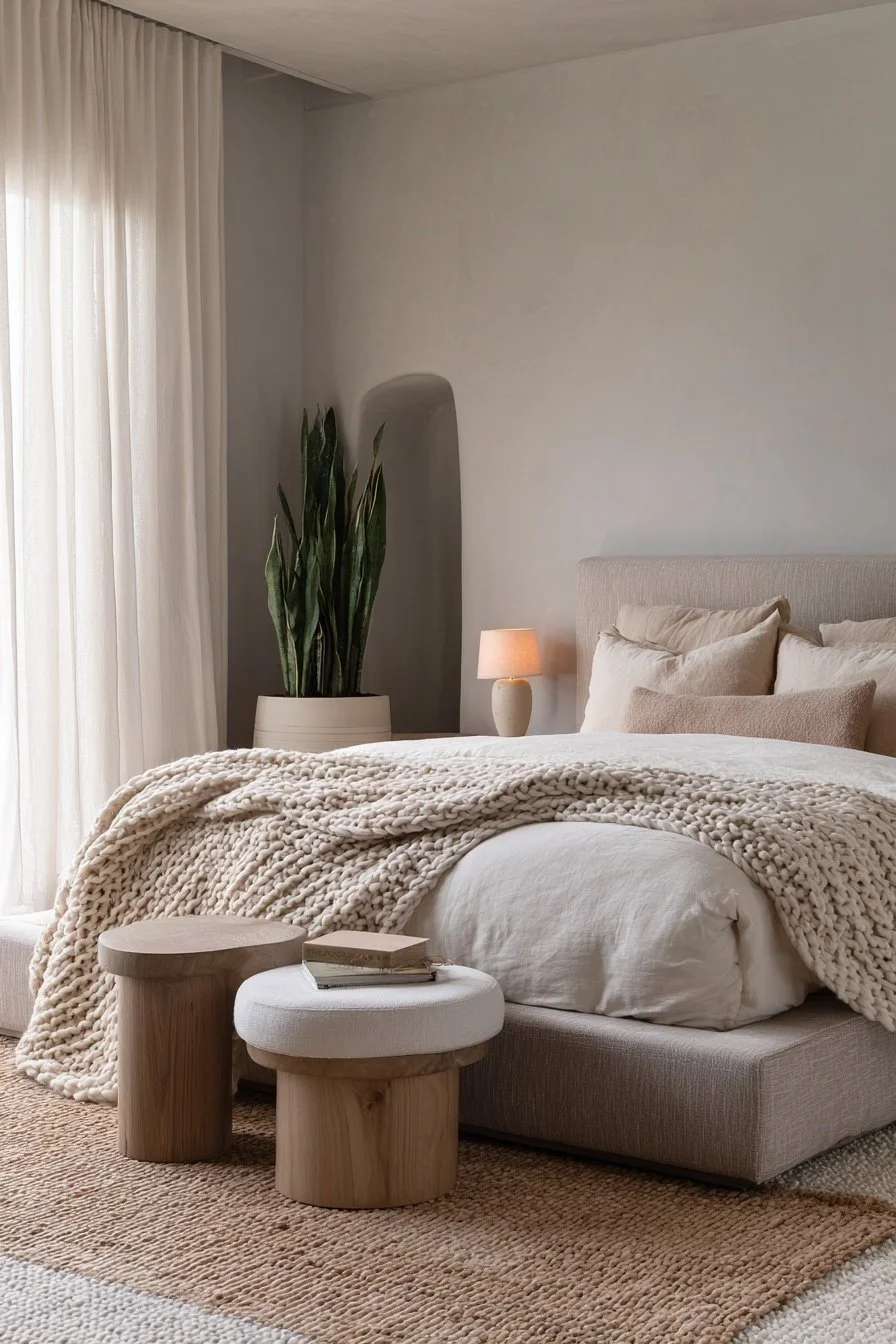
The Biological Conditions That Support Oxytocin
Oxytocin does not respond to color swatches alone. It responds to safety.
Studies show that oxytocin release increases in the presence of:
Gentle tactile stimulation
Warmth
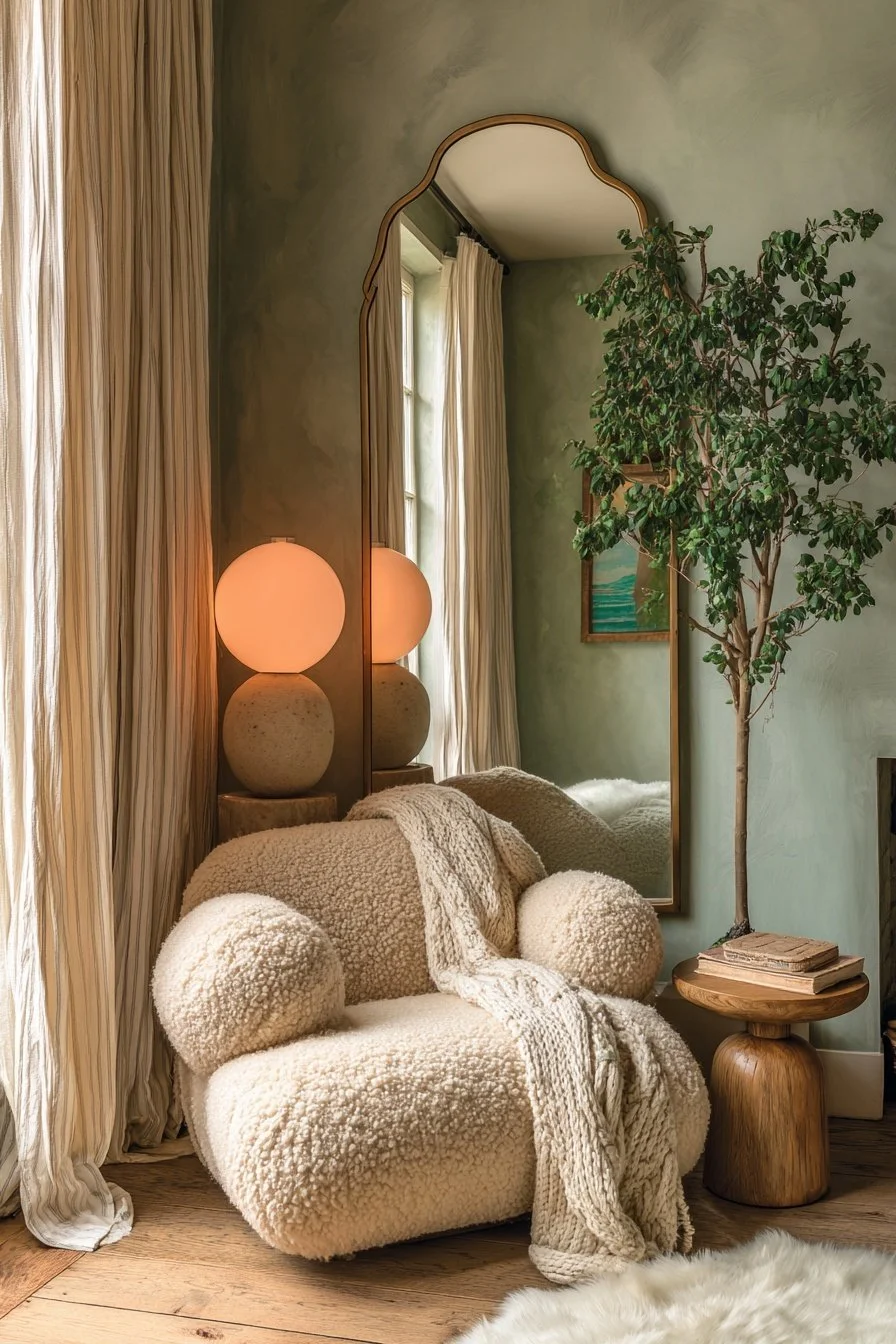
Soft lighting
Social proximity
Natural environments
Reduced environmental stress
Each of these variables can be translated into spatial decisions.
The goal is not to design rooms that look a certain way, but to design rooms that lower vigilance.
When vigilance drops, the body shifts from defensive mode to relational mode.
That is the environment in which oxytocin thrives.
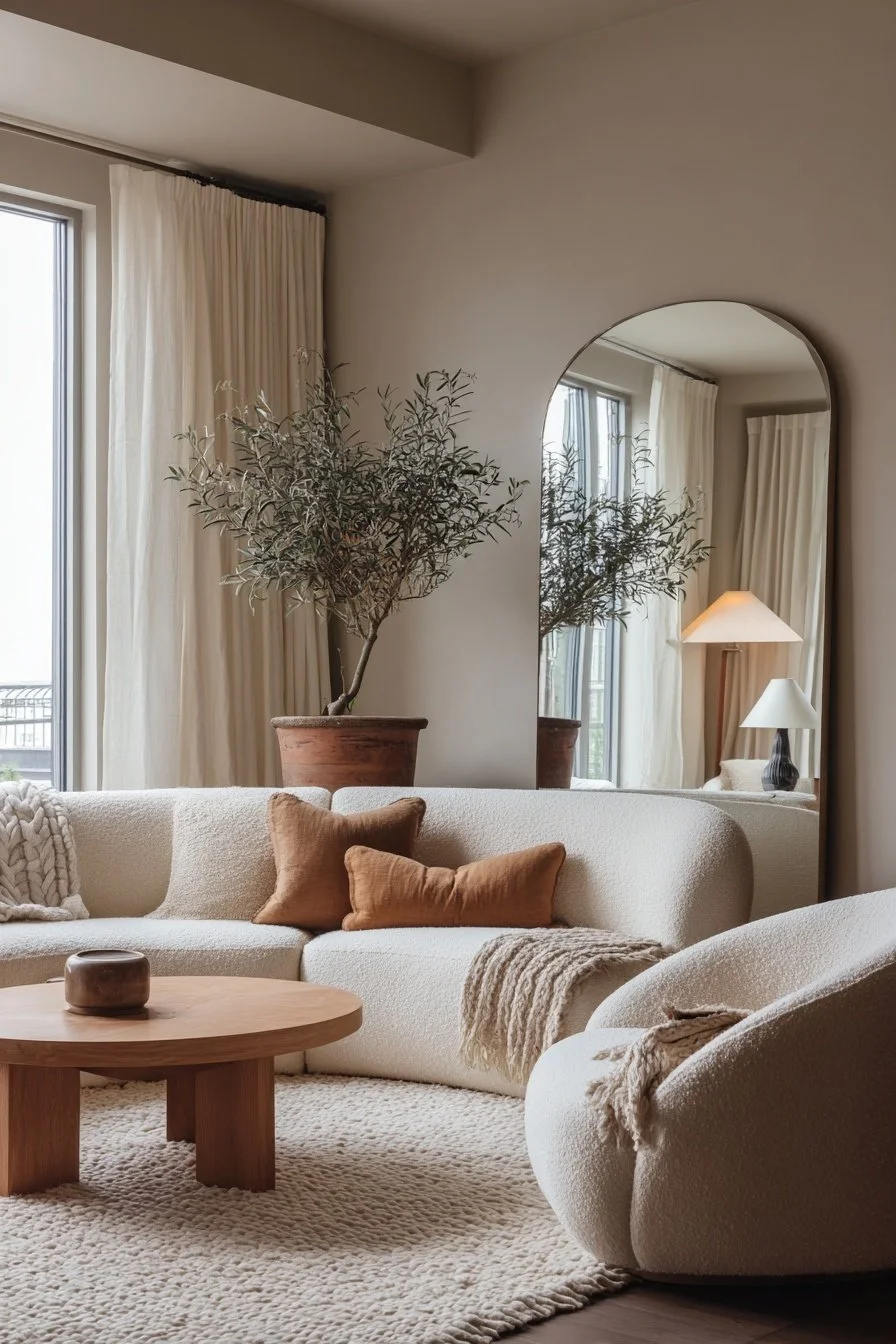
Texture as a Regulator
Research in both human and animal studies demonstrates that soft tactile stimulation can increase oxytocin activity. Light touch, warm pressure, and comforting materials activate pathways associated with bonding and parasympathetic regulation.
In interiors, this translates to contact surfaces:
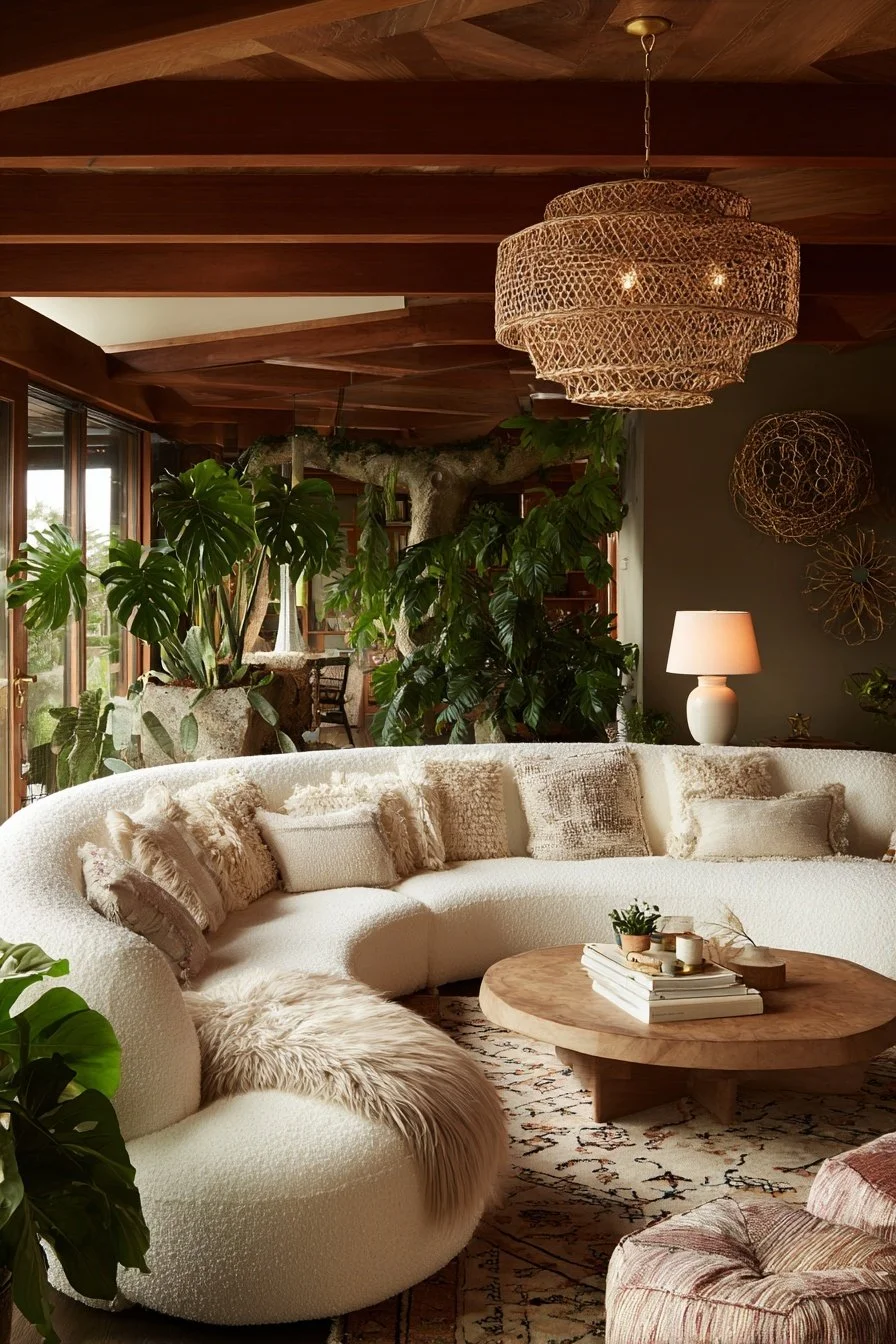
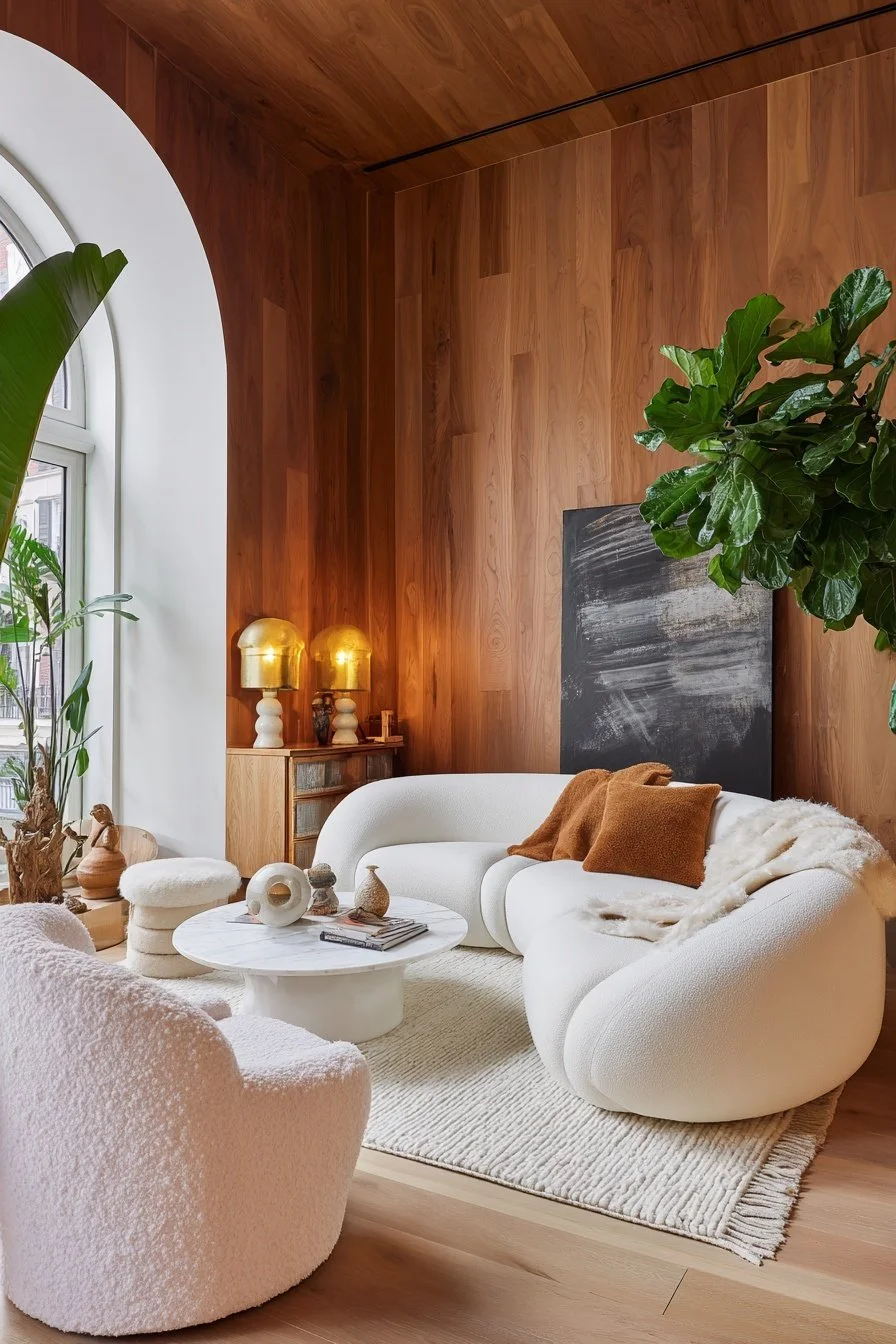
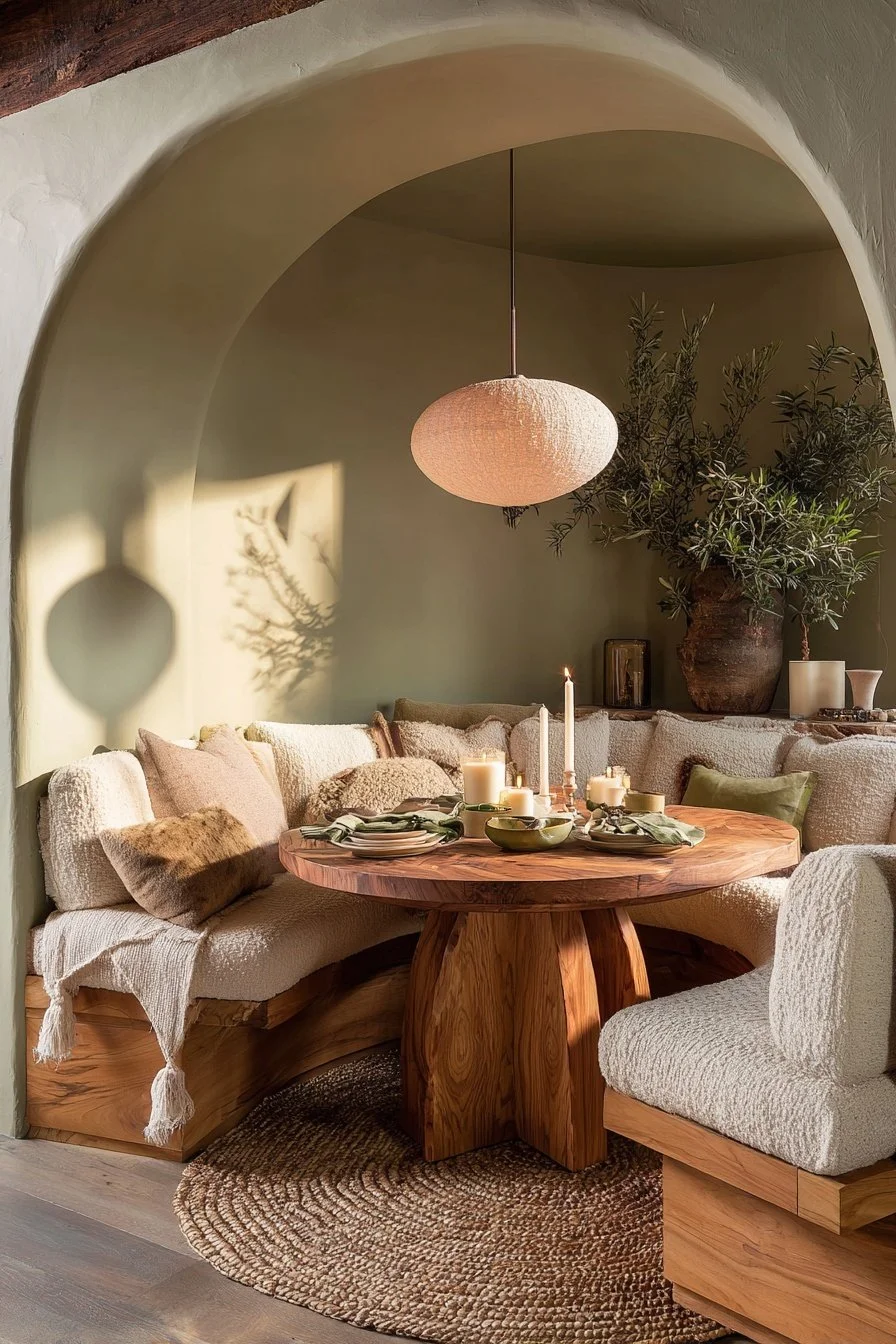
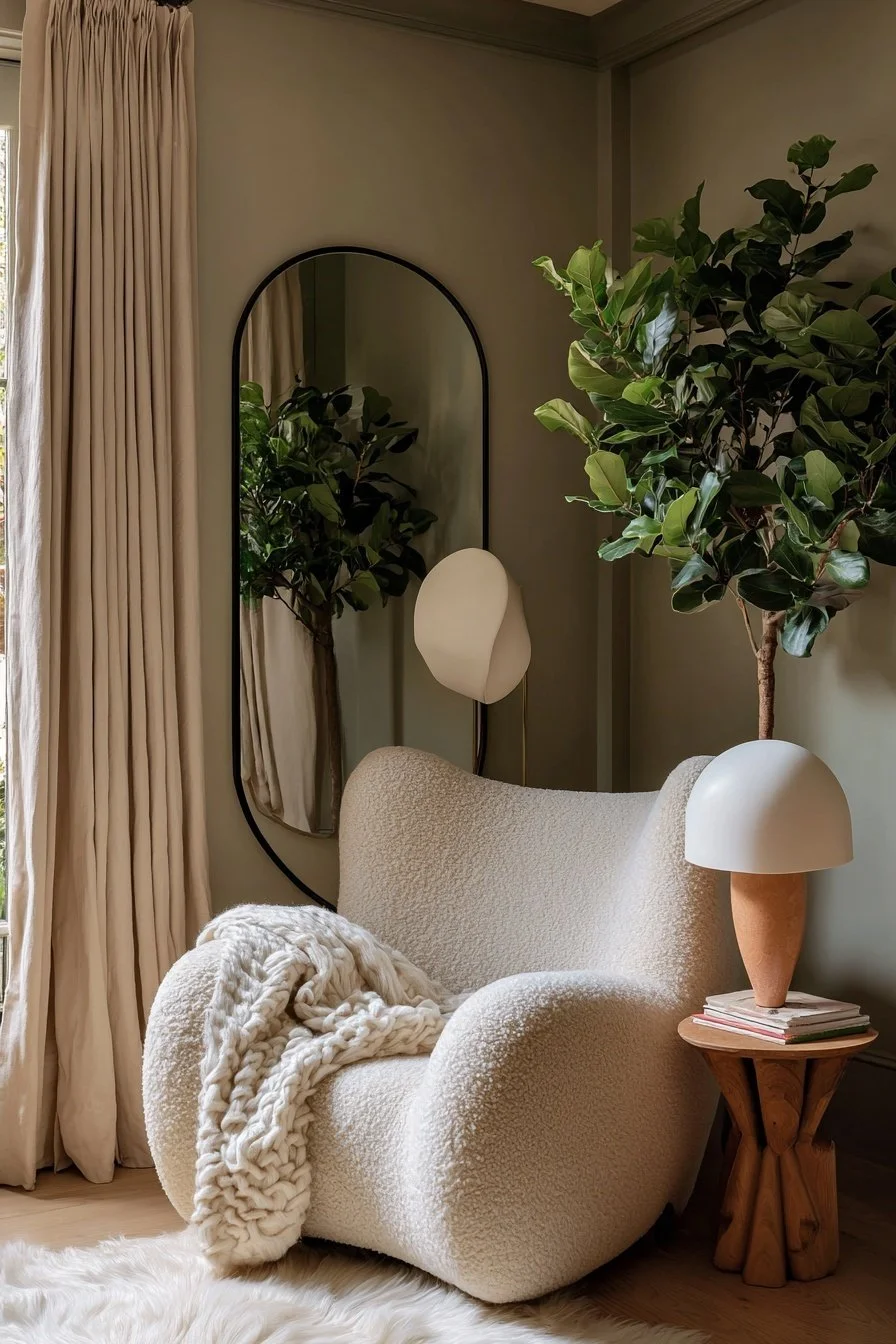
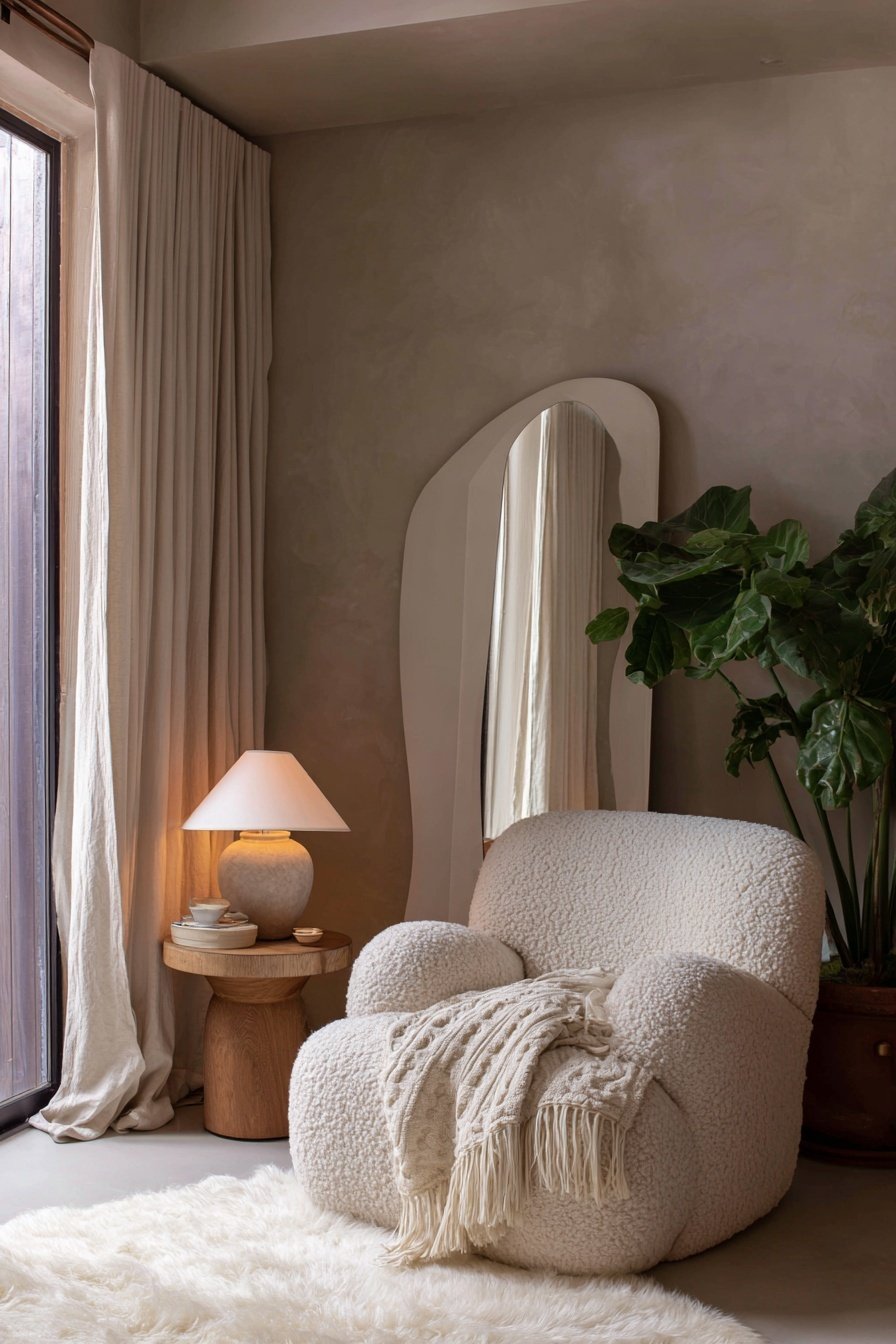
Upholstered seating instead of rigid frames
Wool, cotton, and linen over high-gloss synthetics
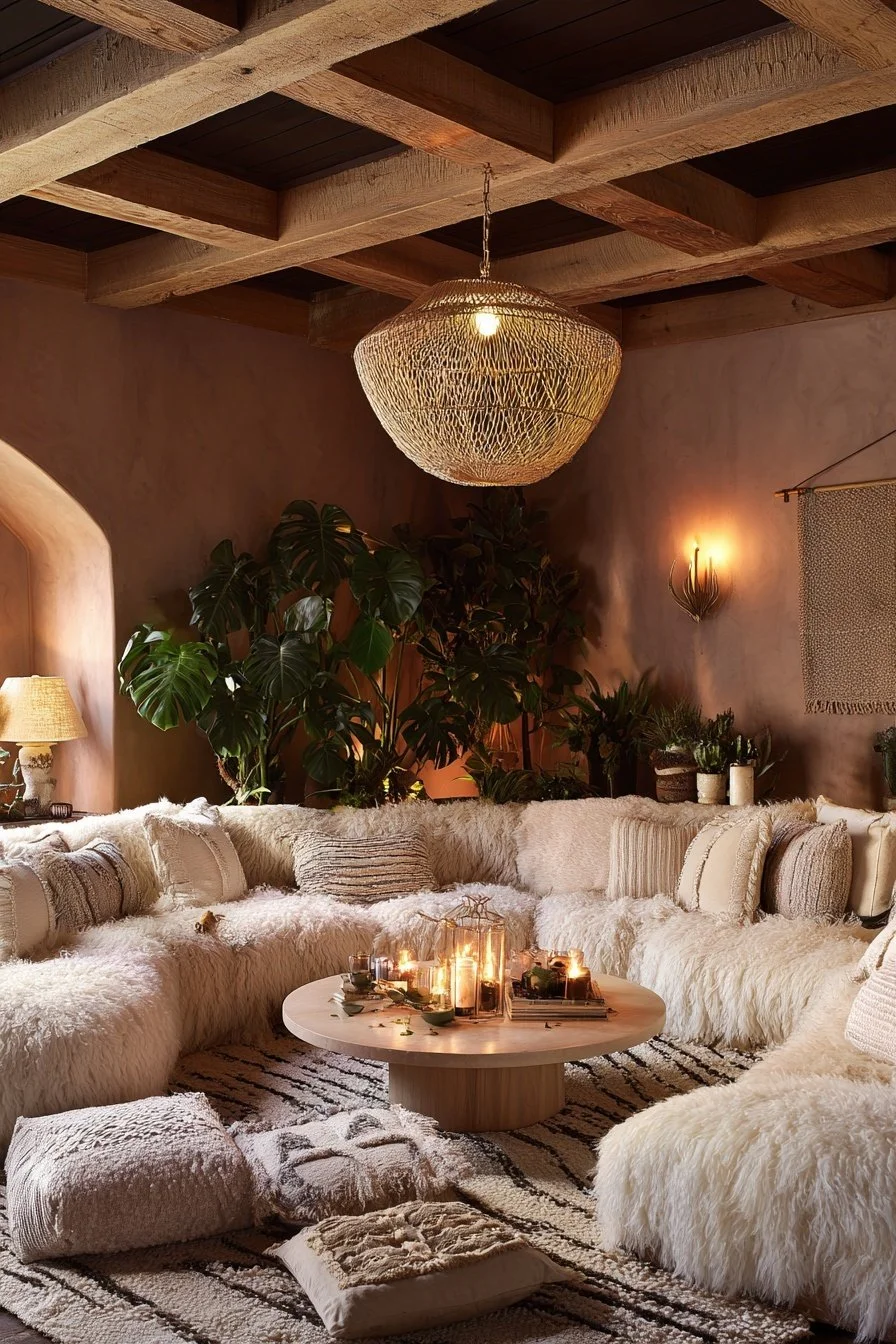
Sheepskin or plush rugs underfoot
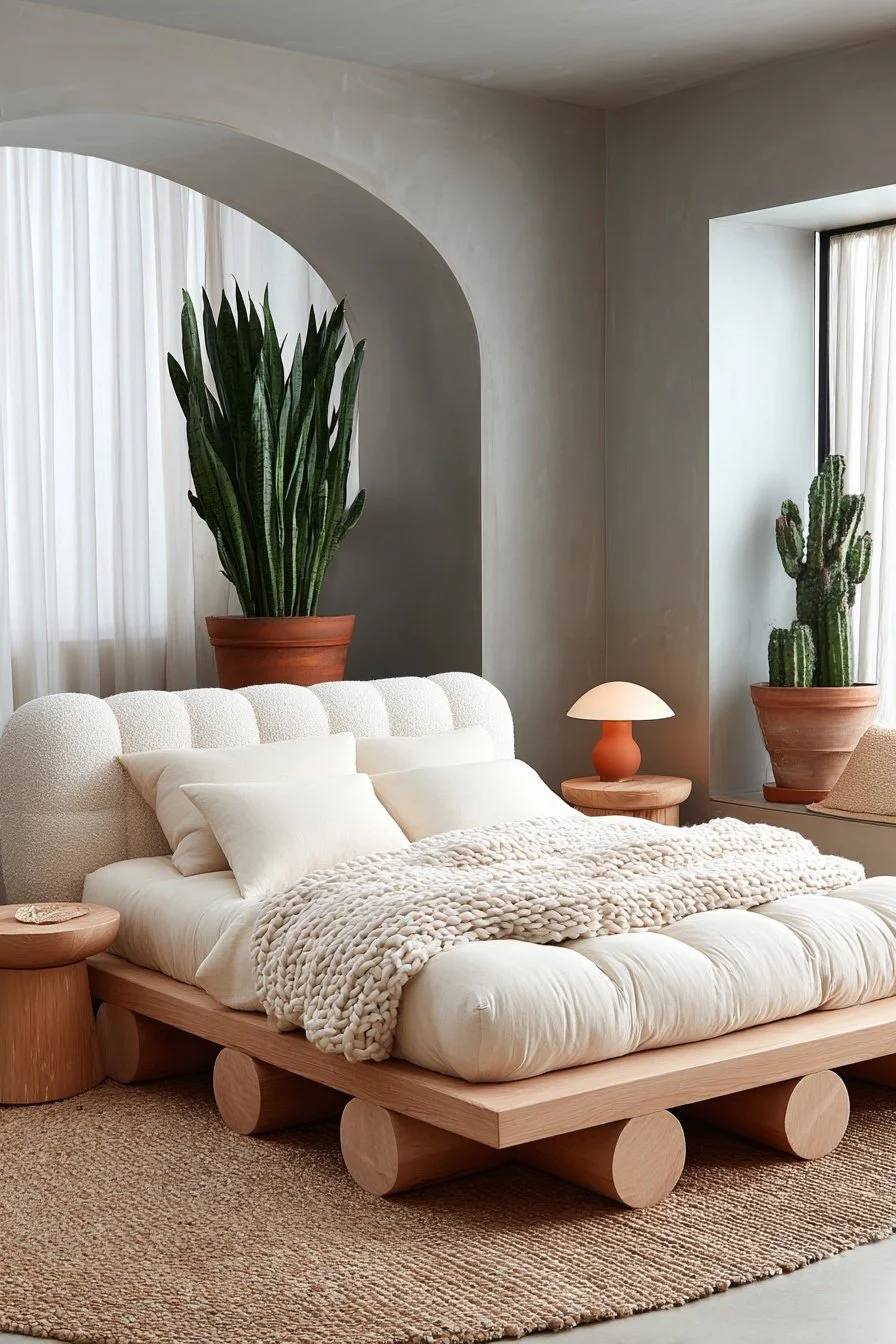
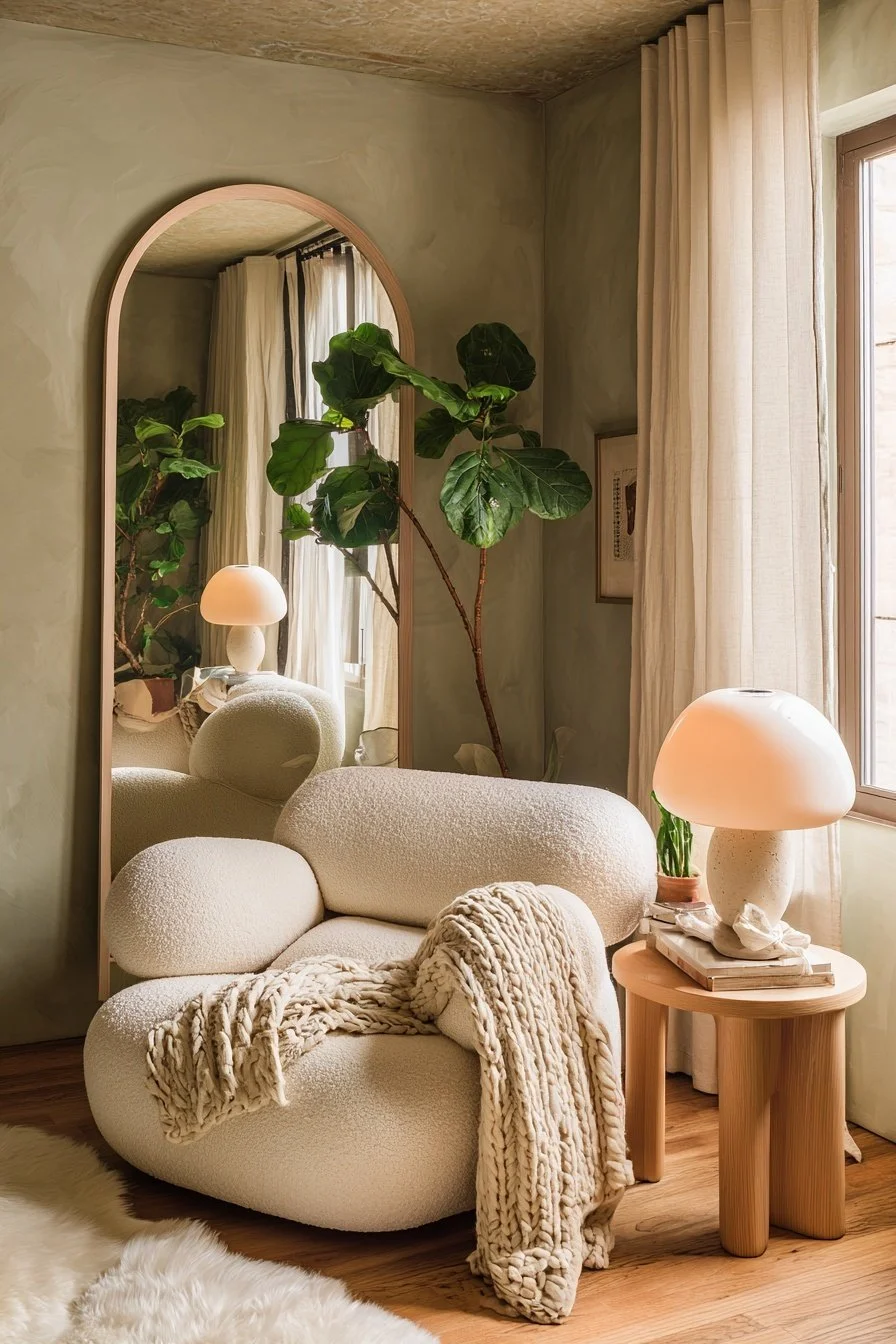
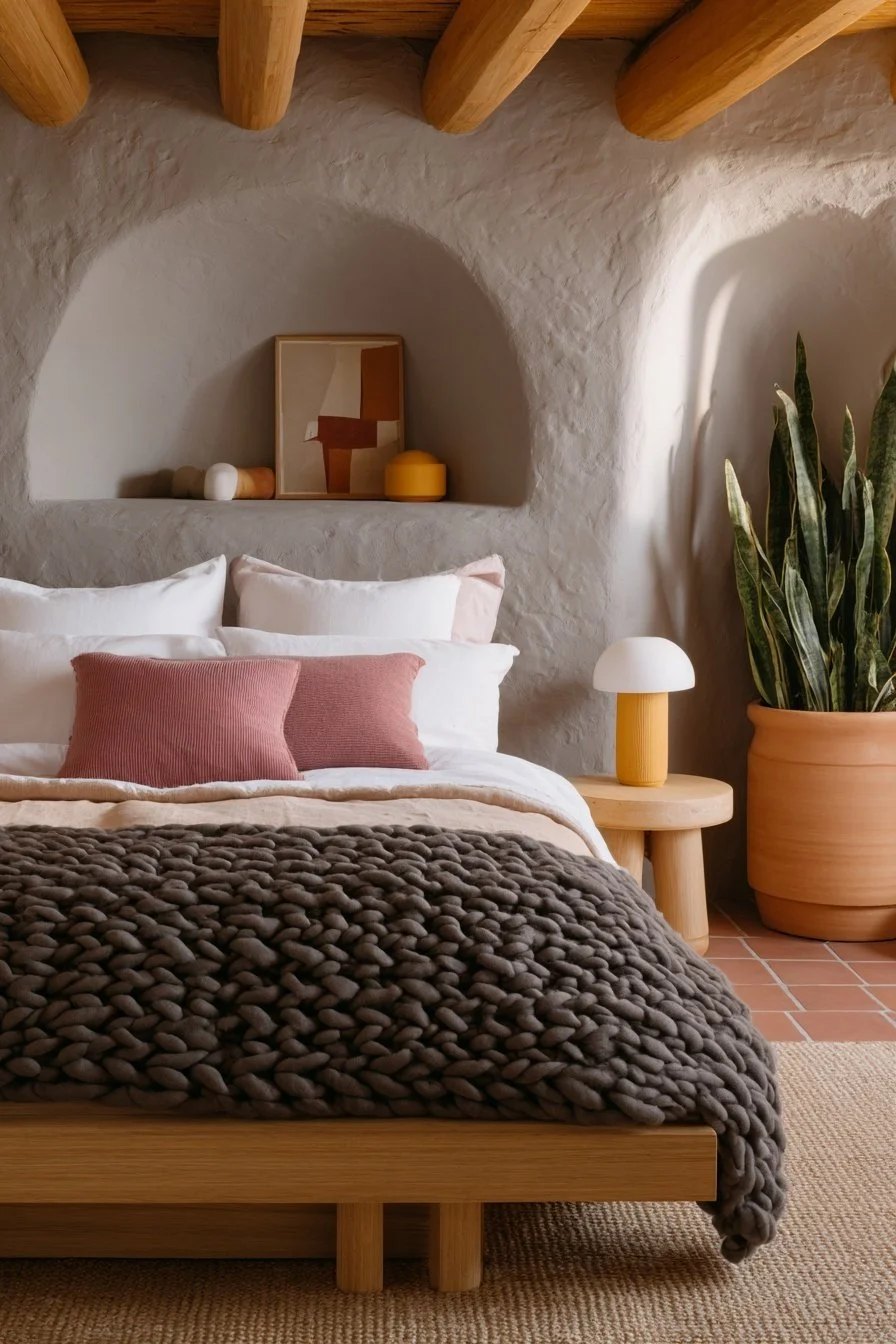
Cable knit or textured throws where skin makes contact
Texture has acoustic and visual effects as well. It absorbs sound and diffuses light, both of which reduce environmental sharpness. Spaces that feel acoustically softened tend to feel emotionally softened.
Minimalism without texture can feel sterile. Minimalism with texture feels protective.
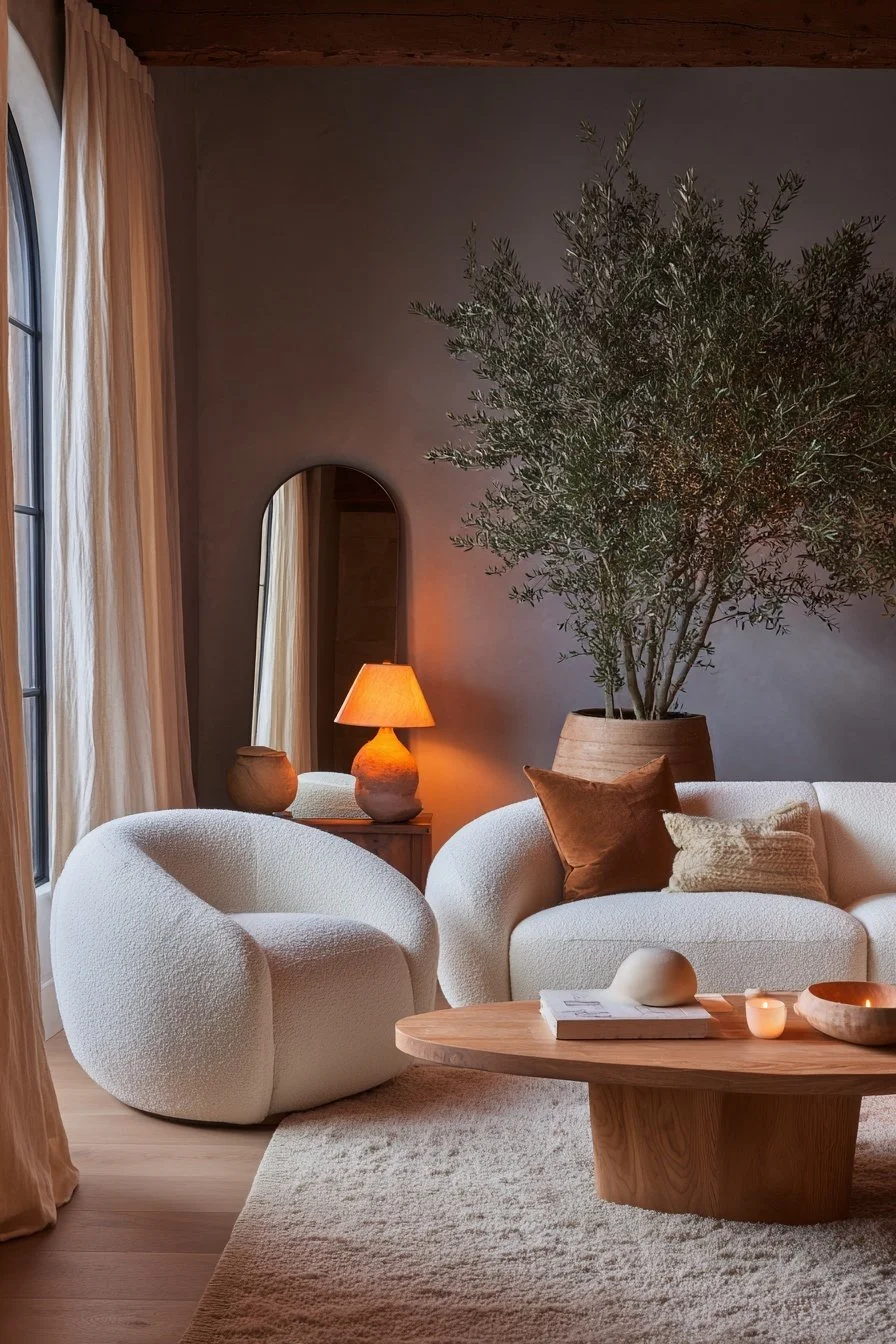
Light and Perceived Safety
Lighting has measurable influence on stress physiology. Harsh, overhead illumination increases alertness and visual exposure. Warm, lower-level lighting supports relaxation and social intimacy.
In healthcare and maternal studies, dim, warm light is associated with improved oxytocin-related outcomes. While residential spaces are not clinical environments, the principle remains relevant: when light feels controlled and gentle, the nervous system reads the room as safer.
Layered lighting — lamps at eye level, warm bulbs around 2700K, and minimized glare — shifts a space from performance-oriented to restorative.
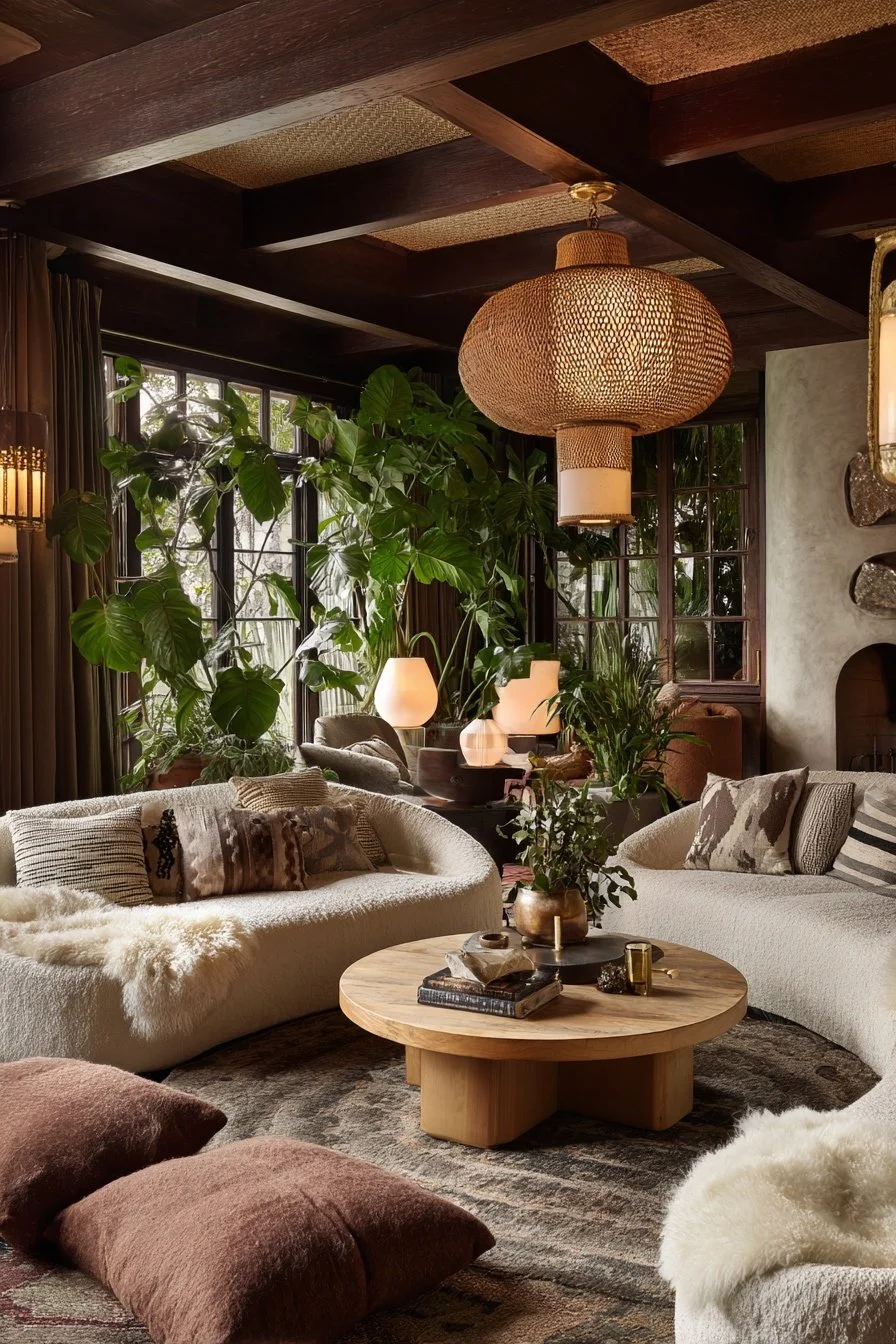
Natural Materials and Stress Reduction
Exposure to natural elements has been repeatedly linked to reduced cortisol levels. Since stress hormones inhibit oxytocin release, lowering stress indirectly supports oxytocin presence.
Biophilic elements such as:
Living plants
Wood grain
Stone
Woven fibers
Natural daylight
contribute to physiological downregulation.
The inclusion of plants, in particular, has been associated with reduced blood pressure and reported stress reduction. Even passive exposure to greenery can improve mood and perceived comfort.
Nature communicates non-threat.
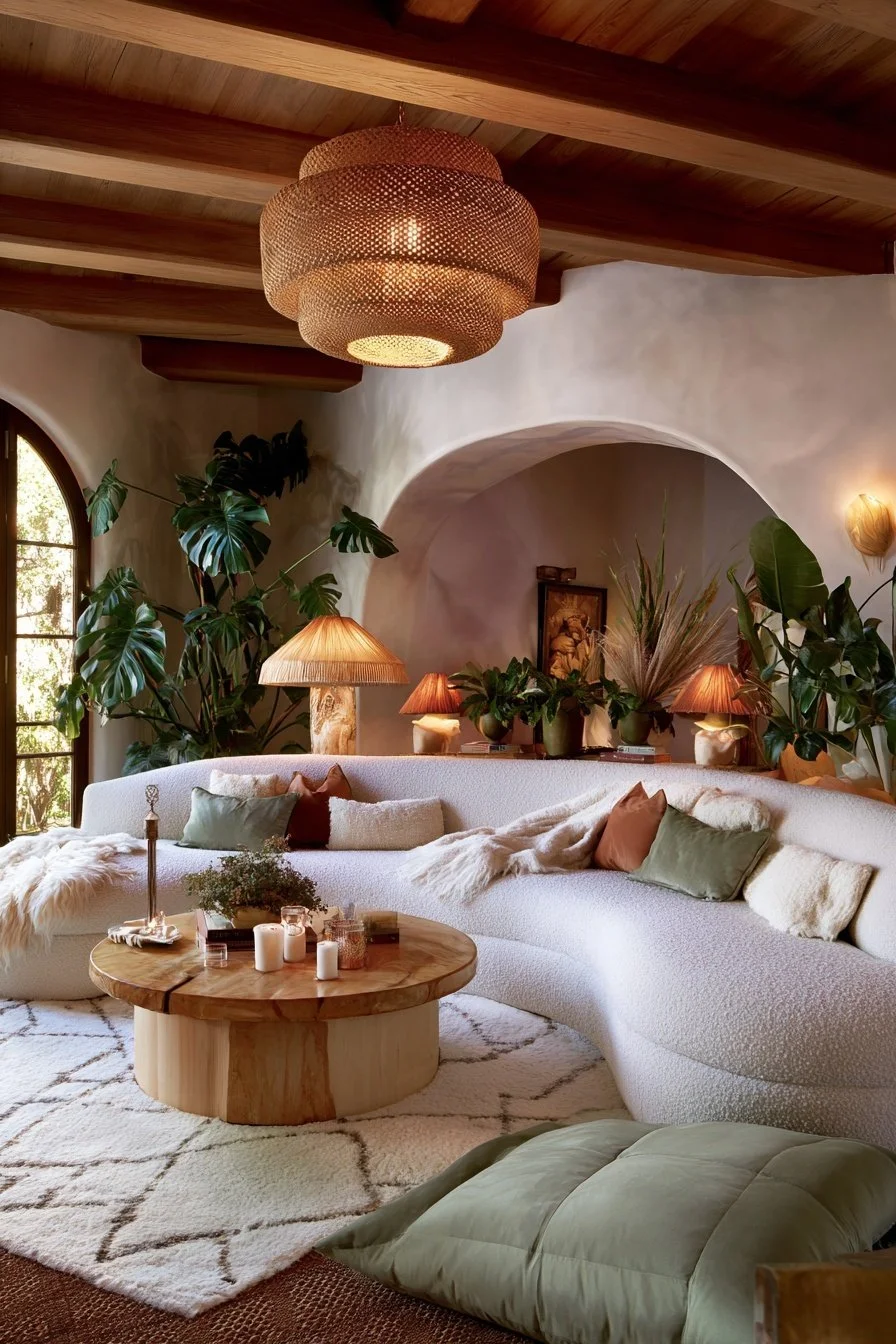
Shape and Spatial Cues
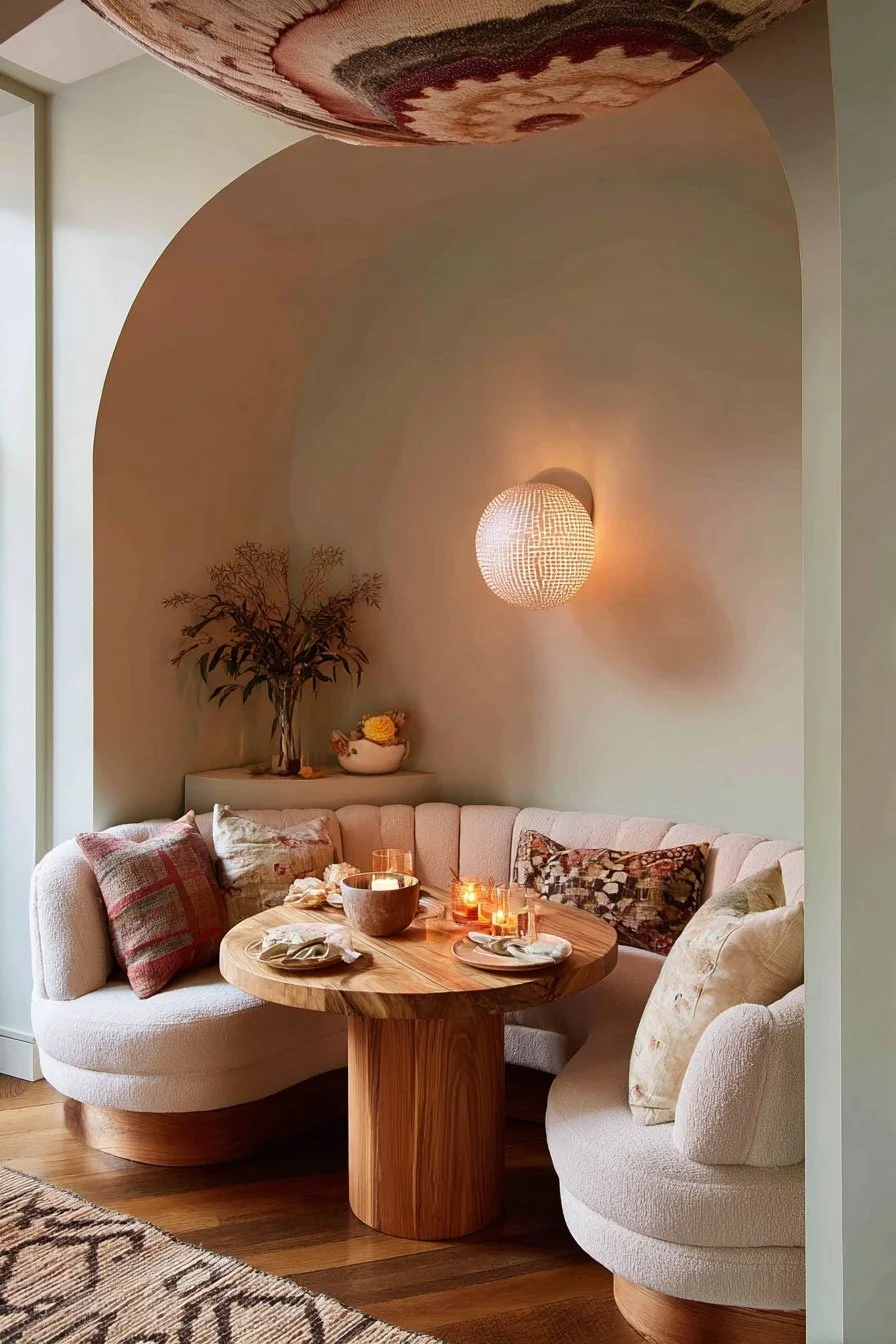
Emerging neuroscience research suggests that curved forms are processed more positively by the brain than sharp angles. Angular environments can subtly increase vigilance; rounded forms tend to reduce it.
In practice, incorporating:
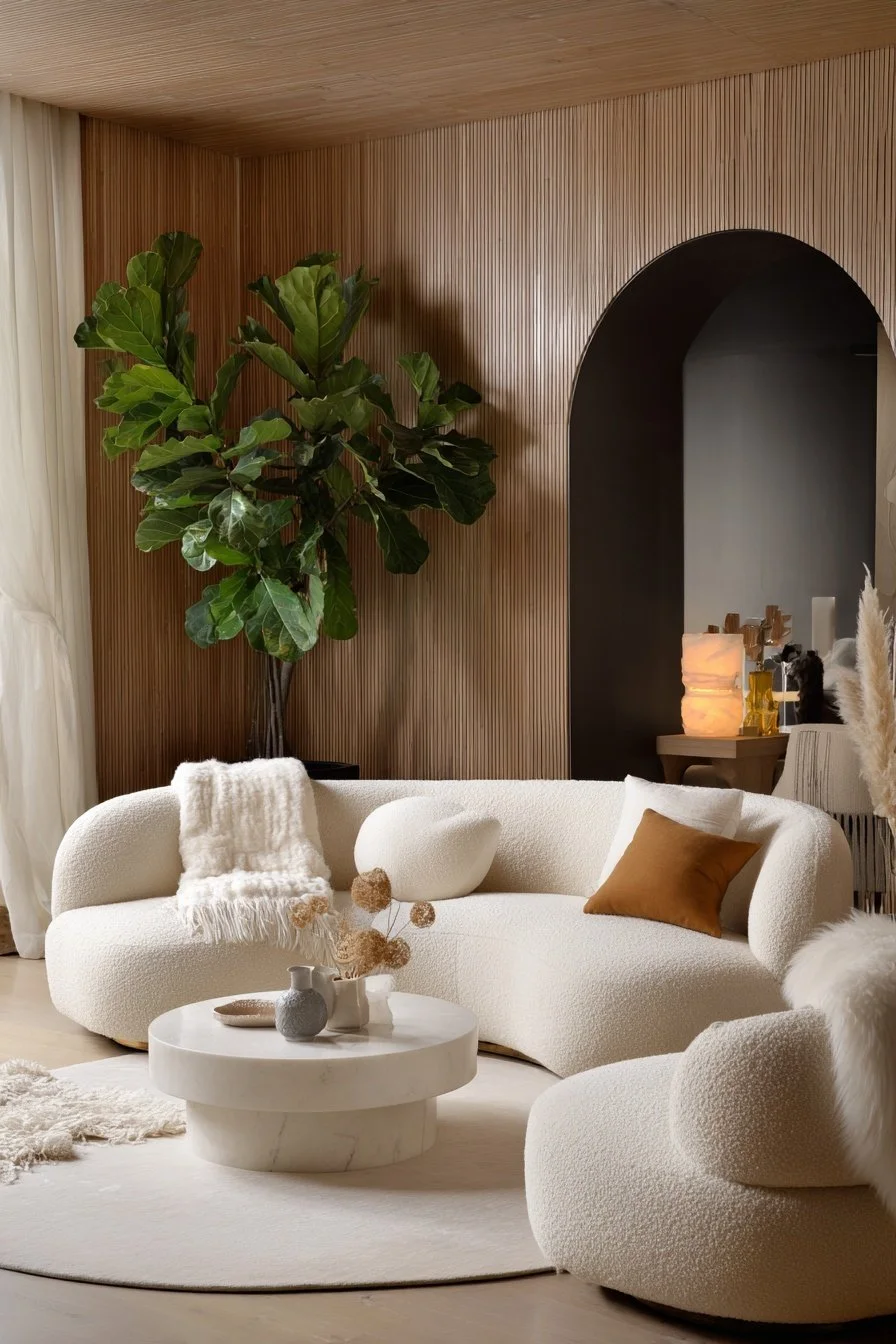
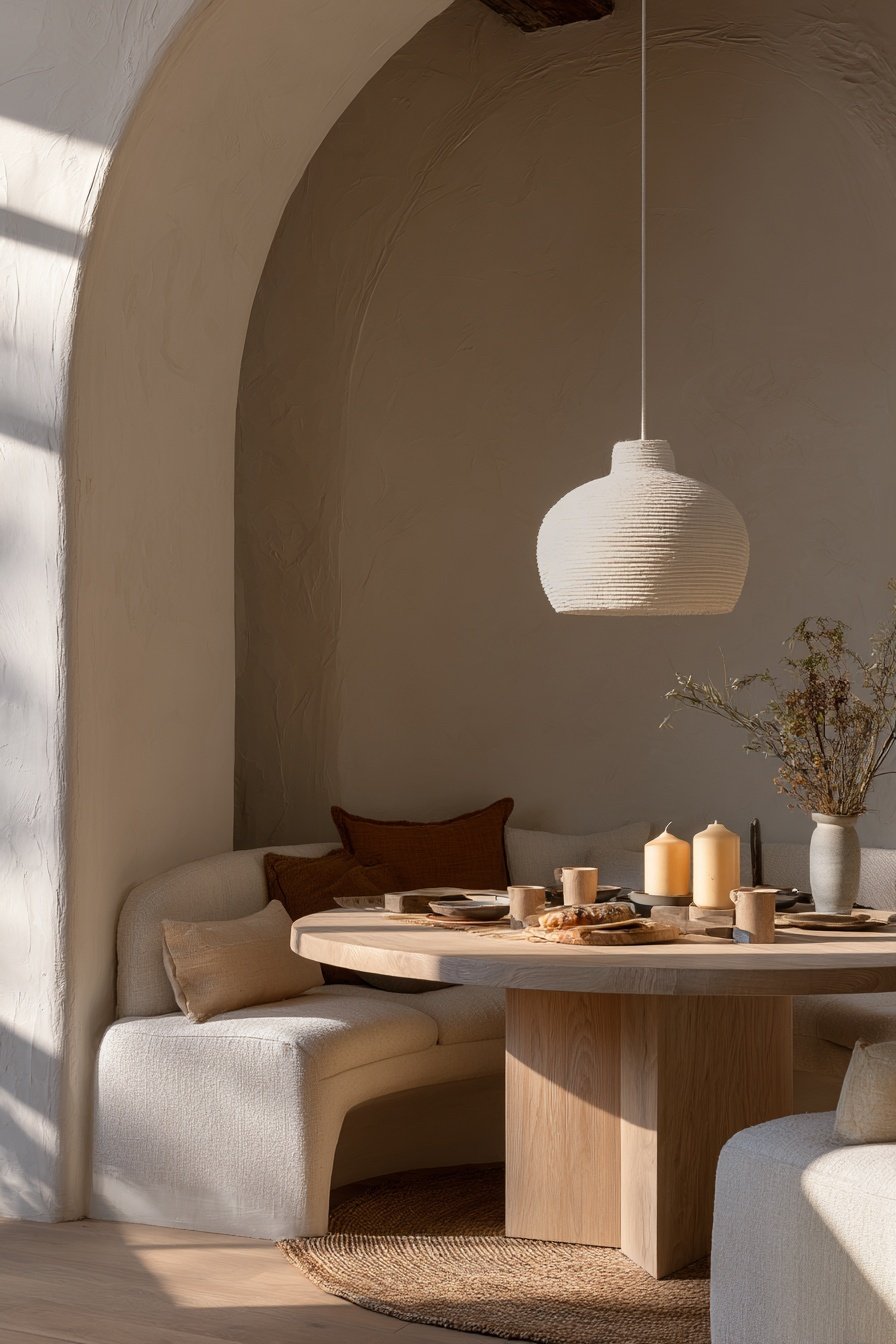
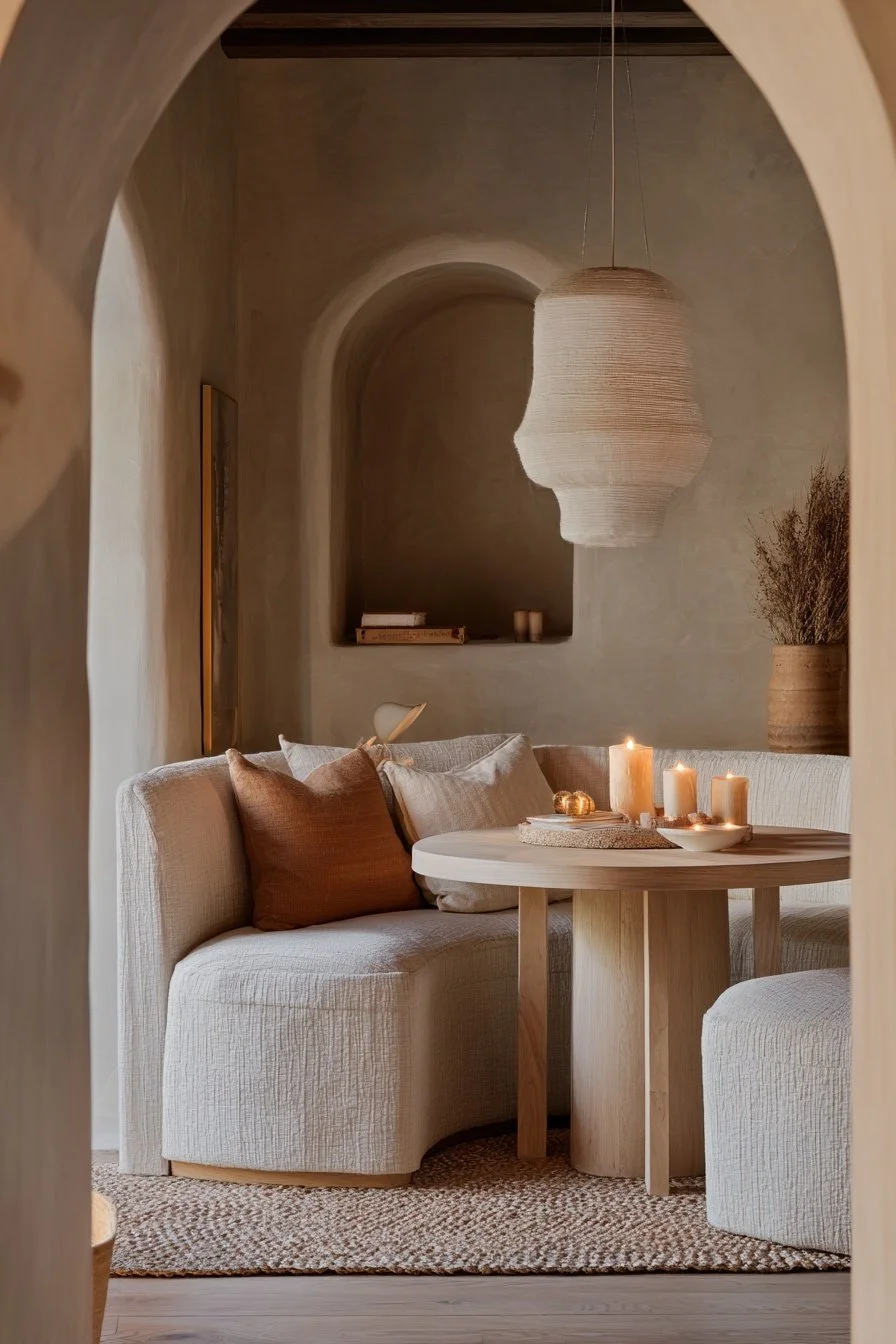
Circular tables
Curved sofas
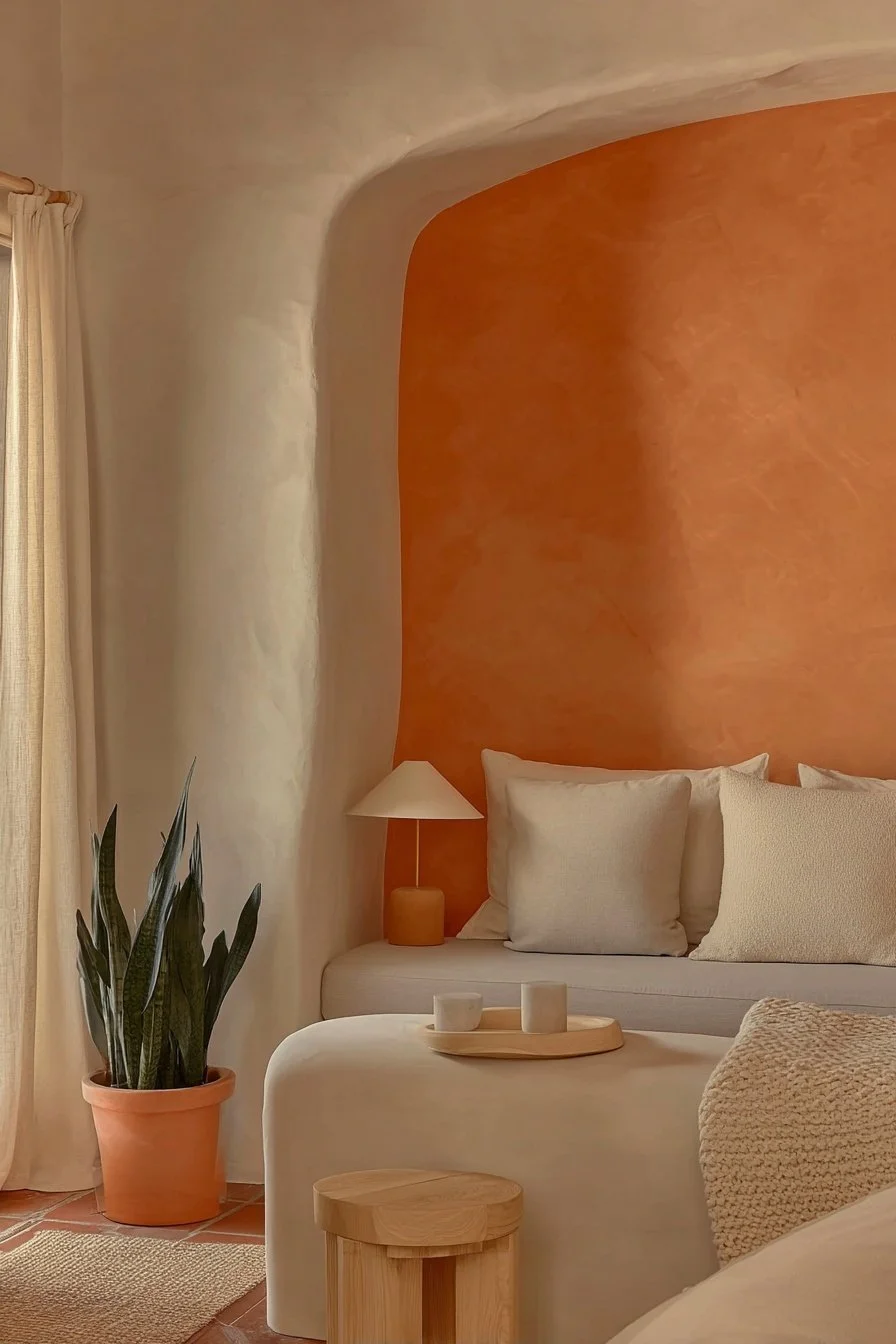
Arched architectural details
Organic silhouettes
can soften a space without changing its aesthetic identity.
These adjustments are not decorative indulgences — they are neurological cues.
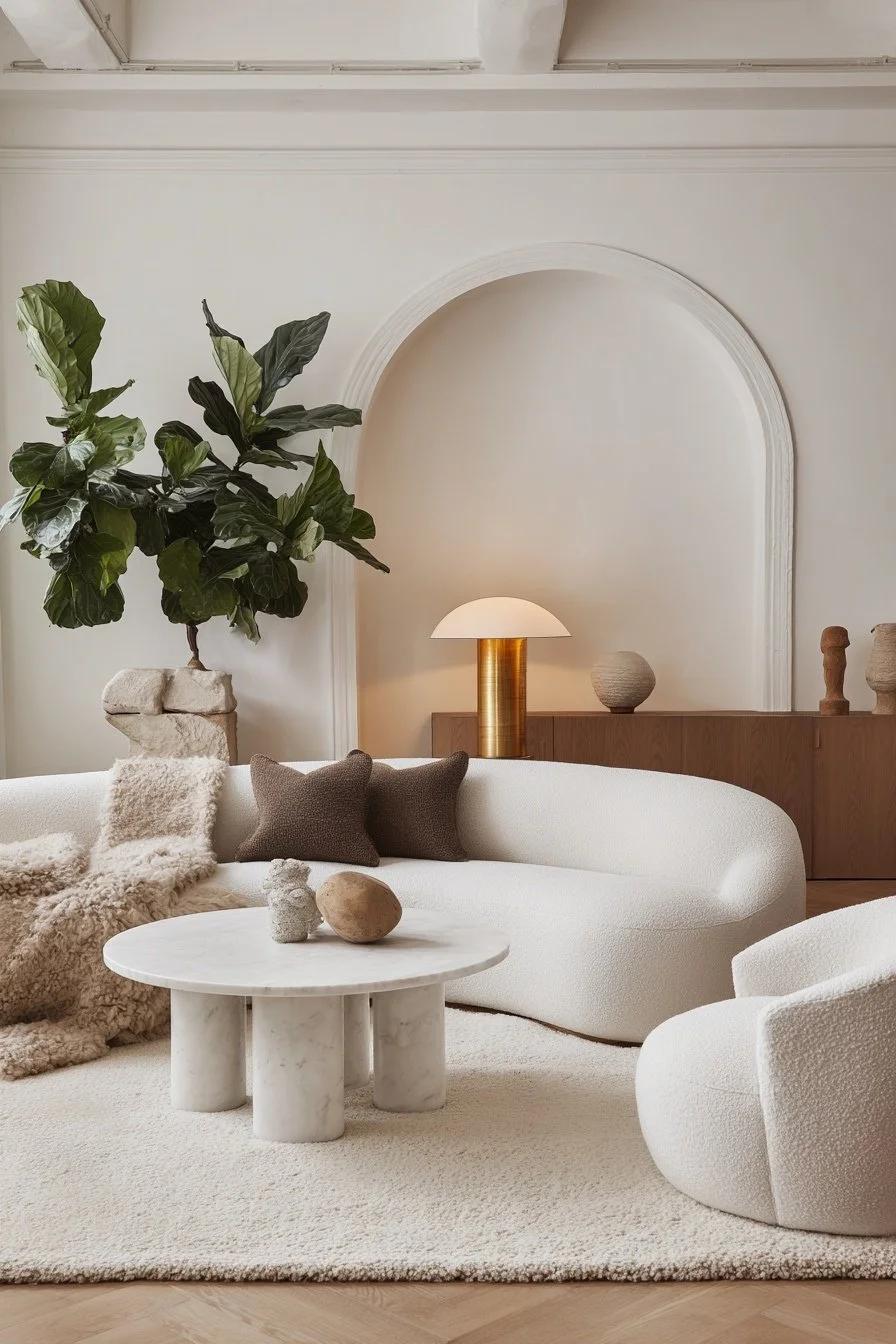
Proximity and Layout
Oxytocin is fundamentally relational. Spatial arrangements that encourage closeness and conversation increase opportunities for bonding.
Seating positioned within conversational distance, subtle angling toward one another, and furniture that avoids isolating individuals against walls all contribute to relational ease.
A room does not need to be small to feel intimate. It needs to be composed intentionally.
Does Oxytocin Design Have a Look?
It does not require a specific style.
It requires a specific set of conditions.
A minimalist interior can support oxytocin if it incorporates warmth, texture, and soft lighting.
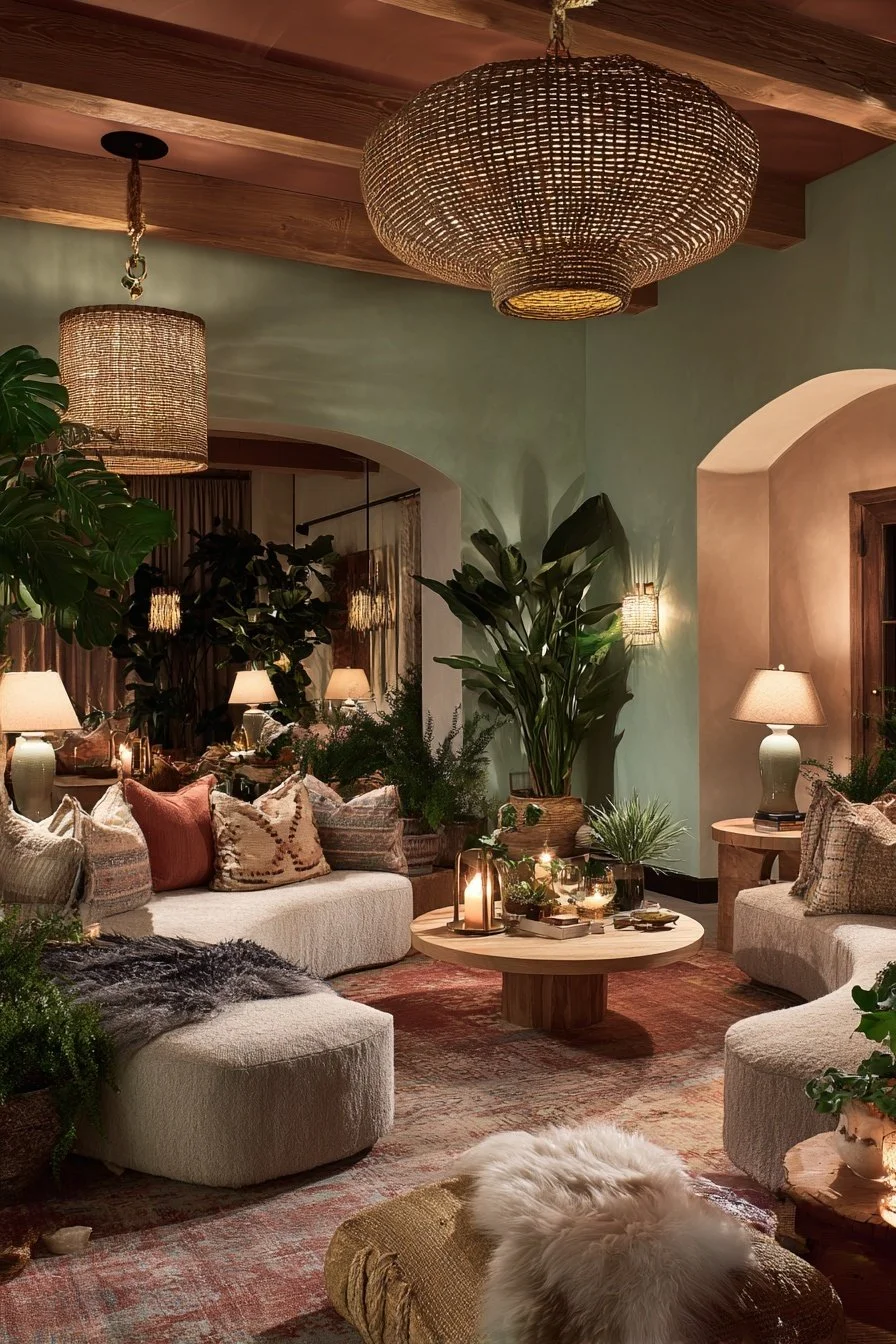
A layered bohemian interior can support oxytocin if it avoids overstimulation and maintains coherence.
The visual language may vary. The nervous system principles do not.
Crystal Bright