How to Read Your Home Like a Designer (And Instantly See What’s Missing)
Most people walk through their homes on autopilot.
They see:
A couch.
A table.
A wall.
A lamp.
Designers see something different.
They see:
Energy.
Flow.
Tension.
Comfort.
Disruption.
Support.
They’re reading the room emotionally and physically at the same time.
And once you learn how to do that, you stop guessing.
Your Home Is Communicating With You (All the Time)
Every space sends signals.
To your eyes.
To your body.
To your nervous system.
You just haven’t been taught the language.
Here’s how to start reading it.
Step One: Notice How Your Body Feels in Each Room
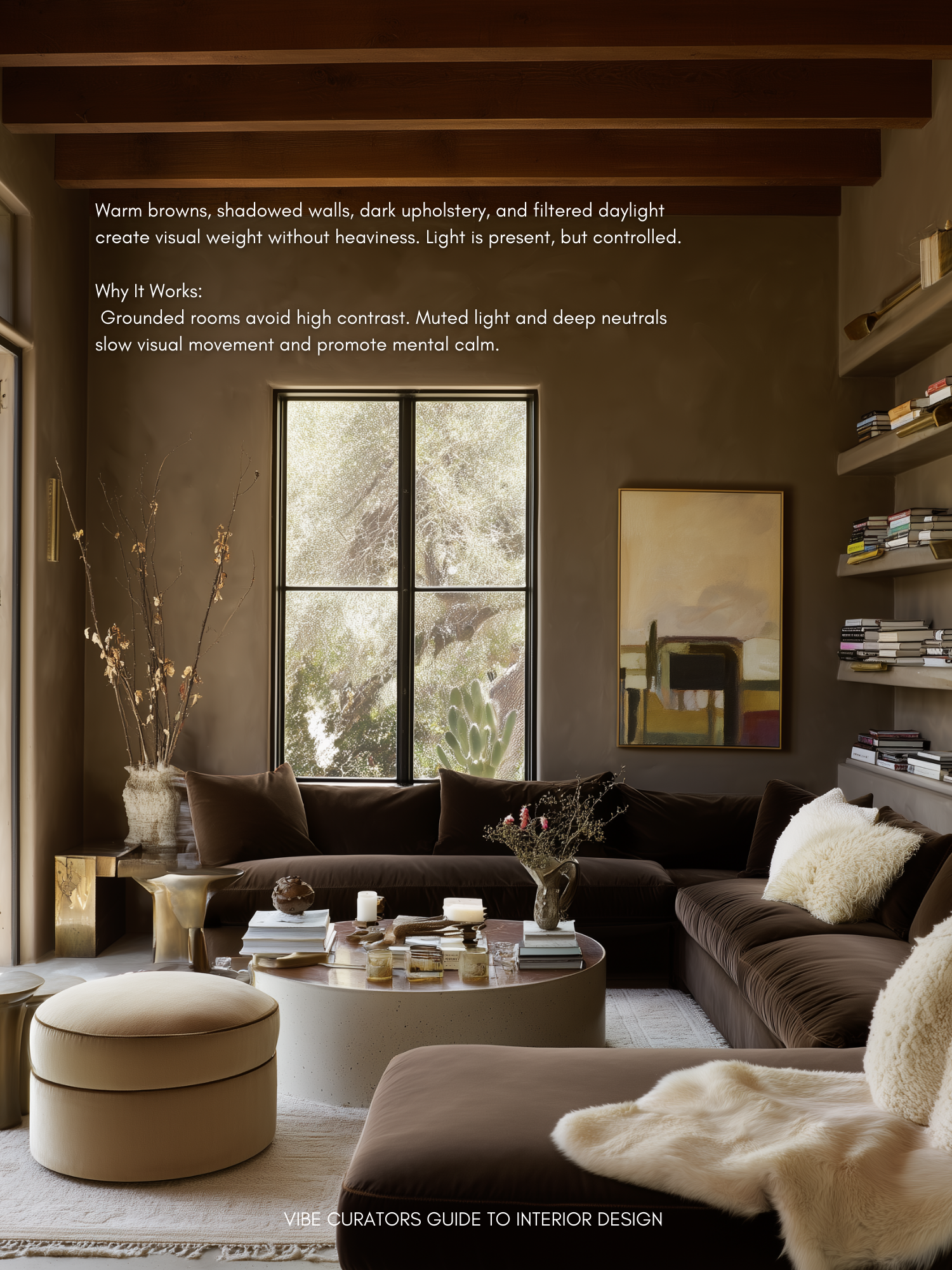
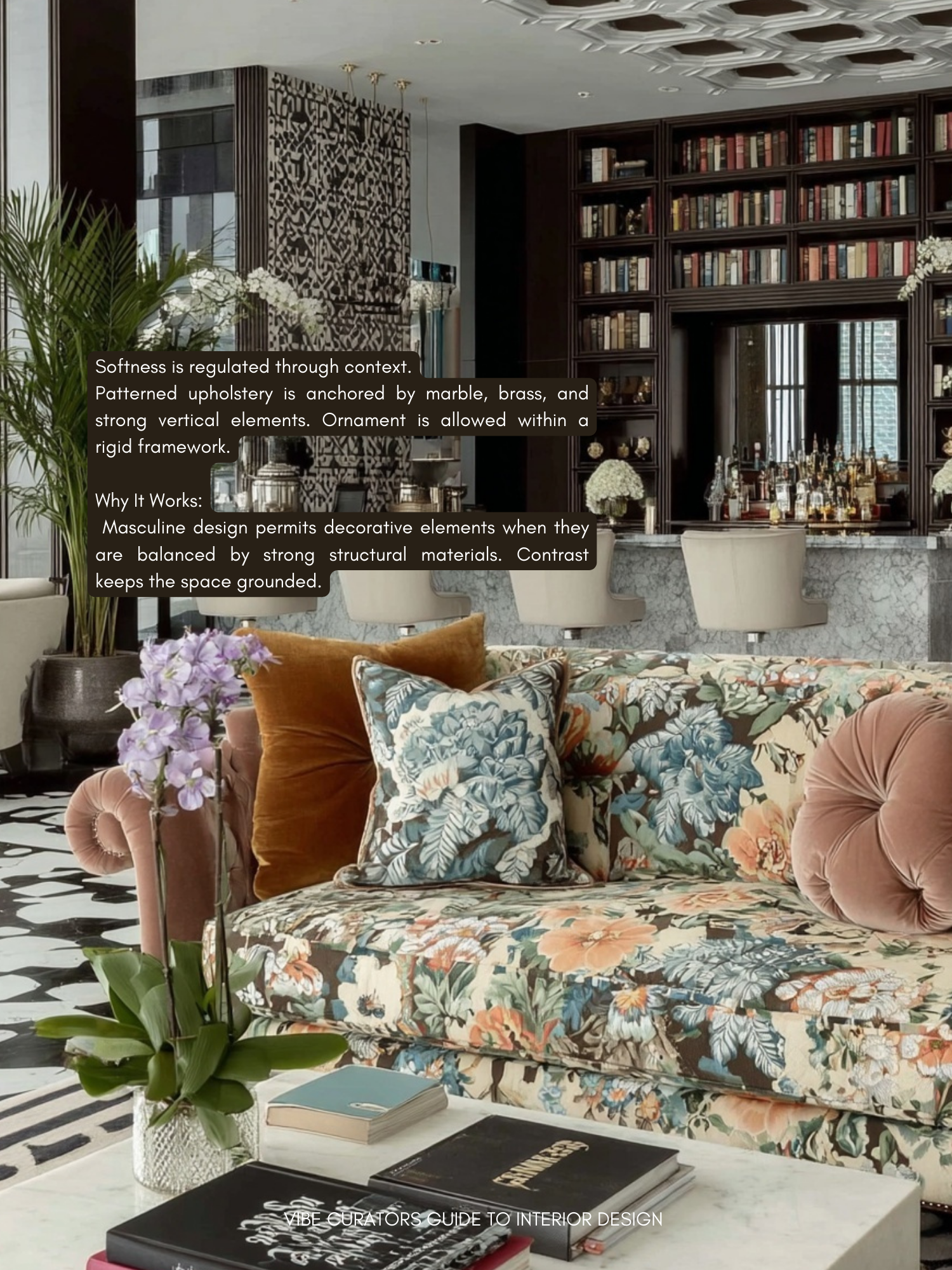
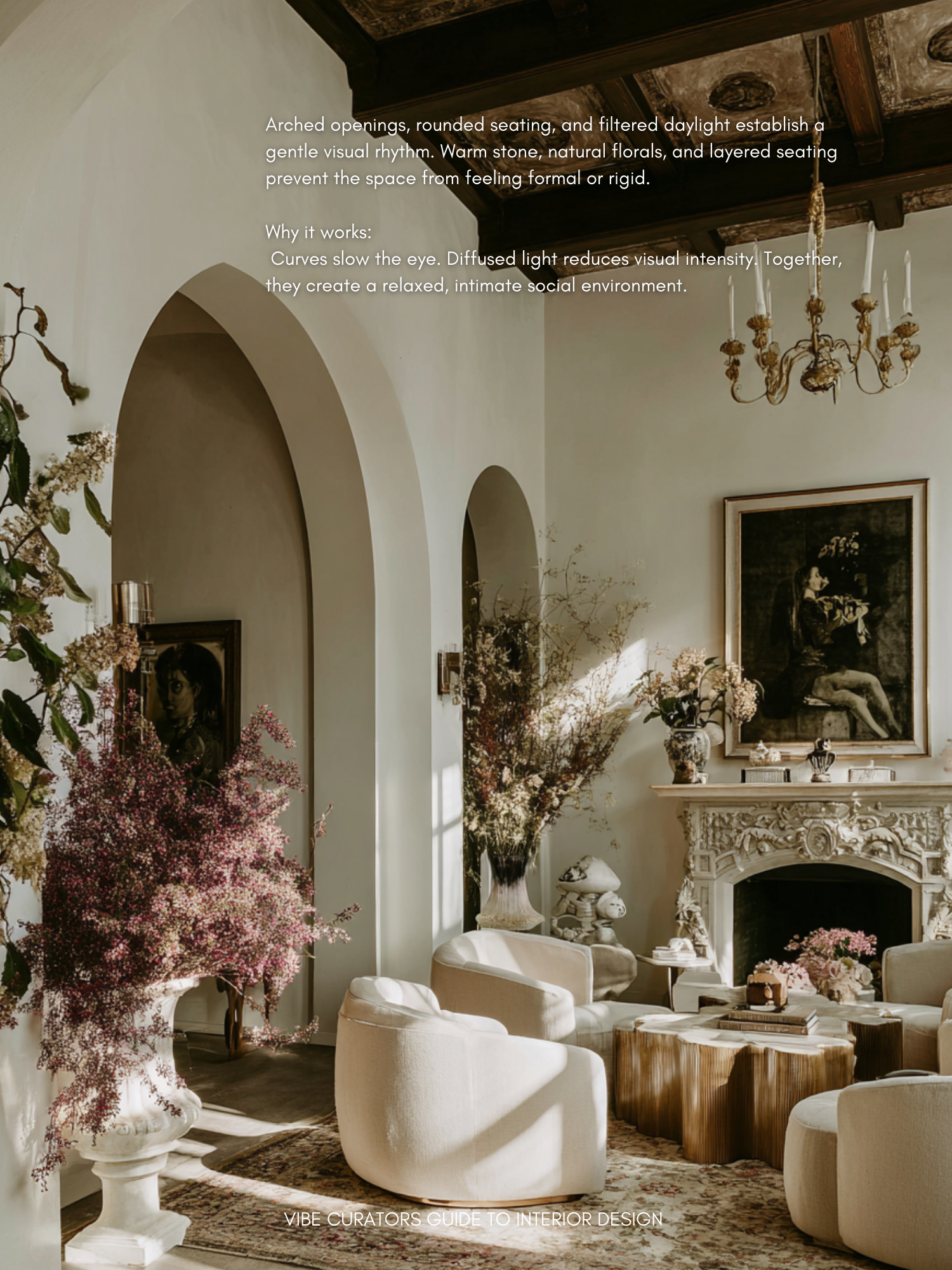
Before you analyze anything visually, do this:
Walk into each room and ask:
Do I soften here or tense up?
Do I linger or rush through?
Do I sit comfortably or perch?
Do I exhale or stay alert?
Your body always knows first.
Design problems show up physically before they show up visually.
Step Two: Identify the Emotional Role of Each Space
Every room needs a job.
Not functionally.
Emotionally.
Ask:
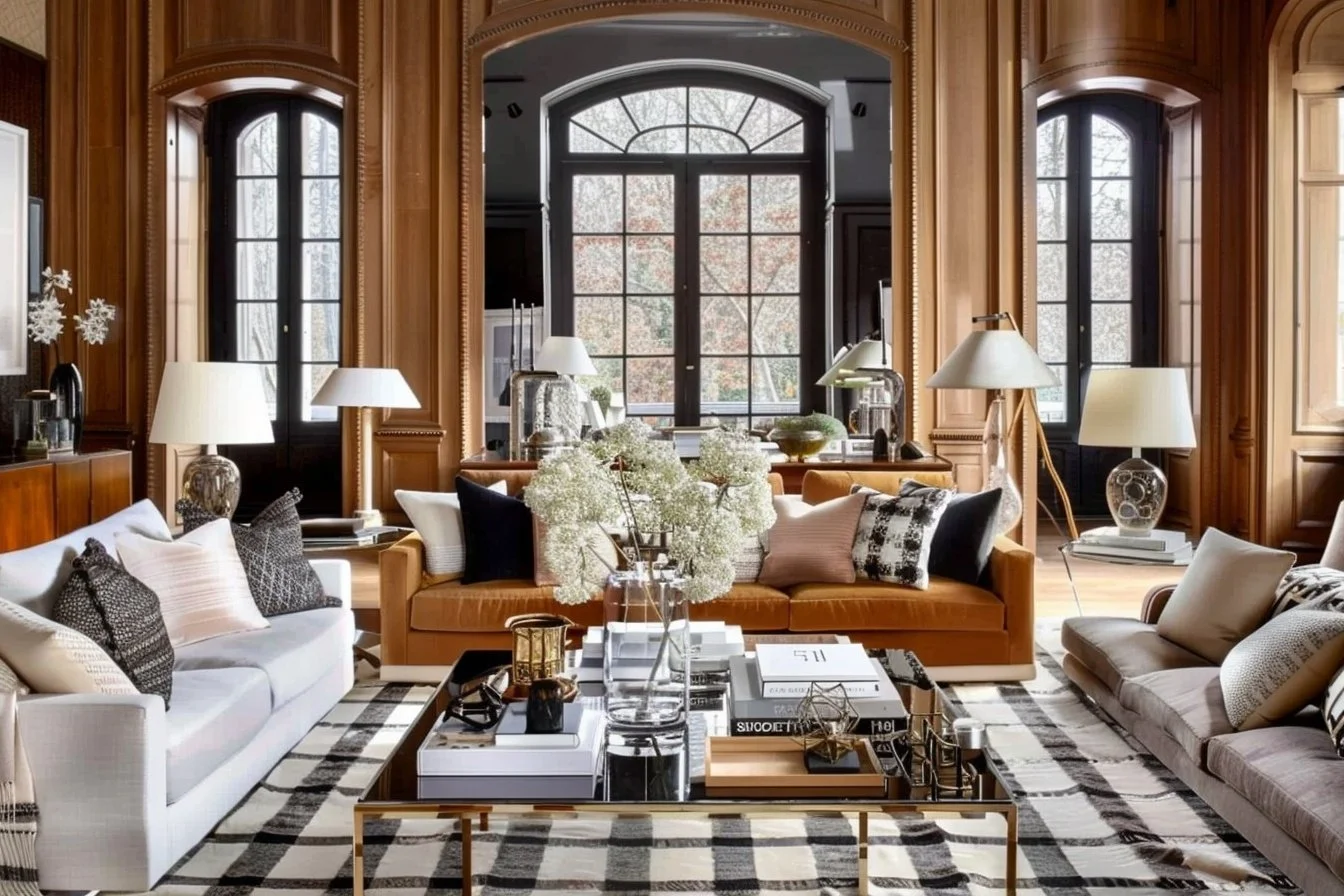
Living Room
Is this meant for:
Connection?
Rest?
Entertaining?
Grounding?
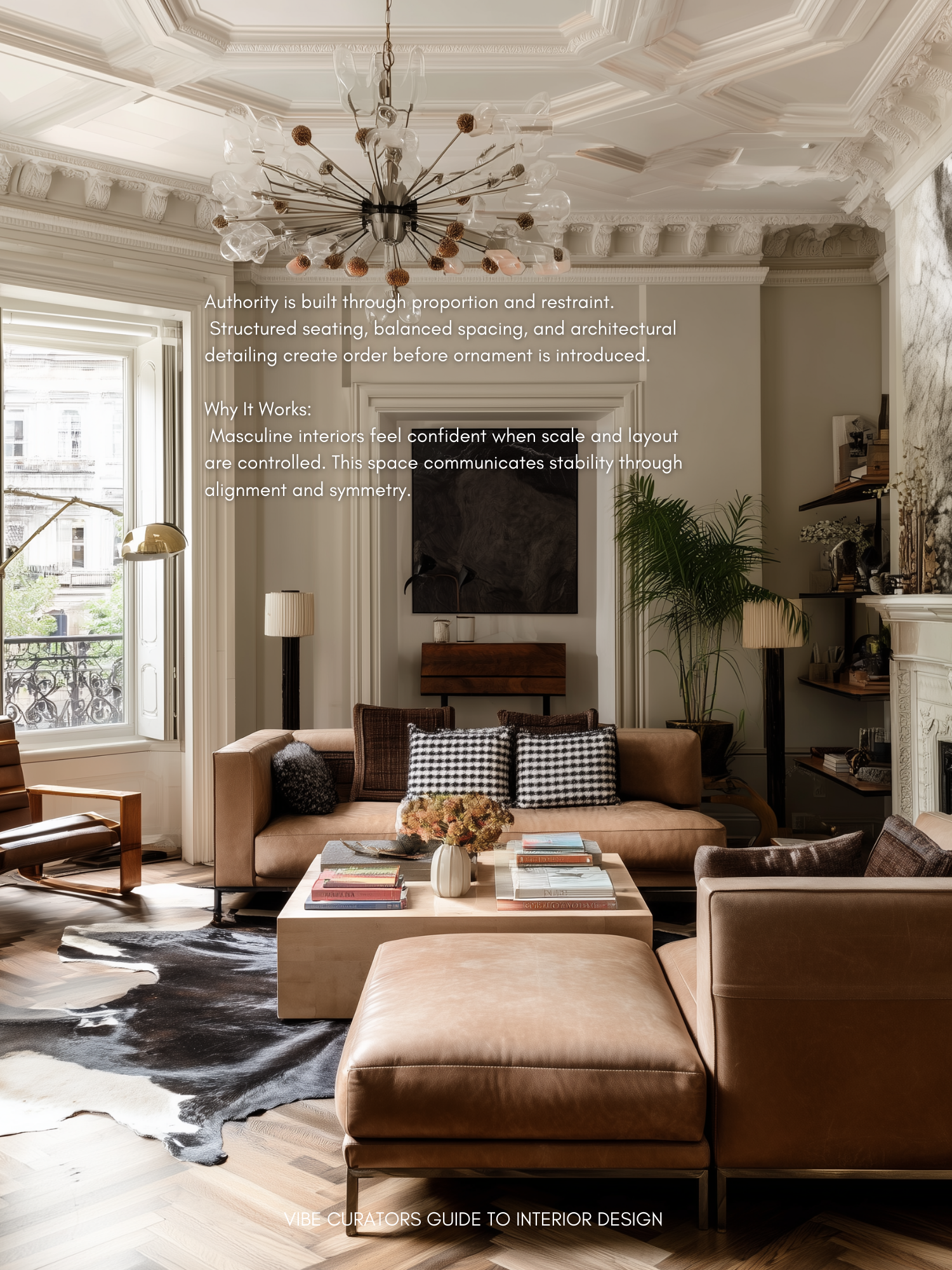
If it’s trying to do all four, it will feel unstable.
Bedroom
Is this meant for:
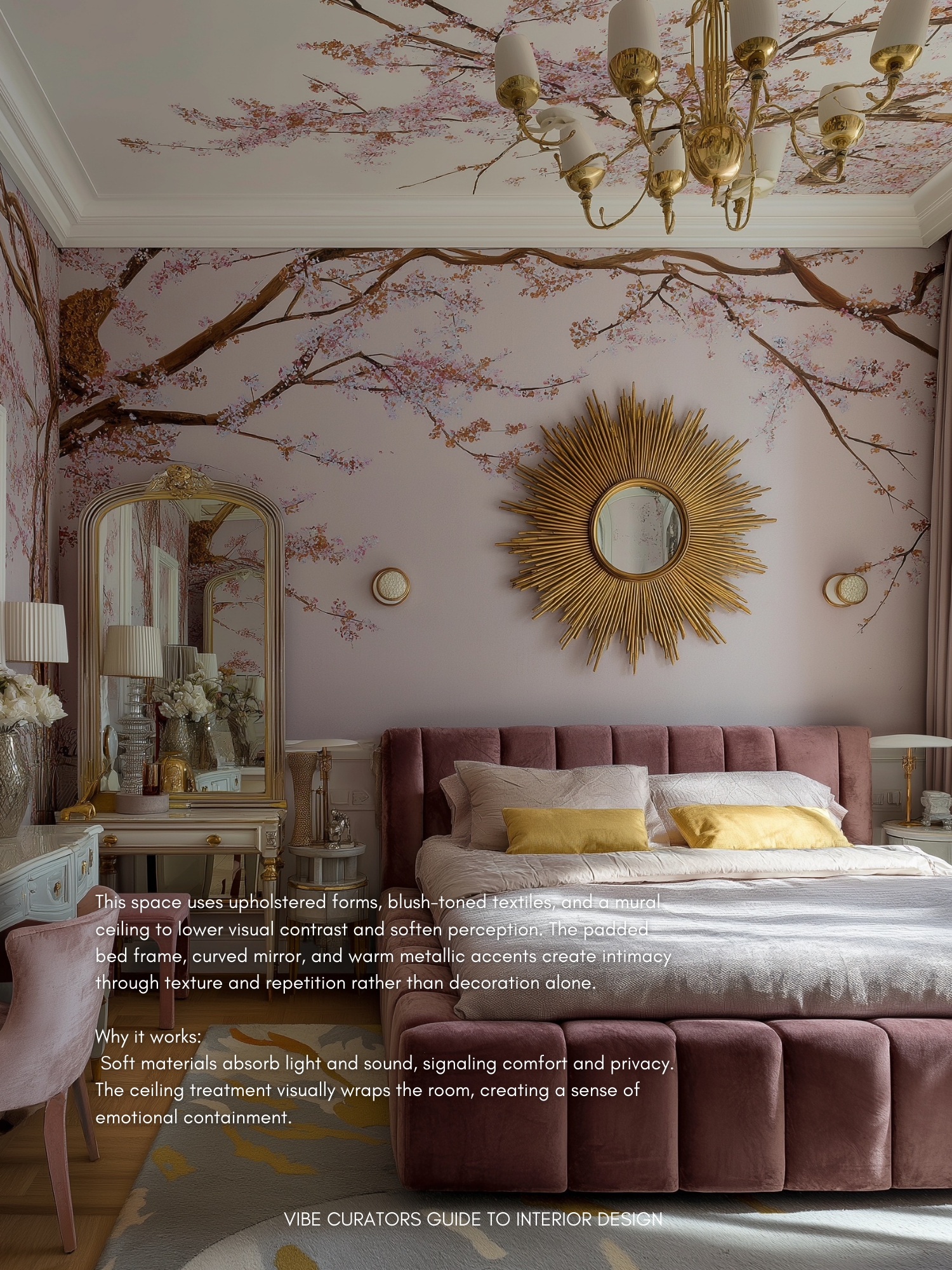
Recovery?
Romance?
Safety?
Quiet?
If it feels busy, bright, or exposed, sleep suffers.
Kitchen
Is this meant for:
Efficiency?
Gathering?
Creativity?
Calm?
If it feels chaotic, daily life feels harder.
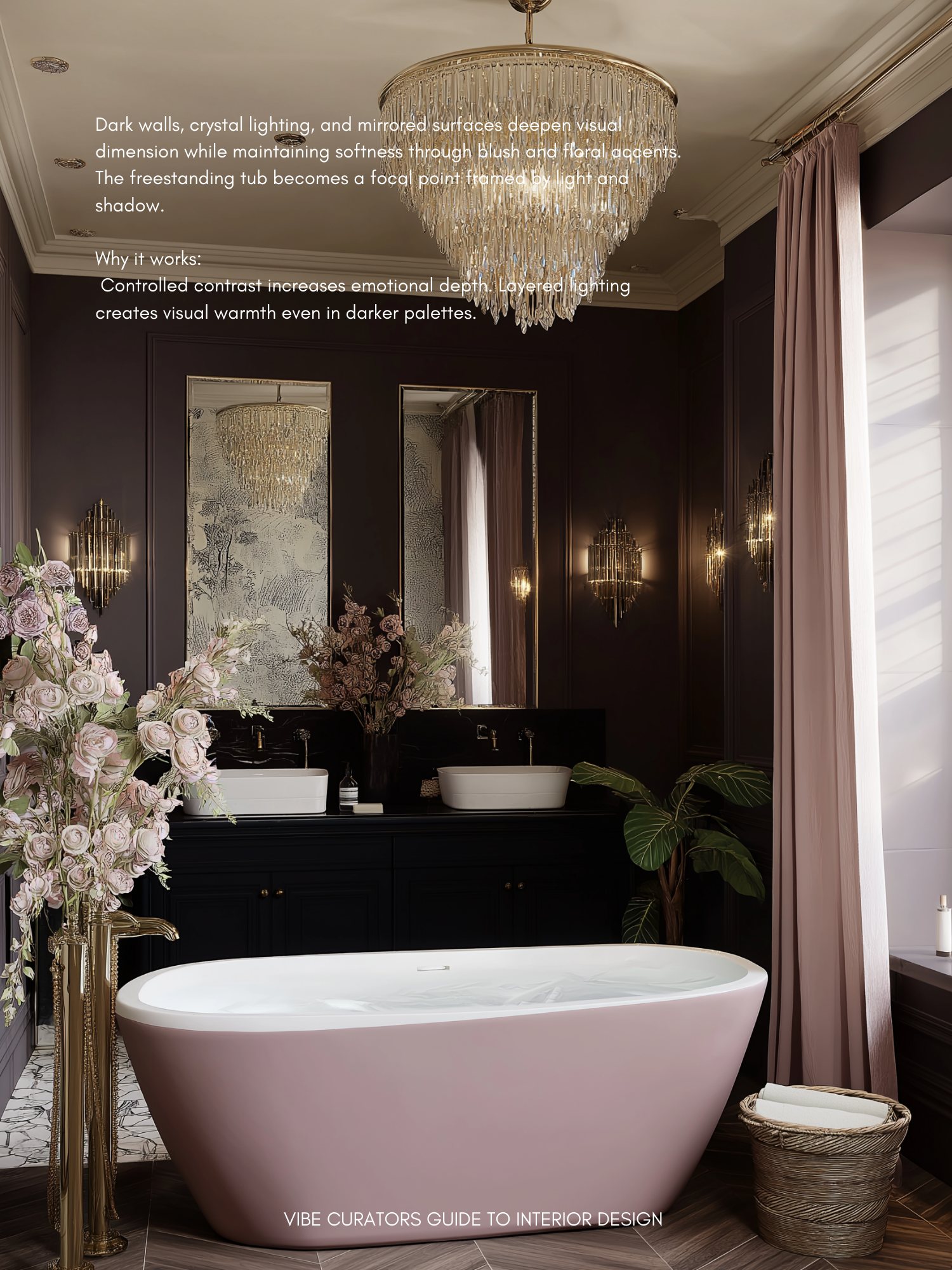
Bathroom
Is this meant for:
Reset?
Privacy?
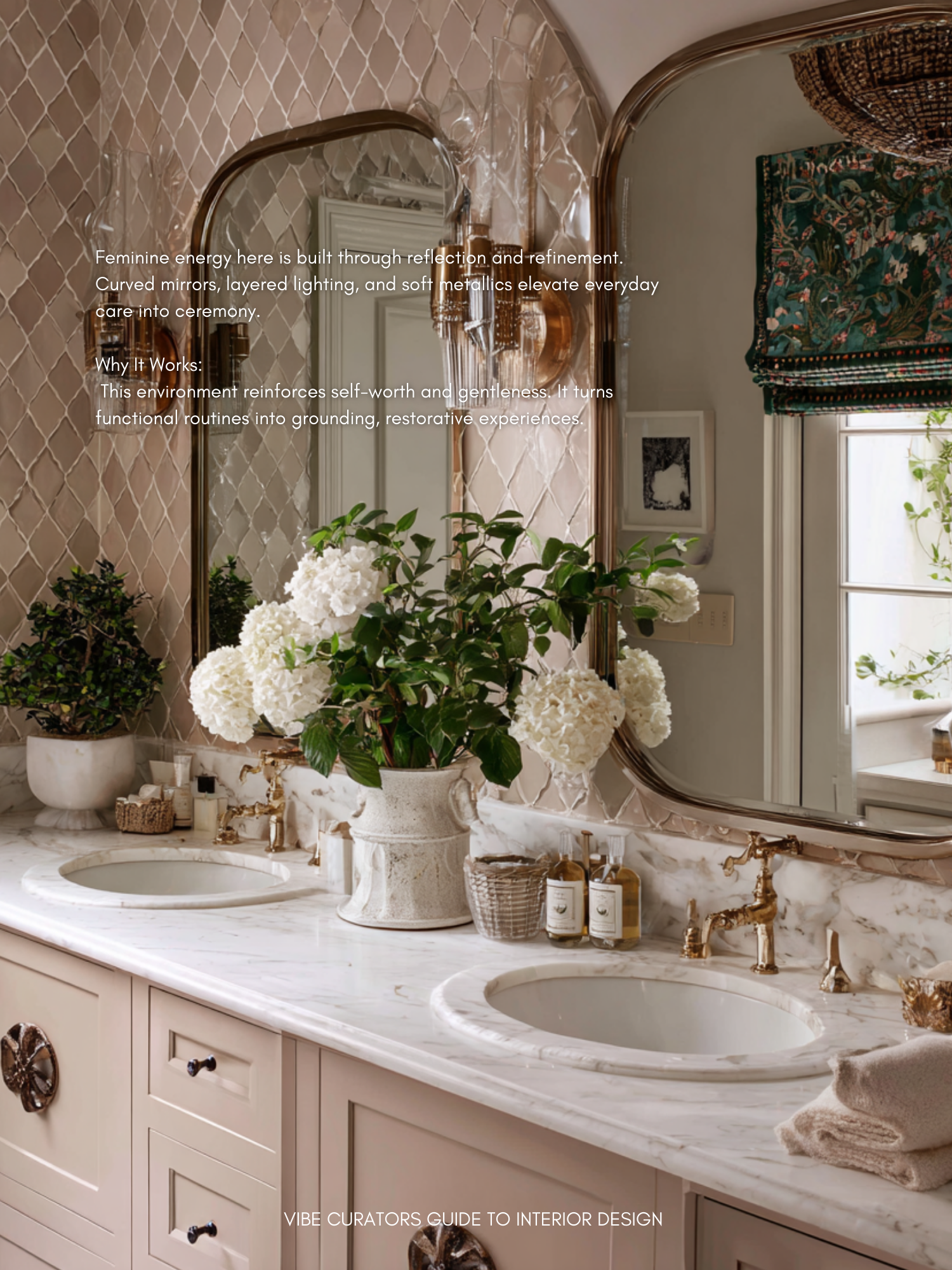
Luxury?
Practicality?
If it feels rushed, you never fully decompress.
Rooms without clear emotional roles feel confusing.
Step Three: Check for Sensory Balance
Design isn’t just visual.
It’s sensory.
Scan each room:
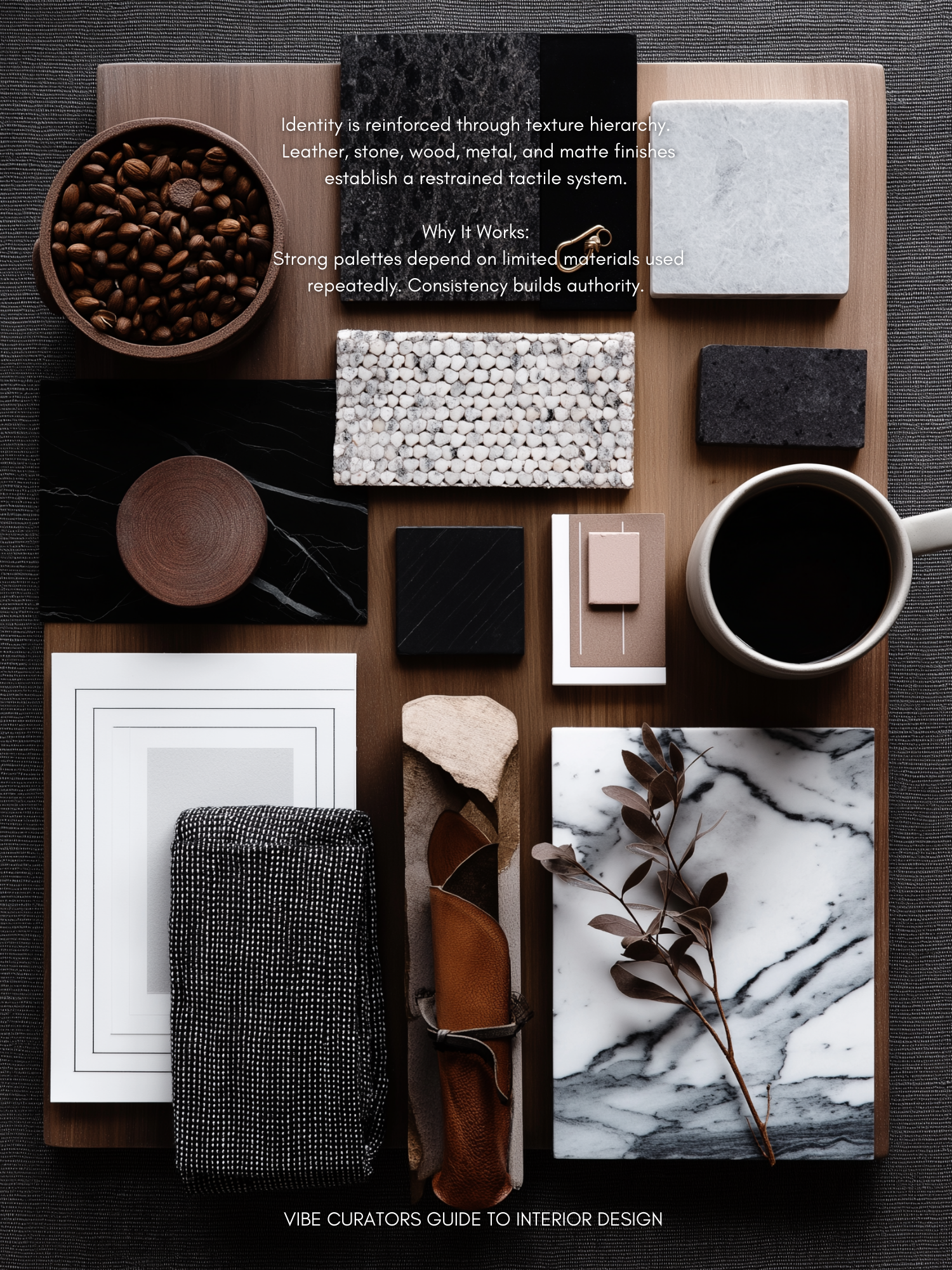
Texture
Is everything smooth and hard?
If yes → the room feels cold.
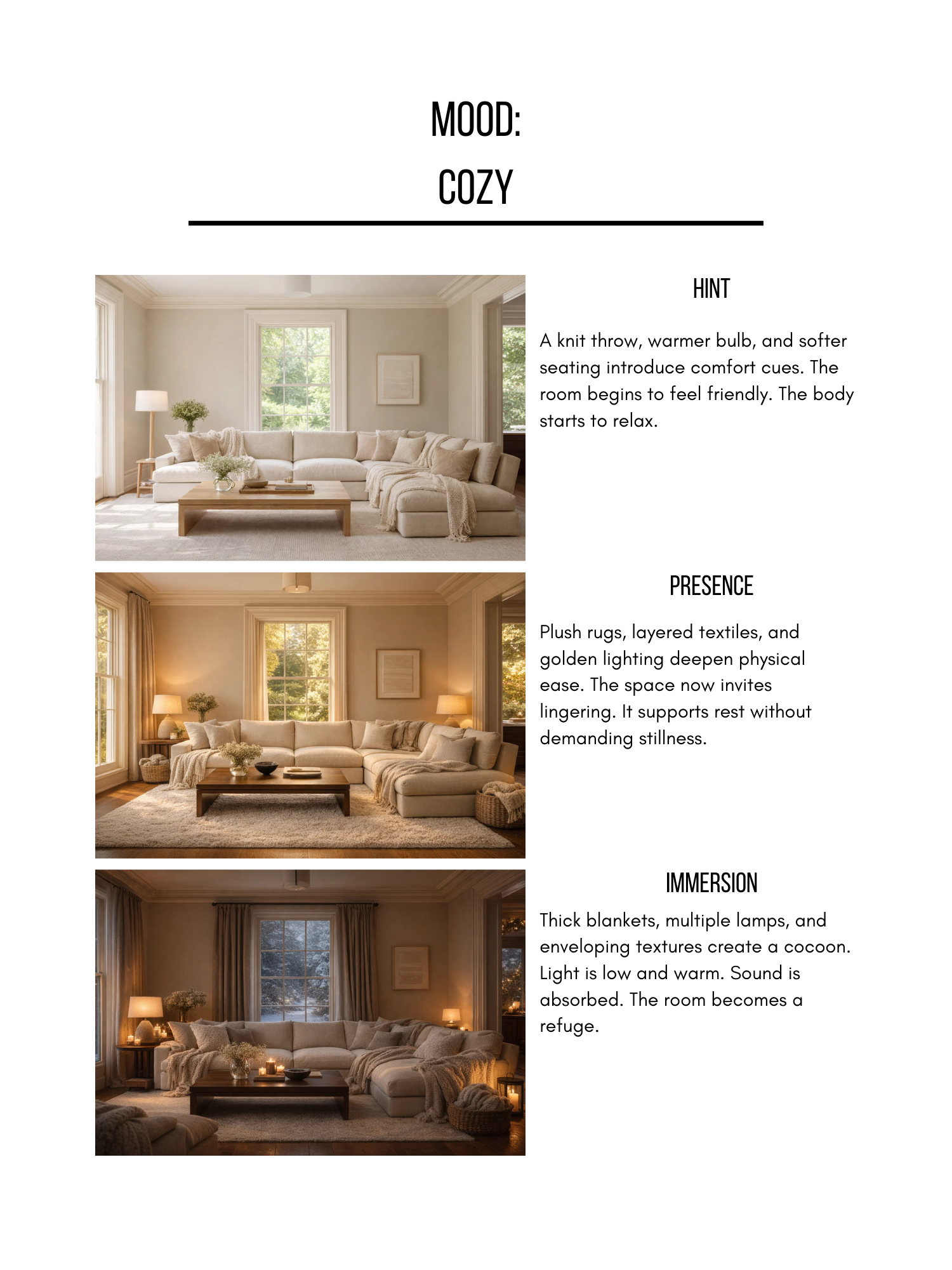
You need softness and irregularity.
Light
Is lighting harsh or flat?
If yes → your body stays alert.
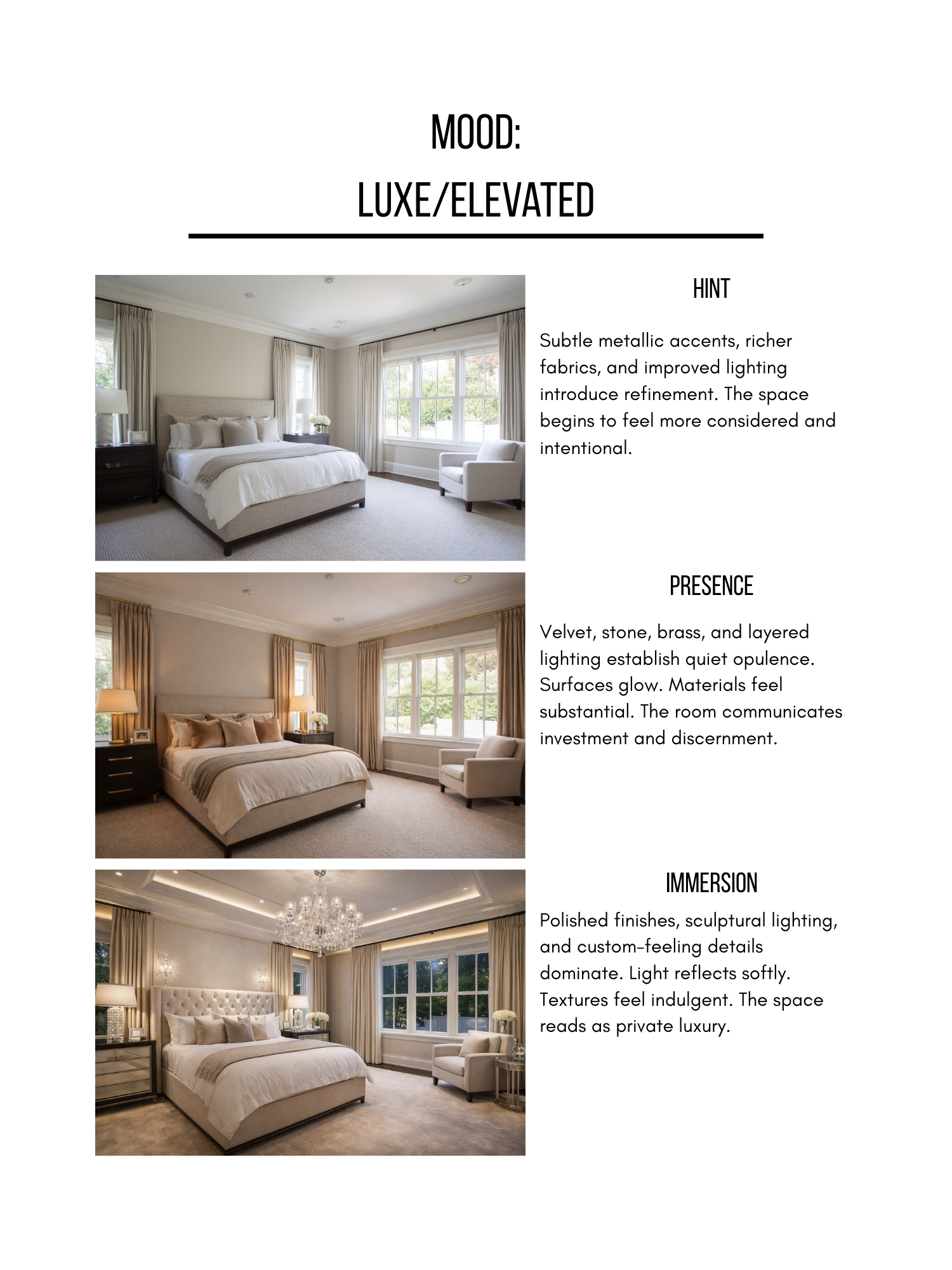
You need layered, warm light.
Sound
Does the room echo?
If yes → nervous system stress increases.
You need fabric, rugs, and absorption.
Movement
Is it hard to walk through?
If yes → constant micro-stress.
You need clear paths.
When even one of these is off, comfort drops.
Step Four: Look for Visual Hierarchy
Ask:
“What is the first thing I see?”
If the answer is:
Nothing
Everything
Clutter
Random decor
You have no hierarchy.
Every room needs:
One lead element
Two supporting elements
Everything else stays quiet
That’s how calm is created.
Step Five: Notice Where the Room Is Overworking
Overworking looks like:
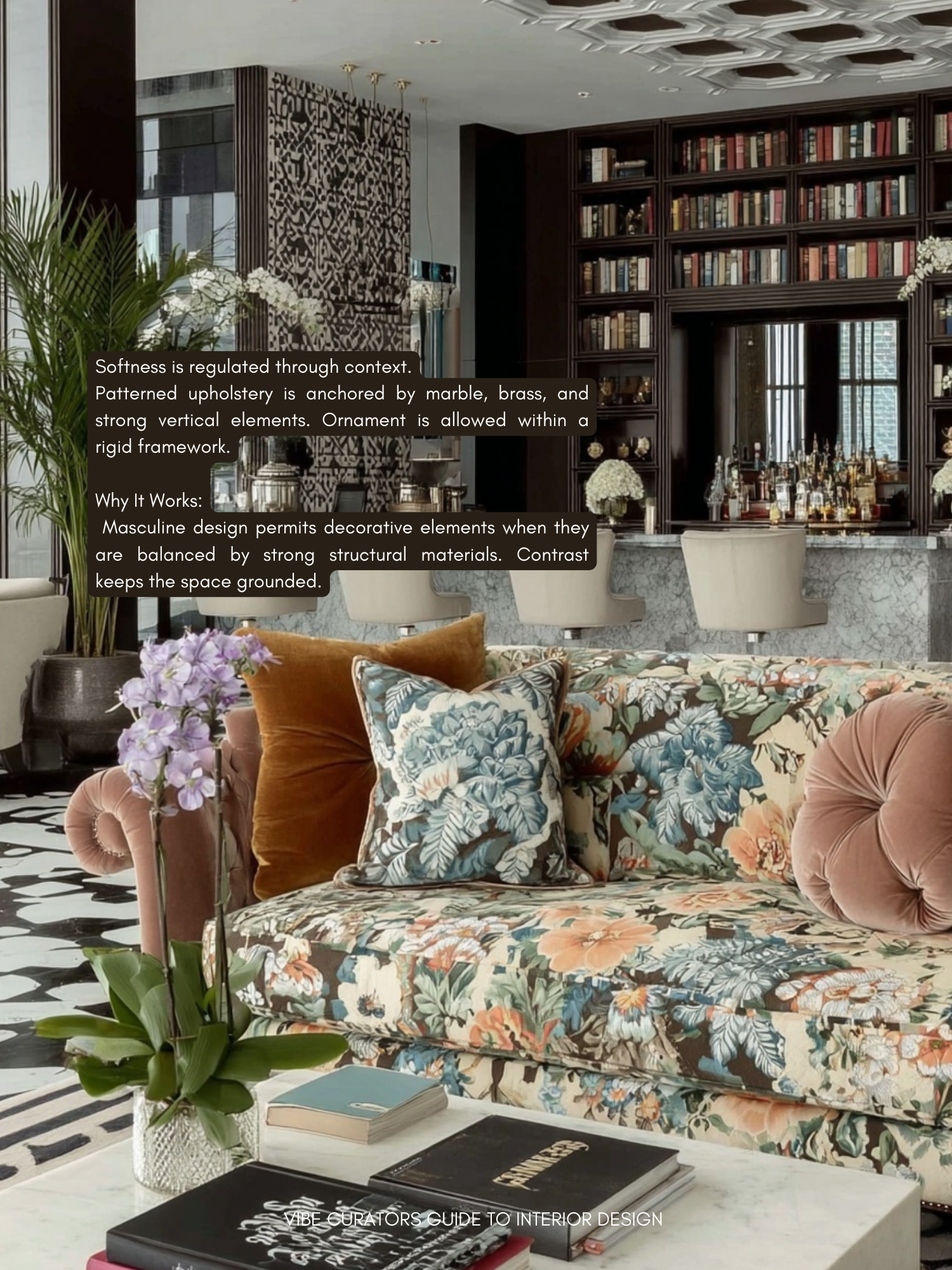
Too many patterns
Too many colors
Too many accessories
Too many styles
Too many focal points
It’s design burnout.
Your eye gets tired.
Editing is often more powerful than buying.
Common Emotional Design Diagnoses
Here are patterns I see constantly:
“My Living Room Feels Formal”
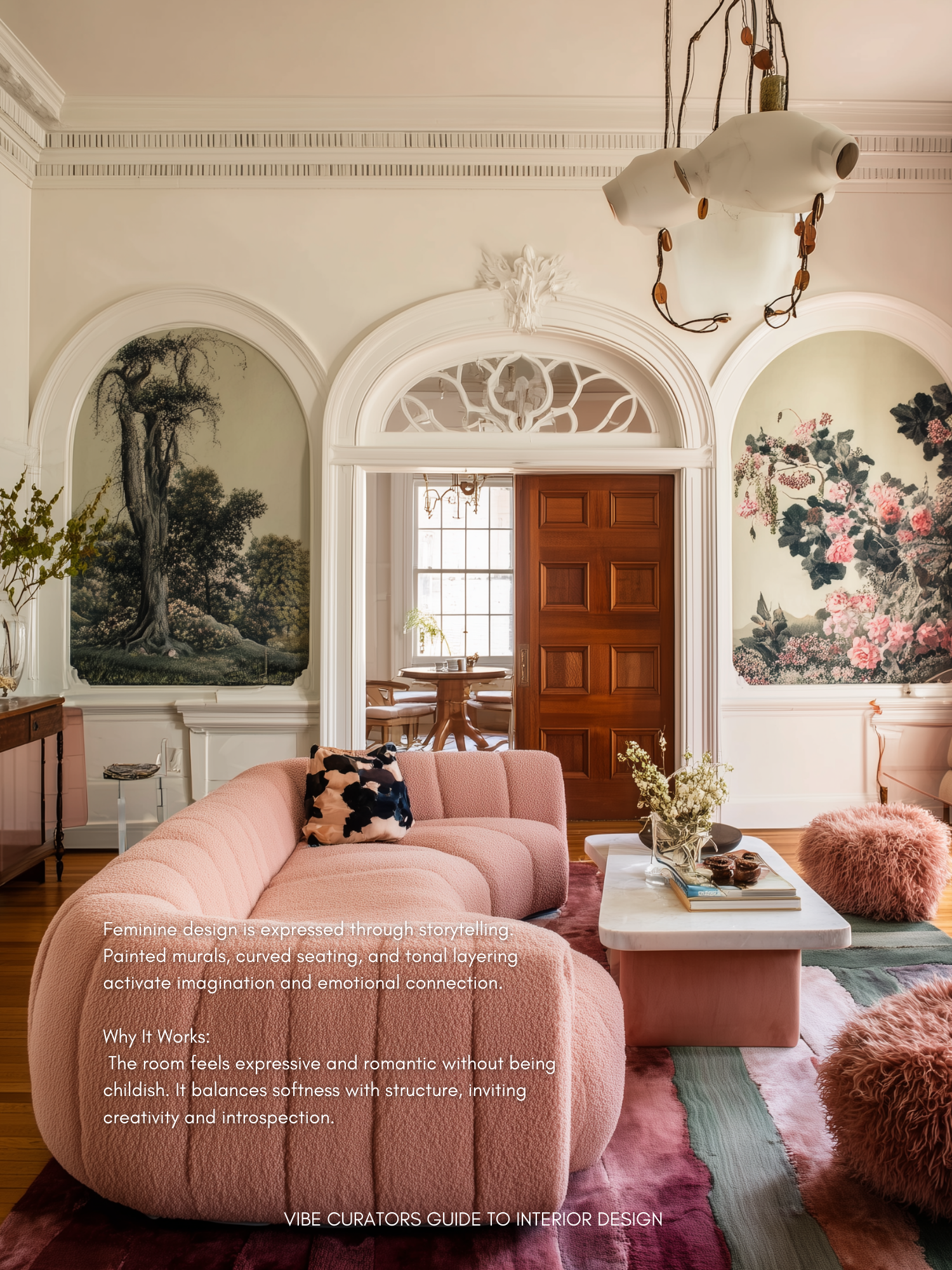
Too many hard surfaces.
Not enough softness.
“My Bedroom Feels Restless”
Too much contrast.
Not enough visual quiet.
“My Home Feels Temporary”
No repeated materials.
No weight.
No anchors.
“My Space Feels Draining”
Overstimulation.
No hierarchy.
No rhythm.
Each of these has a design solution.
But you have to see it first.
Why Most People Never Learn This
Because most design advice is about products.
Not perception.
You’re taught what to buy.
Not how to read.
So you keep shopping.
And wondering why nothing sticks.
The Vibe Curator Method Teaches You This Skill
Inside The Vibe Curator’s Guide, I teach you how to:
✔ Diagnose rooms emotionally
✔ Understand sensory balance
✔ Read texture and light
✔ Build hierarchy
✔ Design from identity
✔ Edit without losing soul
So you’re not dependent on trends.
You become your own designer.
Try This Tonight
Walk through your home and write one sentence per room:
“This room currently feels ______.”
Be honest.
Not aspirational.
Not polite.
Accurate.
That sentence is your starting point.
Final Thought
Beautiful homes aren’t created by accident.
They’re created by awareness.
Once you know how to read your space, everything changes.
You stop guessing.
You stop overspending.
You start trusting yourself.
That’s real design confidence.
✨ Explore The Vibe Curator’s Guide here:
And peek at the pages of the guide: