The $22 Upgrade That Made This Amazon Cabinet Look Custom
One small design decision completely changed how this cabinet fit into my home—and reminded me that the best interiors aren't built from expensive furniture. They're built from intentional choices.
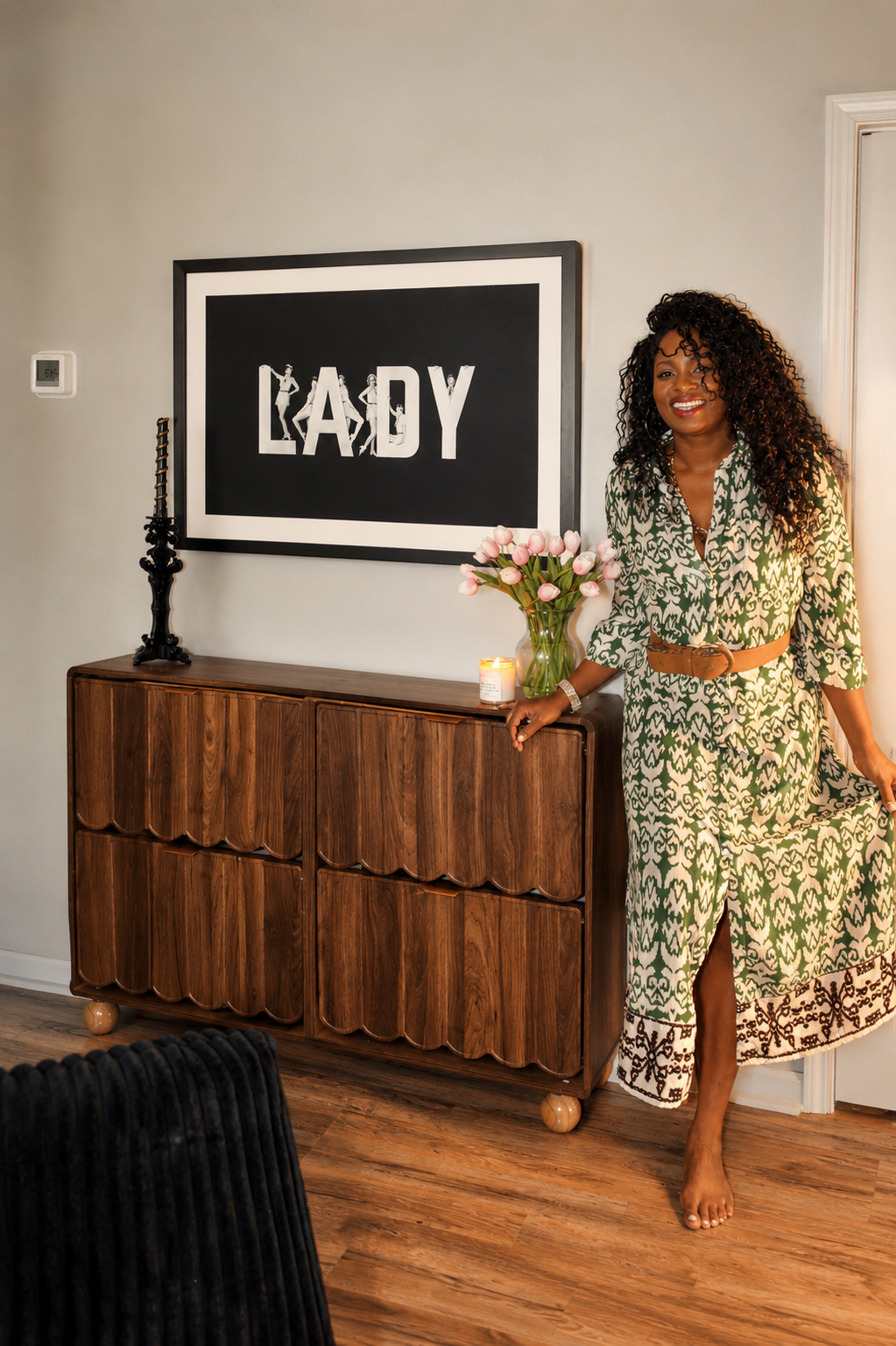
The Cabinet Was Almost Perfect
I wasn't looking for a DIY project.
I was looking for a shoe cabinet.
Like most families, shoes had started collecting around my entryway, and I wanted something that looked like furniture instead of storage. After scrolling for what felt like forever, I found this cabinet on Amazon for around $169. It had clean lines, beautiful walnut tones, and four flip-down compartments that held more shoes than I expected.
It solved the storage problem immediately.
Almost.
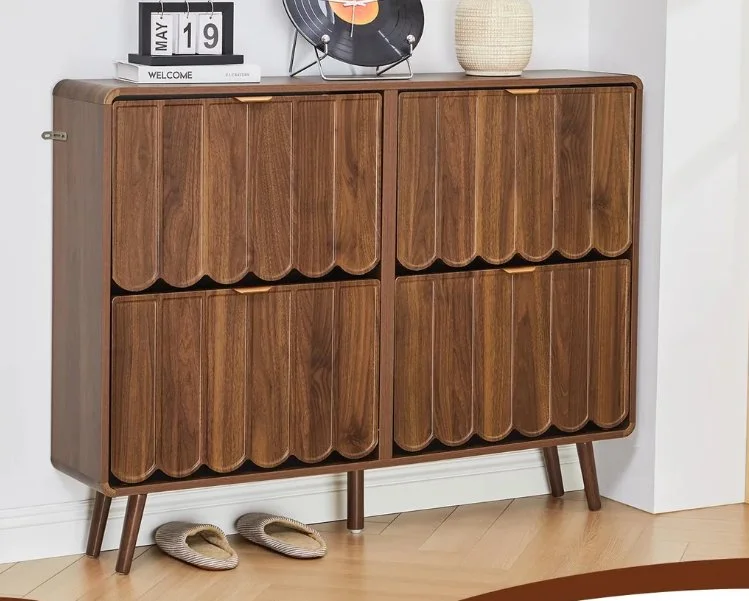
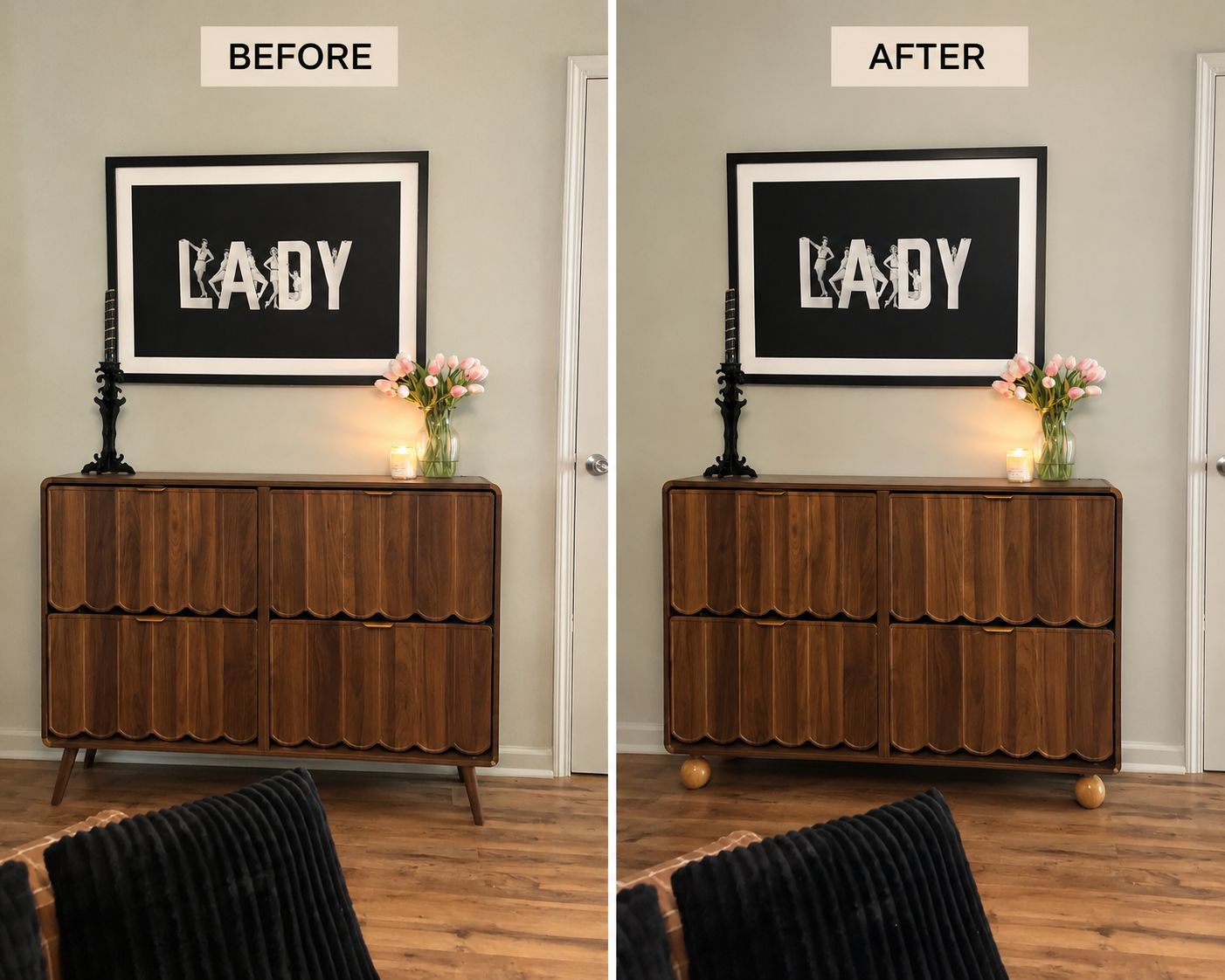
The original product image shows the cabinet with angled mid-century style legs.
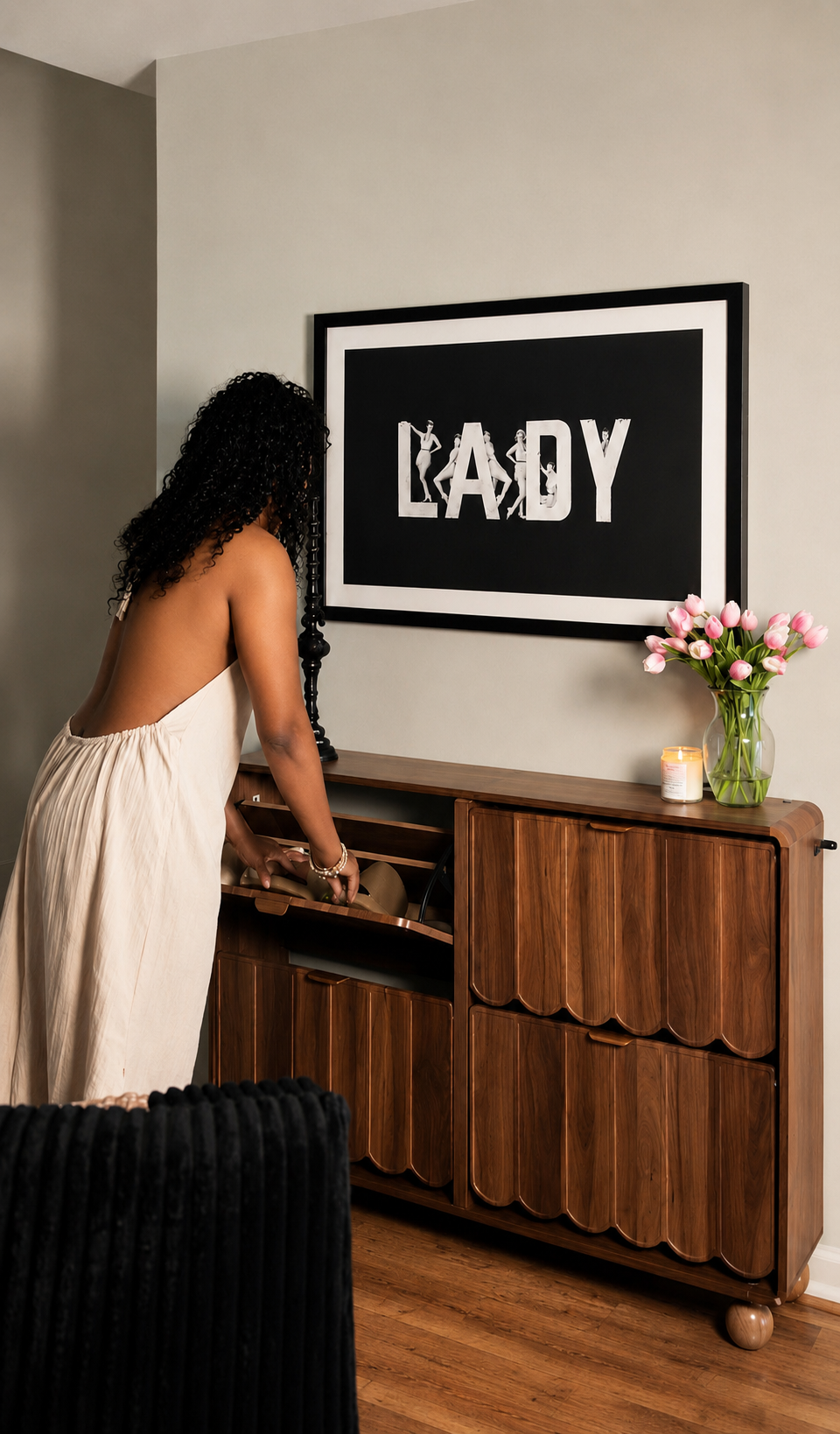
When it arrived, I started assembling it exactly as the instructions suggested.
Then I got to the legs.
The original tapered legs weren't ugly.
They just belonged to a different conversation than the rest of my home.
Years ago, I loved mid-century modern furniture. Like many designers, I went through that phase when walnut, angled legs, and clean Scandinavian silhouettes were everywhere. But over time my own design style evolved into something softer and more sensory.
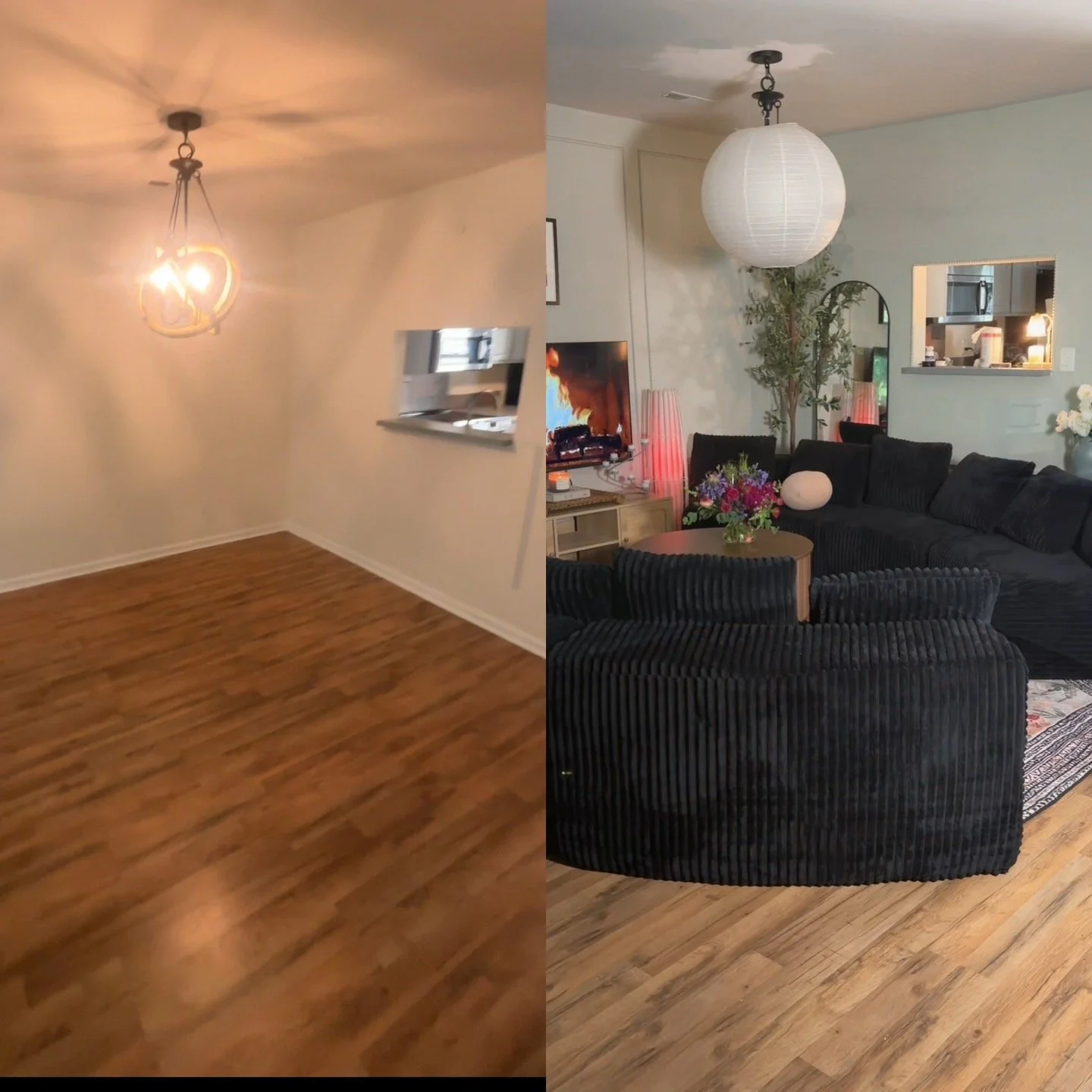
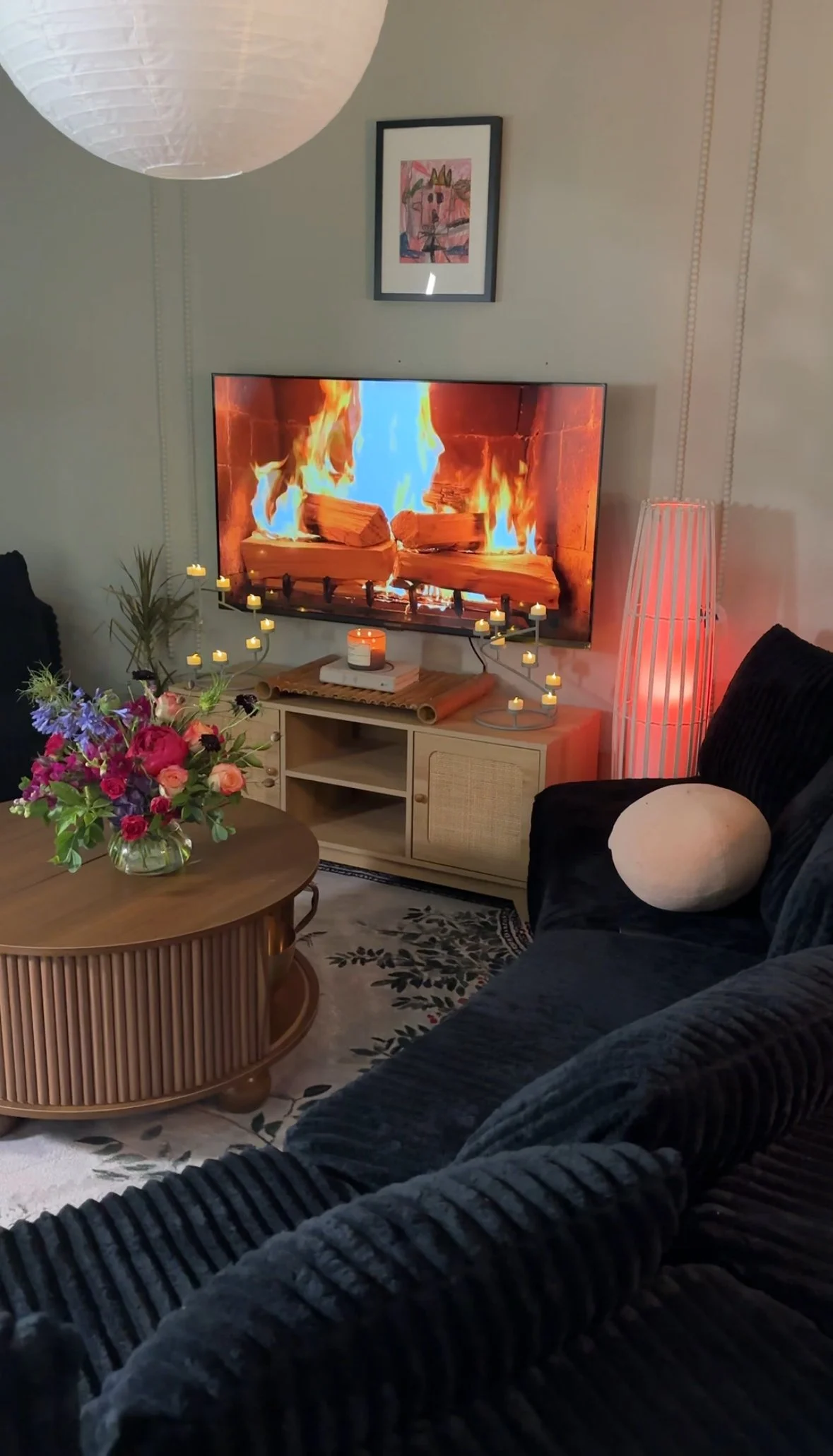
My home had quietly become a study in curves.
Rounded coffee tables.
Curved seating.
Bobbin trim.
Soft edges.
Organic forms.
Then there was this cabinet...
...with four sharp diagonal legs.
Once I saw it, I couldn't unsee it.
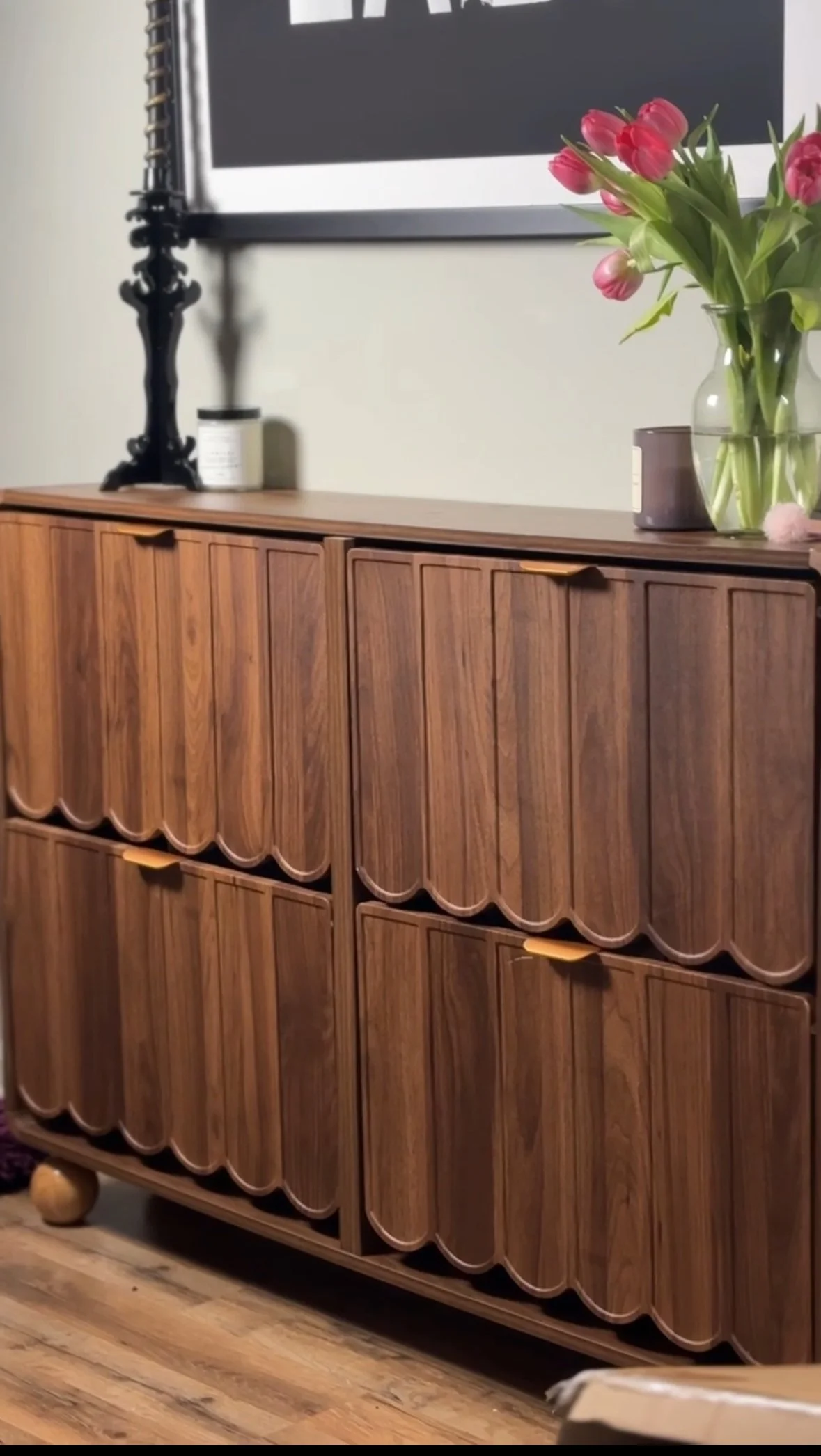
Learning to Read the Furniture
One thing I think separates designers from everyone else is that we stop looking at furniture as individual objects.
We start looking for patterns.
The moment I really studied the cabinet, I realized something interesting.
The cabinet itself wasn't modern and angular at all.
Every single door panel ends in a rounded arch.
The corners are softly radiused.
Even the pulls are subtle.
The cabinet already had its own visual language.
The legs were the only thing speaking a different dialect.
Replacing them wasn't about following a trend.
It was about allowing the cabinet to become more like itself.
👁 Designer's Eye
Before changing any furniture, ask yourself:
What design language is this piece already speaking?
Instead of adding something new, sometimes the best edit is simply reinforcing what's already there.
The $22 Experiment
I found a set of unfinished wooden bun feet on Amazon for about $22.
They were almost the exact color I needed, perfectly round, and echoed the shapes I had already repeated throughout my living room.
Easy enough...
...or so I thought.
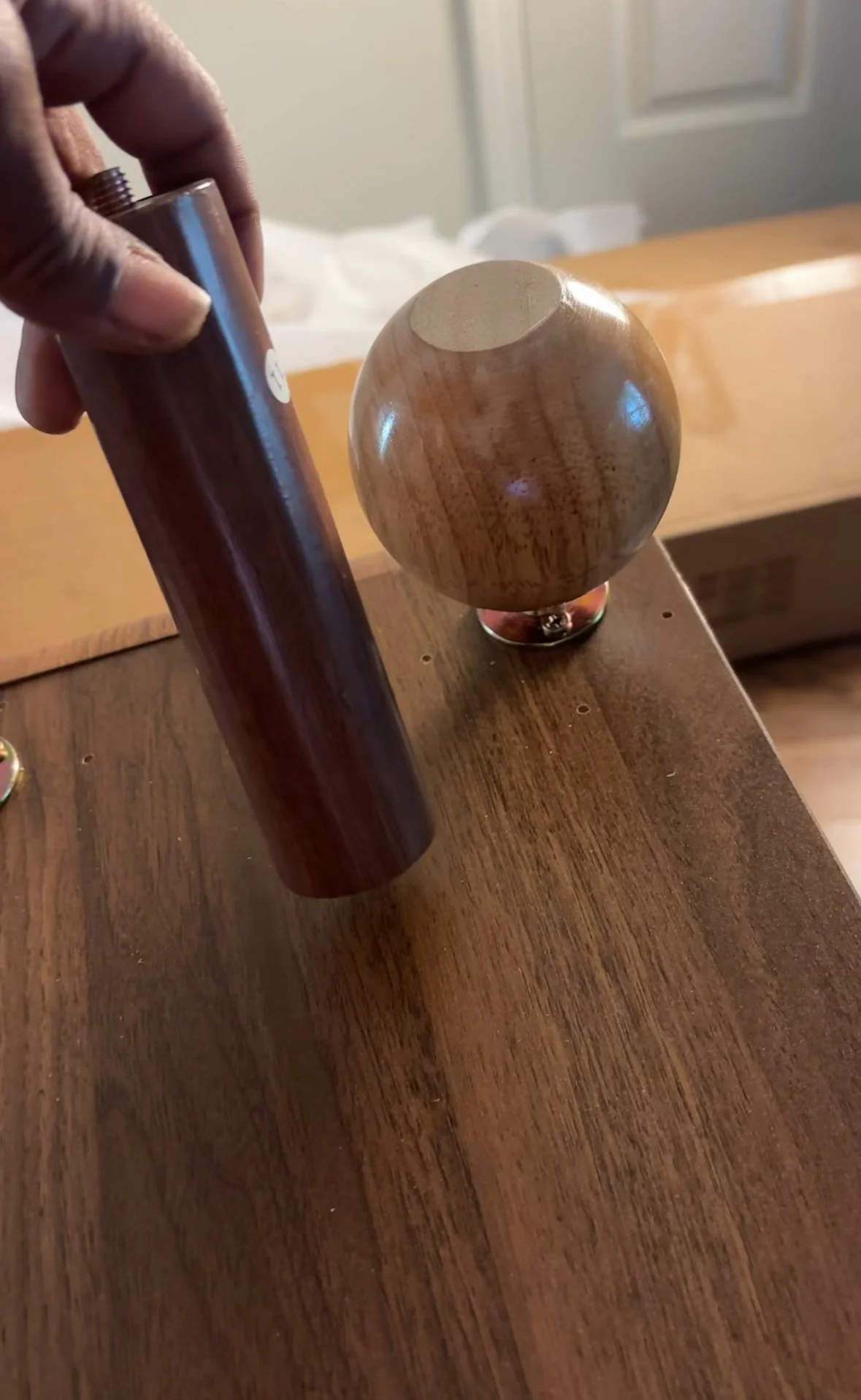
Comparison photo showing the original tapered leg beside the bun foot.
The One Problem Nobody Mentions
I assumed I would simply unscrew one leg and screw in the other.
Nope.
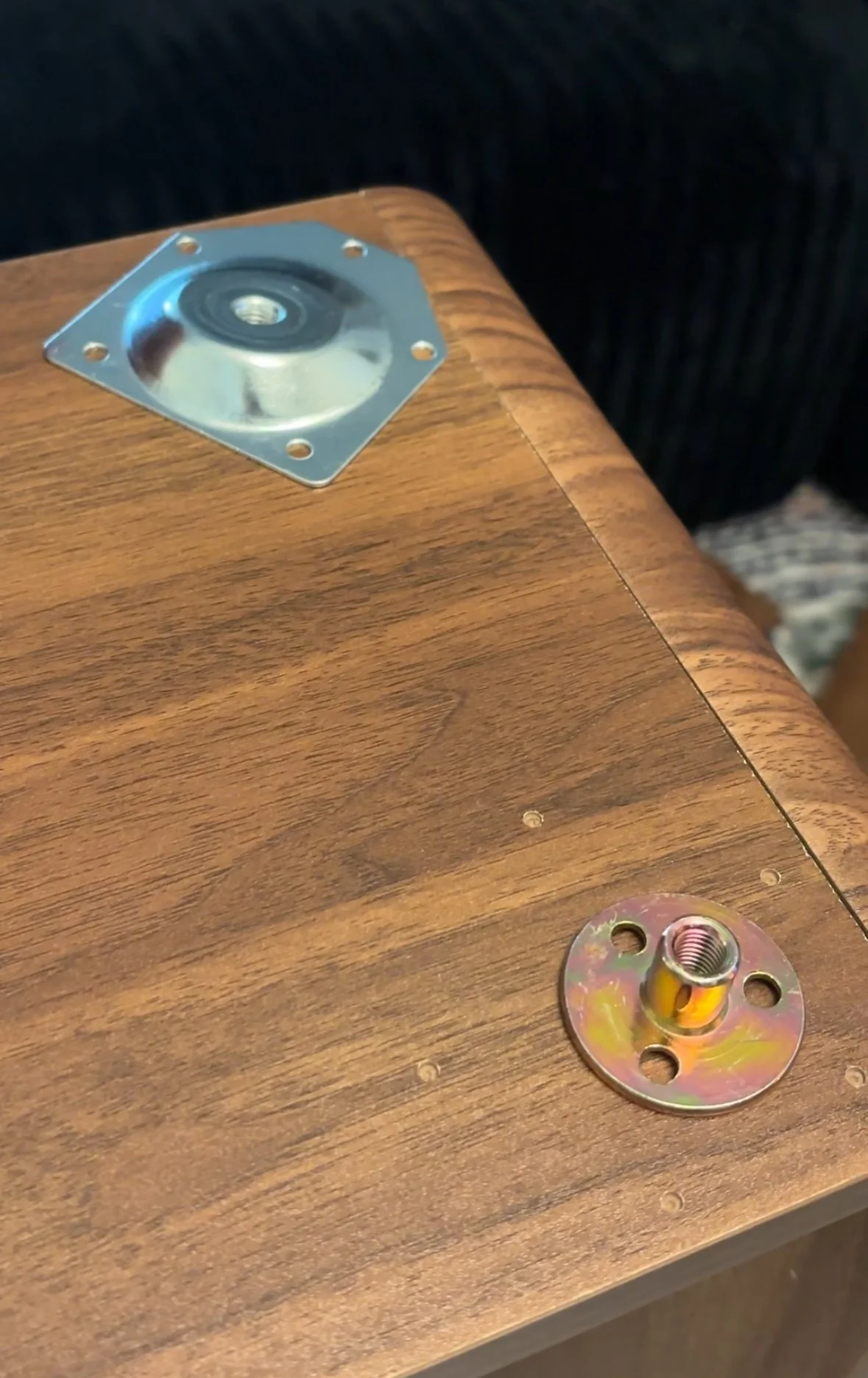
The original legs use angled mounting plates.
That angle is intentional—it makes the tapered legs lean outward.
The problem?
A perfectly round bun foot isn't supposed to lean.
If I attached it using the original hardware, the entire foot would sit crooked.
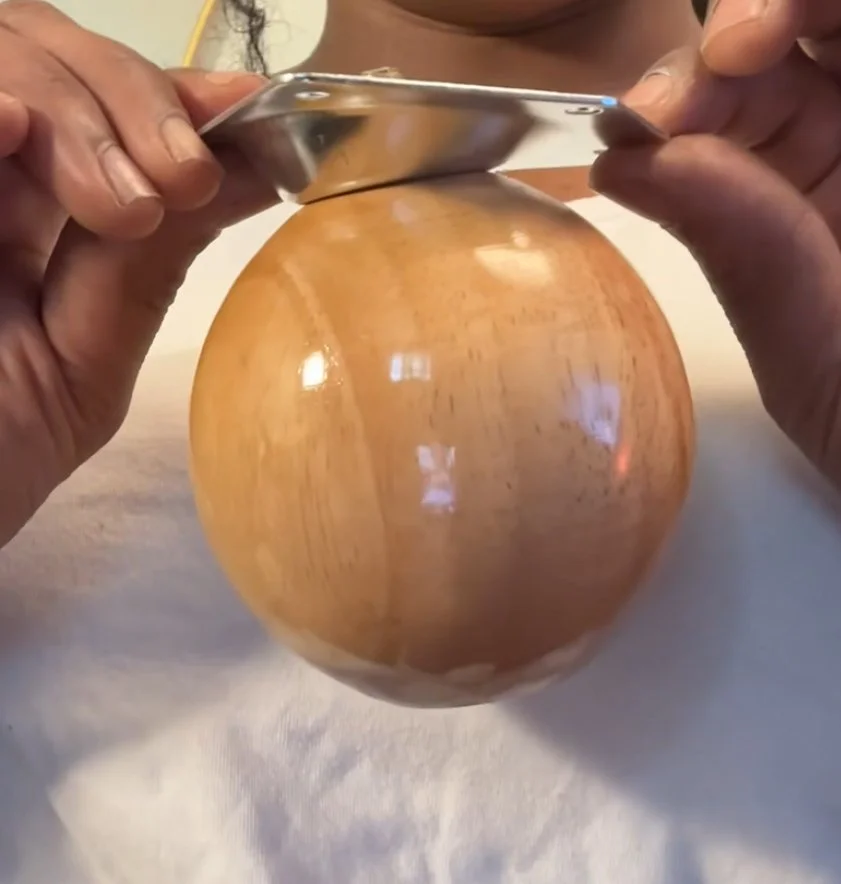
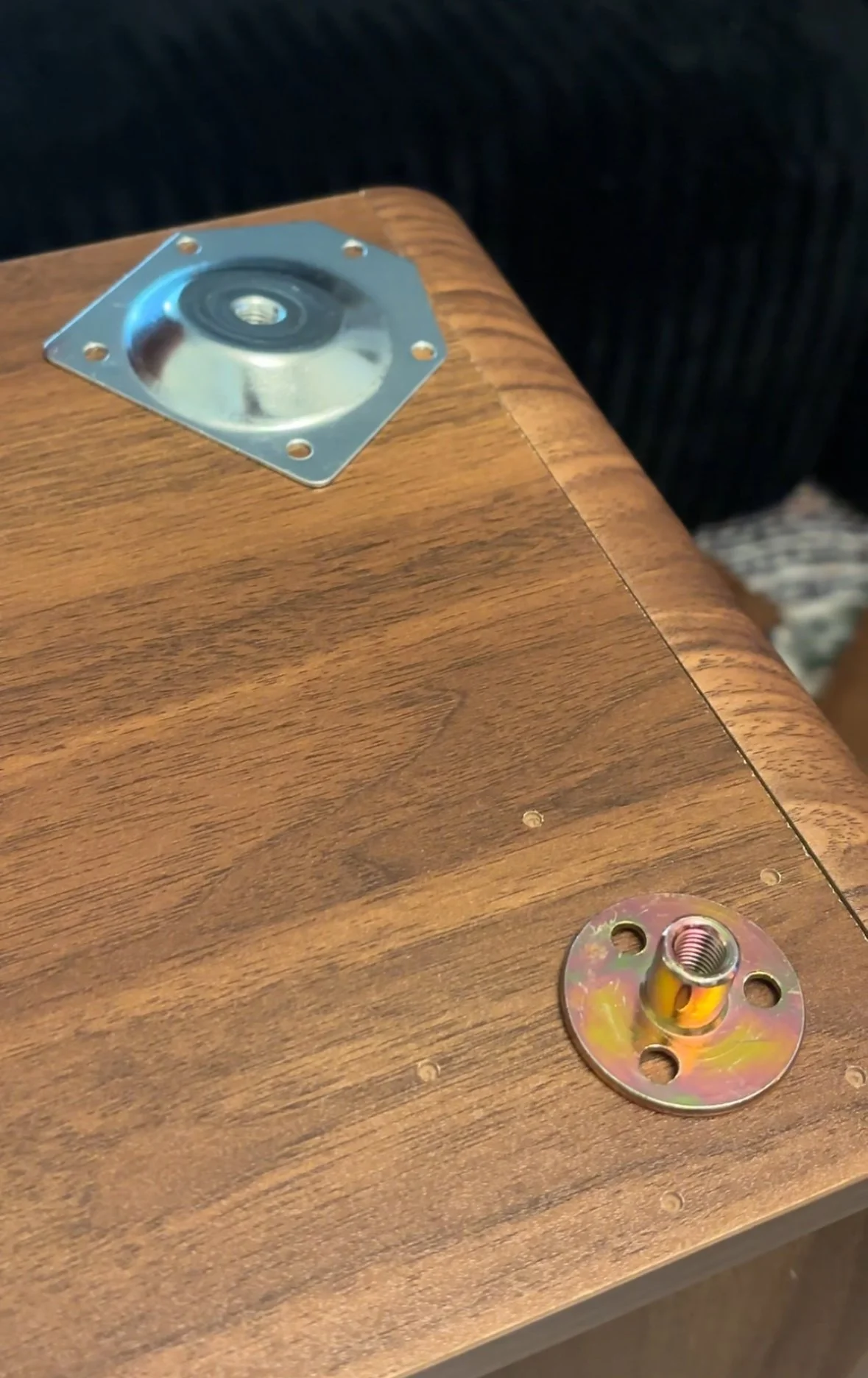
Hold the bun foot against the angled mounting plate to show why it doesn't work.
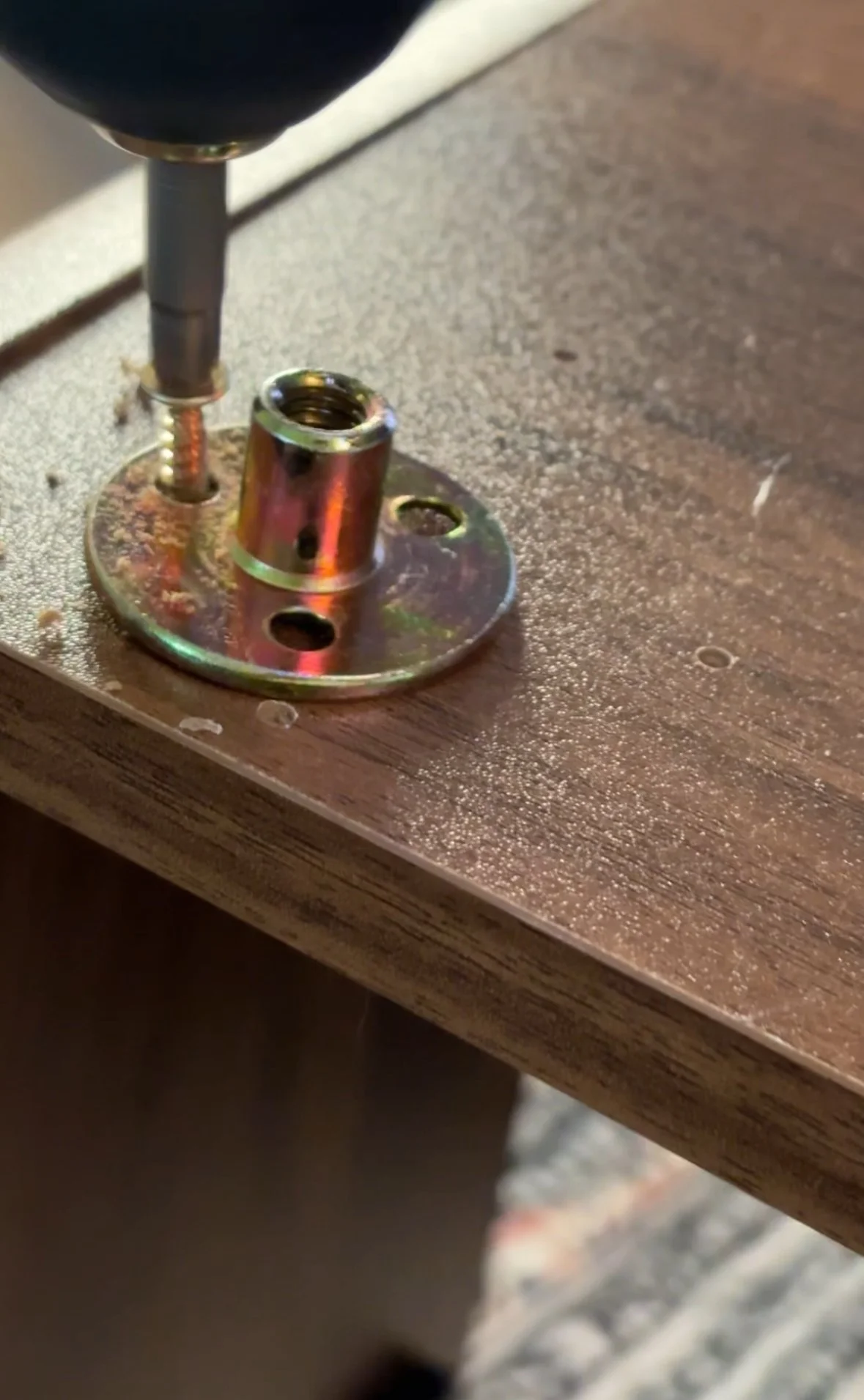
Thankfully, the bun feet came with their own mounting hardware.
The only catch was that the screw holes didn't line up with the factory holes already drilled into the cabinet.
Instead of forcing them to match, I centered each mounting plate by eye and installed them where they naturally fit.
It took maybe five extra minutes.
One More Small Change
Originally, this cabinet stands on five legs.
Two on each side and one support leg in the center.
I installed only four bun feet.
Because the cabinet is anchored securely to the wall using the included anti-tip hardware, I wasn't concerned about stability in my space.
If you're recreating this project, always evaluate your own installation and follow the manufacturer's safety recommendations.
The Funny Part?
Changing the legs wasn't what transformed the cabinet.
Changing the rhythm did.
Once the bun feet were installed, my eye naturally moved through the room.
From the rounded cabinet doors...
to the rounded feet...
to the curved furniture...
to the circular forms repeated throughout the rest of the living room.
Nothing matched.
Everything belonged.
That's one of the biggest misconceptions people have about interior design.
A cohesive room isn't built by buying matching furniture.
It's built by repeating ideas.
Why I Care So Much About Curves
People often ask why I gravitate toward rounded furniture.
The answer isn't because circles are trendy.
It's because they create rhythm.
If you've ever listened to music, you already understand rhythm.
A single note feels random.
A repeated melody begins to feel intentional.
Rooms work exactly the same way.
One rounded object feels like an accent.
When curves quietly repeat throughout a space, your brain begins reading the room as one complete composition.
Most people won't consciously notice why the room feels calmer.
They'll simply feel it.
Designer Experiment #001
Question
Can changing furniture legs make inexpensive furniture feel custom?
Answer
Not by themselves.
But when that change reinforces the geometry already present throughout the piece—and throughout the room—it creates something much more powerful than a furniture hack.
It creates visual harmony.
If I Were Doing It Again
I'd actually order the bun feet before I ever started assembling the cabinet.
That way I could install the correct mounting plates from the very beginning instead of removing hardware halfway through the build.
It's a small detail, but it's exactly the kind of thing I wish someone had told me before I started.
Sometimes custom design isn't about spending more money.
Sometimes it's about noticing what everyone else walks past.
Shop This Project
(Affiliate links)
Screwdriver
Drill
Anti-tip wall anchors (if needed)