How to Choose a Dining Table That Adds Character to Your Space
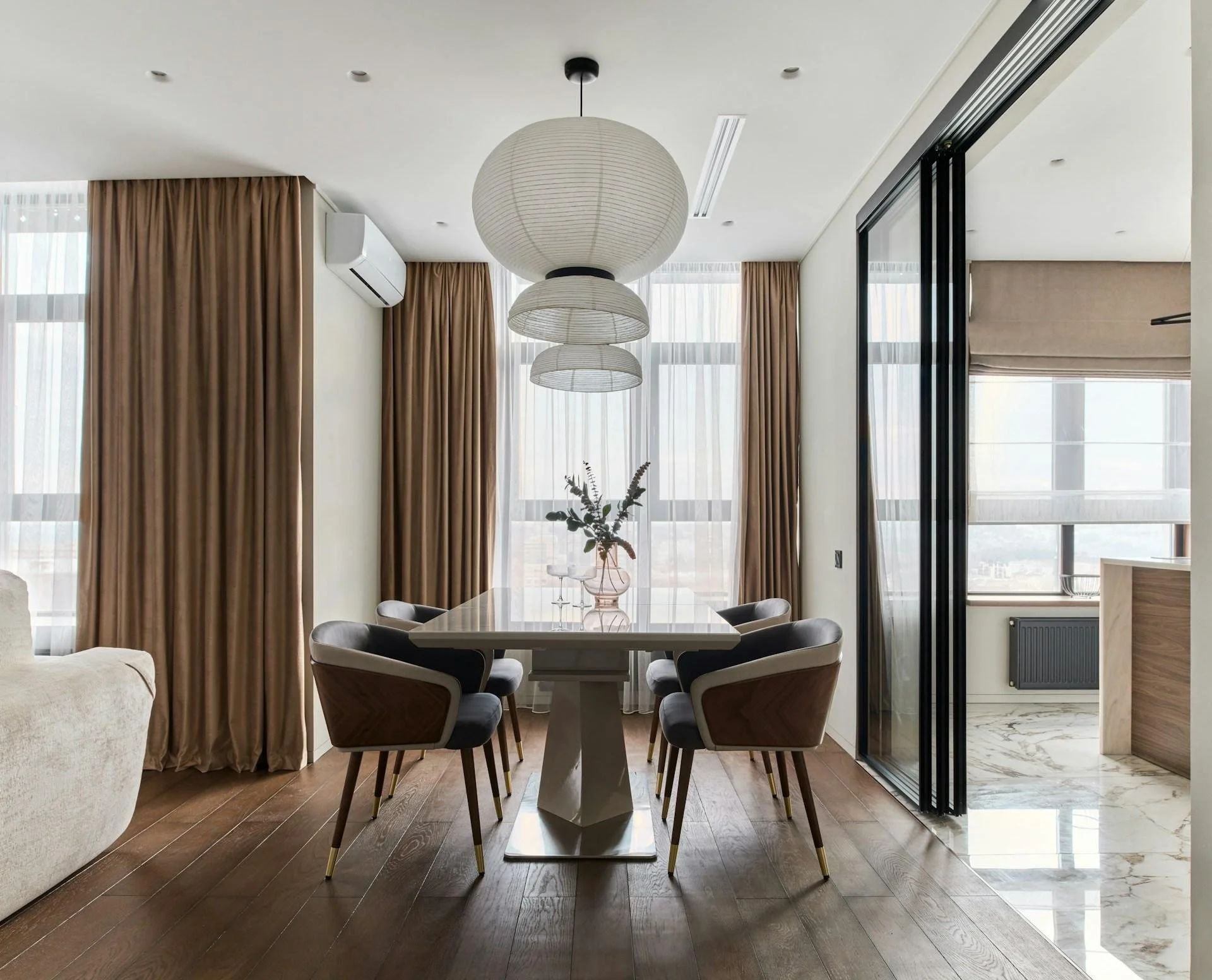
Photo by Yevhenii Deshko on Unsplash
A dining table is one of the most important pieces of furniture in any home. While sofas often receive the most attention in living spaces and beds dominate bedroom design discussions, the dining table frequently serves as the true heart of the home. It is where family meals are shared, guests gather for celebrations, conversations unfold over coffee, and everyday moments become lasting memories.
Because of its central role, choosing the right dining table involves more than simply finding one that fits the available space. The table often establishes the room’s personality, influences the overall design direction, and becomes a visual anchor that connects the surrounding furniture and décor. A thoughtfully selected table can transform an ordinary dining area into a space that feels welcoming, distinctive, and deeply personal.
The Dining Table Sets the Tone for the Entire Room
Few pieces of furniture have as much influence on a room as the dining table. Because it occupies a central position within the space, it often becomes the element that defines the room’s overall personality. The shape, material, finish, and craftsmanship all contribute to the atmosphere, whether the goal is to create a warm gathering place, a contemporary entertaining space, or a more dramatic design statement.
For homeowners looking to move beyond standard furniture options, exploring collections of unique dining tables can provide valuable inspiration. Designs featuring natural wood, sculptural bases, handcrafted details, and distinctive silhouettes demonstrate how a dining table can serve as both a functional centerpiece and a defining design feature. A carefully chosen statement table often becomes the anchor around which the rest of the room naturally evolves.
Start by Understanding the Room
Before exploring styles, materials, or finishes, it is important to consider the room itself. The size, shape, lighting conditions, and architectural details of the space should all influence the decision. A large open-plan dining area may comfortably accommodate a substantial rectangular table that acts as a focal point, while smaller rooms often benefit from round or oval designs that improve circulation and create a softer visual flow.
Ceiling height, window placement, and nearby furniture should also be considered. A dining table should feel connected to the room rather than competing with it. When proportions are balanced correctly, the table enhances the space naturally and creates a sense of harmony throughout the interior.
Think Beyond Functionality
Many homeowners begin their search by focusing exclusively on practical considerations such as seating capacity and dimensions. While these factors are important, they only tell part of the story. A dining table often occupies a significant amount of visual space, meaning its design can dramatically influence the room’s character.
The shape of the legs, the edge profile, the grain pattern of the wood, and the overall silhouette all contribute to the atmosphere the table creates. Some tables blend quietly into their surroundings, while others become sculptural centerpieces that immediately attract attention. Determining how much visual presence you want the table to have can help narrow the options and lead to a more satisfying choice.
Choosing Materials That Add Warmth and Personality
Material selection plays a major role in defining a table’s character. Solid wood remains one of the most popular choices because it introduces warmth, texture, and natural variation. Every grain pattern, knot, and color variation contributes to a unique appearance that cannot be perfectly replicated.
Oak, walnut, maple, and reclaimed woods each create different visual effects. Lighter woods often contribute to airy, contemporary interiors, while darker species introduce richness and depth. Stone, metal, glass, and mixed-material designs can also create striking results depending on the overall design direction. Natural materials tend to age gracefully, developing character over time rather than simply showing wear, which makes them especially appealing for homeowners seeking long-term value.
Matching Style Without Creating Uniformity
A common design mistake is attempting to match every element of a room perfectly. While coordination is important, overly matched furniture can sometimes feel predictable or lacking in personality. Successful interiors often rely on complementary contrasts that create visual interest and depth.
A rustic wood table may work beautifully alongside contemporary dining chairs, while a sleek modern table can gain warmth from traditional lighting fixtures or textured fabrics. Mixing styles thoughtfully creates a room that feels curated rather than purchased as a complete set. The result is often a more authentic and inviting space that reflects the homeowner’s individual taste.
The Importance of Craftsmanship
Quality craftsmanship can significantly influence both the appearance and longevity of a dining table. Details such as joinery, finishing techniques, edge treatments, and material selection often separate exceptional furniture from mass-produced alternatives. A well-crafted table tends to feel substantial, balanced, and durable, qualities that become increasingly important as the years pass.
Design experts frequently emphasize the value of investing in well-made furniture that can withstand everyday use while maintaining its appearance. Publications such as Architectural Digest often highlight craftsmanship and material quality as key factors when selecting investment pieces for the home. Because a dining table is often used daily, quality construction can provide lasting value that extends well beyond aesthetics.
Considering Everyday Living
While aesthetics matter, practical considerations should never be ignored. The most beautiful dining table will not feel successful if it does not suit the way the household actually functions. Families with young children may prioritize durability and easy maintenance, while frequent entertainers may require larger surfaces or extension capabilities.
Smaller households might prefer compact tables that maximize flexibility without overwhelming the room. Understanding how the table will be used on a daily basis helps ensure that it remains both functional and enjoyable for years to come. Balancing visual appeal with practical needs often leads to the best long-term results.
Creating a Sense of Gathering

Photo by Getty Images on Unsplash
Perhaps the most important quality of any dining table is its ability to bring people together. While style, materials, and craftsmanship all matter, the emotional role of the table should not be overlooked. Dining spaces often host some of the most meaningful moments in a home, from holiday celebrations and family dinners to casual conversations and spontaneous gatherings.
A thoughtfully chosen table helps create an environment where those experiences feel comfortable and memorable. It encourages connection and provides a place where people naturally want to spend time. This emotional dimension is one of the reasons dining tables remain such influential design elements within the home.
Choosing a Piece That Lasts
Trends will continue to evolve, but the most successful dining tables tend to possess qualities that remain appealing over time. Strong craftsmanship, quality materials, balanced proportions, and thoughtful design rarely go out of style. Rather than chasing short-lived trends, many homeowners find greater satisfaction in selecting pieces that reflect their personal tastes while offering long-term versatility.
A dining table chosen with care can remain relevant for decades, adapting to changing interiors and evolving lifestyles along the way. When viewed through this lens, a dining table becomes much more than furniture. It becomes a defining element of the home, adding character, supporting daily life, and creating a space where people genuinely want to gather.