Creating Intentional Spaces: How to Design a Pest-Free Home That Feels Safe and Calm

At Living Bright Interiors, we talk a lot about oxytocin design, sensory calm, and the way a well-considered room can regulate your nervous system. But intentional design does not stop at paint color or furniture placement. If you have ever lain awake listening for a scratching sound in the walls, you know that no amount of curated styling can create calm in a home where you feel like you are sharing space with something uninvited. For readers who have worked hard to build a sanctuary, pests represent a quiet but real threat to that sense of safety.
This is especially true in warmer coastal climates, where pest pressure is nearly constant and the line between a beautiful home and a vulnerable one can be thinner than homeowners realize. Whether you are styling a reading nook or rethinking your entire floor plan, the underlying goal is the same: a space that feels safe in your body, not just pretty to the eye. That means pest management deserves a seat at the design table, right alongside lighting plans and textile choices.
The Psychological Cost of Pest Infestations: Why a Pest-Free Home Matters for Your Peace of Mind
It is easy to think of pest problems as purely practical, something to solve quietly and move past. But the emotional toll is well documented. According to How Pests Affect Your Health and Home Environment, infestations can lead to increased stress, anxiety, and sleep disturbances when left untreated, chipping away at a homeowner's overall quality of life. That kind of low-grade dread is the opposite of the intentional, restorative environment most of us are trying to build. A home that triggers hypervigilance, checking corners, listening for movement, cannot fully deliver the calming benefits that thoughtful design is supposed to provide.
This is precisely why pest control belongs in the conversation about intentional spaces rather than off to the side as a separate home maintenance chore. For homeowners in Southern California, seasonal warmth means pest activity rarely takes a full break, and infestations can escalate quickly if ignored. Local Carlsbad pest control providers see this pattern often: what starts as a minor ant trail or a few silverfish becomes a larger structural concern within weeks if humidity and temperature conditions favor breeding. Addressing pests early is not just about property protection, it is about protecting your ability to relax in your own home.
Three Approaches to Pest-Free Living: Prevention, Professional Treatment, and Smart Technology
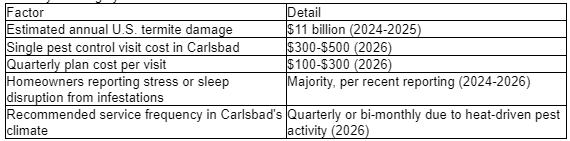
Homeowners generally land on one of three strategies, and each comes with honest tradeoffs rather than a single correct answer. Prevention-focused approaches rely on sealing entry points, managing moisture, and keeping landscaping trimmed back from the home's foundation. This method is low-cost and satisfying for design-minded homeowners because it blends into everyday maintenance, but it rarely stops an established infestation once pests have already moved in. Professional treatment, whether a single visit or a recurring quarterly plan, offers more reliable results against active problems, though it requires ongoing investment and a willingness to let a technician into your carefully arranged space a few times a year.
The third approach, smart monitoring technology such as sensor-based traps and moisture alarms, appeals to homeowners who want data before committing to treatment. These tools can flag early activity, but they do not eliminate pests on their own and work best paired with either prevention habits or professional service. None of these approaches is inherently superior; the right mix depends on your home's age, your climate, and how much hands-on maintenance you are realistically willing to do. Many homeowners in warmer regions end up combining all three, using prevention as the daily baseline, professional visits as the safety net, and monitoring as an early warning system.
Designing Your Home to Resist Pests: Intentional Spaces That Deter Infestations
Good design and good pest resistance actually share a lot of the same instincts: reduce clutter, manage airflow, and be intentional about what materials and openings exist in your walls, floors, and cabinetry. Open shelving looks beautiful in a kitchen, but it also means food storage needs to be airtight and disciplined, since pests are drawn to accessible crumbs and spills. Built-in furniture and cabinetry, popular in minimalist and neurodivergent-friendly layouts, can either help or hurt depending on whether gaps are sealed during installation. This is one of the areas where thinking about a closed loop home really pays off, because a home designed with fewer unintended gaps and more considered material choices, as explored in closed loop home design principles, naturally limits the pathways pests use to get inside.
Landscaping choices matter just as much as interior layout. Mulch beds pushed right up against exterior walls, dense ground cover near foundations, and standing water in decorative features all create inviting conditions for insects and rodents. Homeowners who want a lush, layered outdoor aesthetic can still achieve it by leaving a clear buffer zone between plantings and the home's exterior, and by choosing drainage-friendly hardscaping over water-retentive mulch near entry points. These are small adjustments that do not compromise the overall design vision but meaningfully reduce pest pressure over time.
Creating Calm After the Crisis: Restoring Safety and Comfort to Your Intentional Space
If an infestation has already happened, the recovery process is as much emotional as it is physical. Once pests are treated and cleared, many homeowners benefit from a deliberate reset: deep cleaning shared spaces, refreshing soft furnishings that may have absorbed odors or stress associations, and rearranging a room slightly so it feels distinct from the version that housed the problem. This is not about erasing the memory entirely, but about giving your nervous system new sensory cues that the space is safe again. Lighting changes, new textiles, or even repositioning furniture can help mark that transition psychologically.
Longer term, pairing a maintenance mindset with your design choices keeps both your home and your peace of mind protected. Scheduling regular inspections, especially in climates where heat drives near-constant pest activity, prevents the kind of slow-building anxiety that comes from wondering if a problem is quietly returning. Intentional design was never only about aesthetics, it was always about how a space makes you feel day to day. A home that is genuinely pest-free, supported by sound building choices and consistent professional oversight, gives that feeling room to actually take hold.