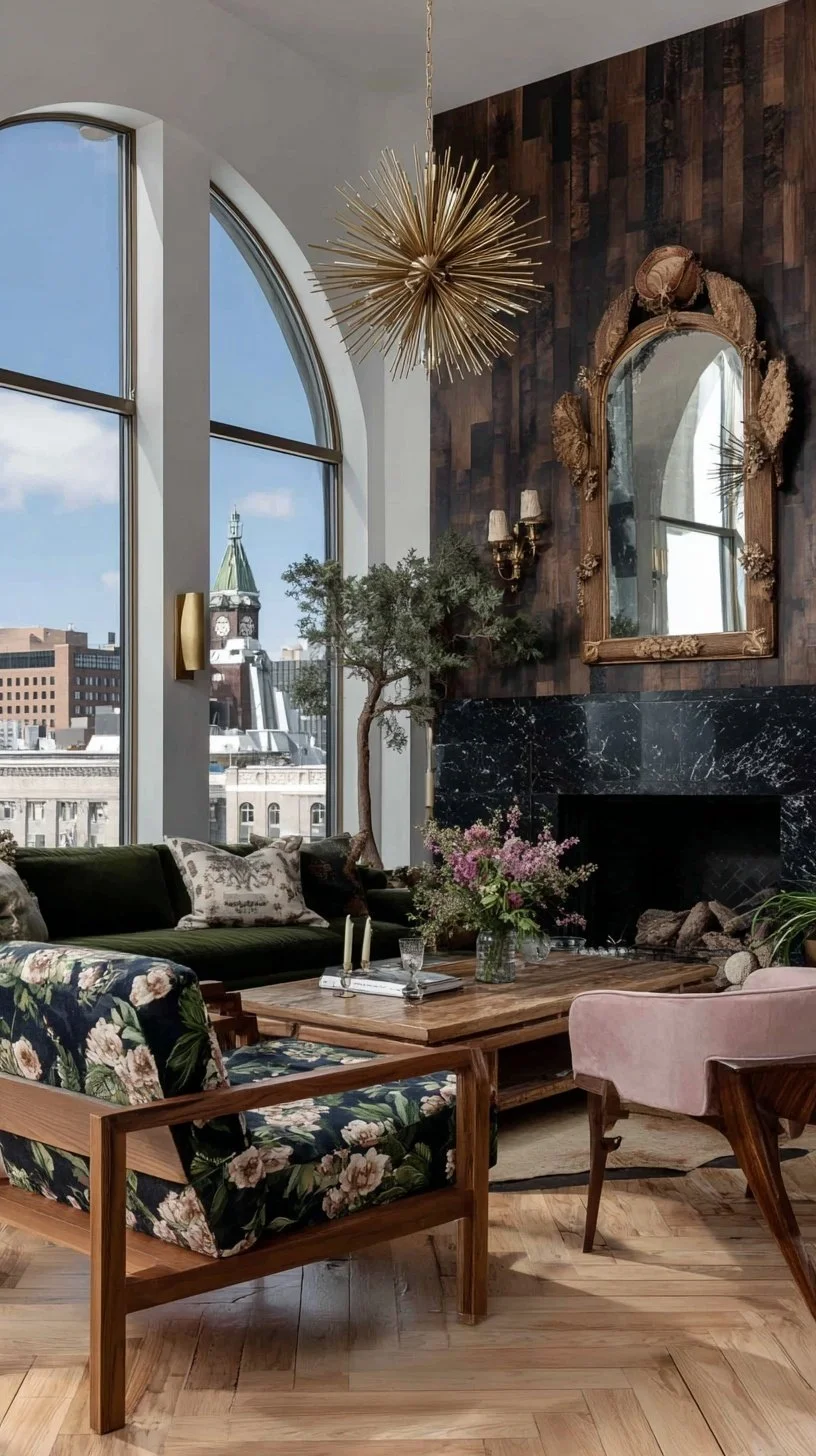
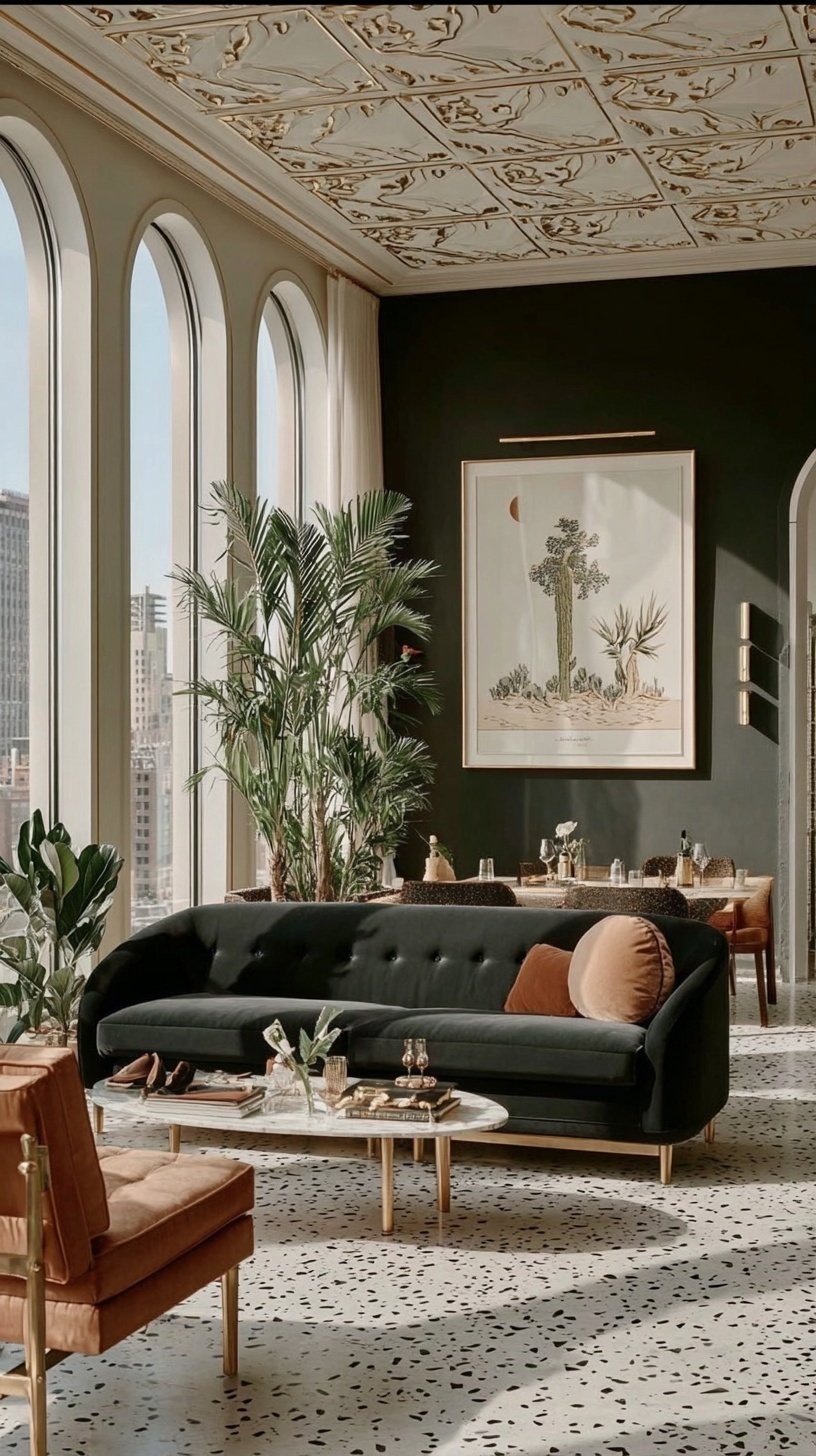
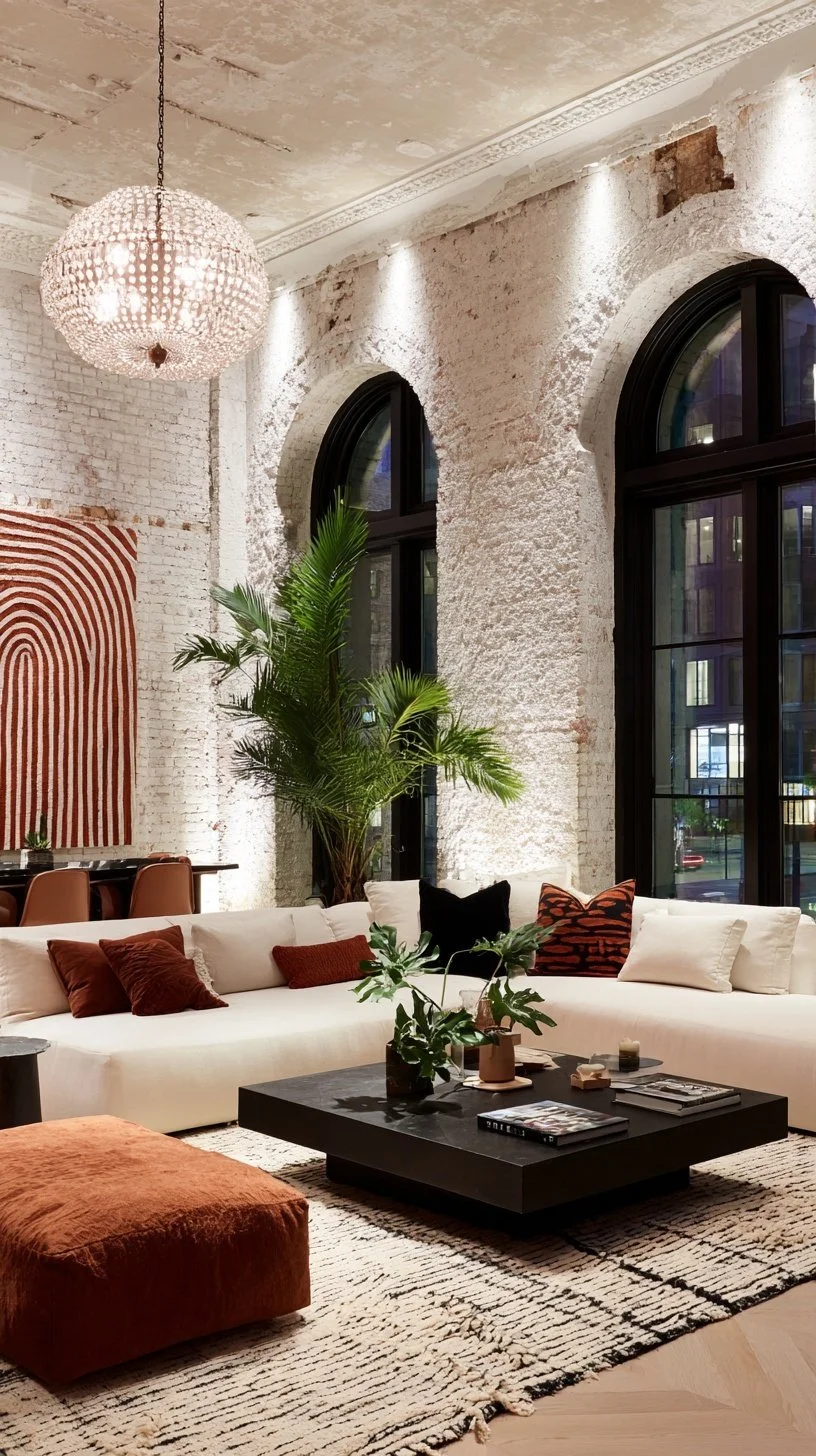
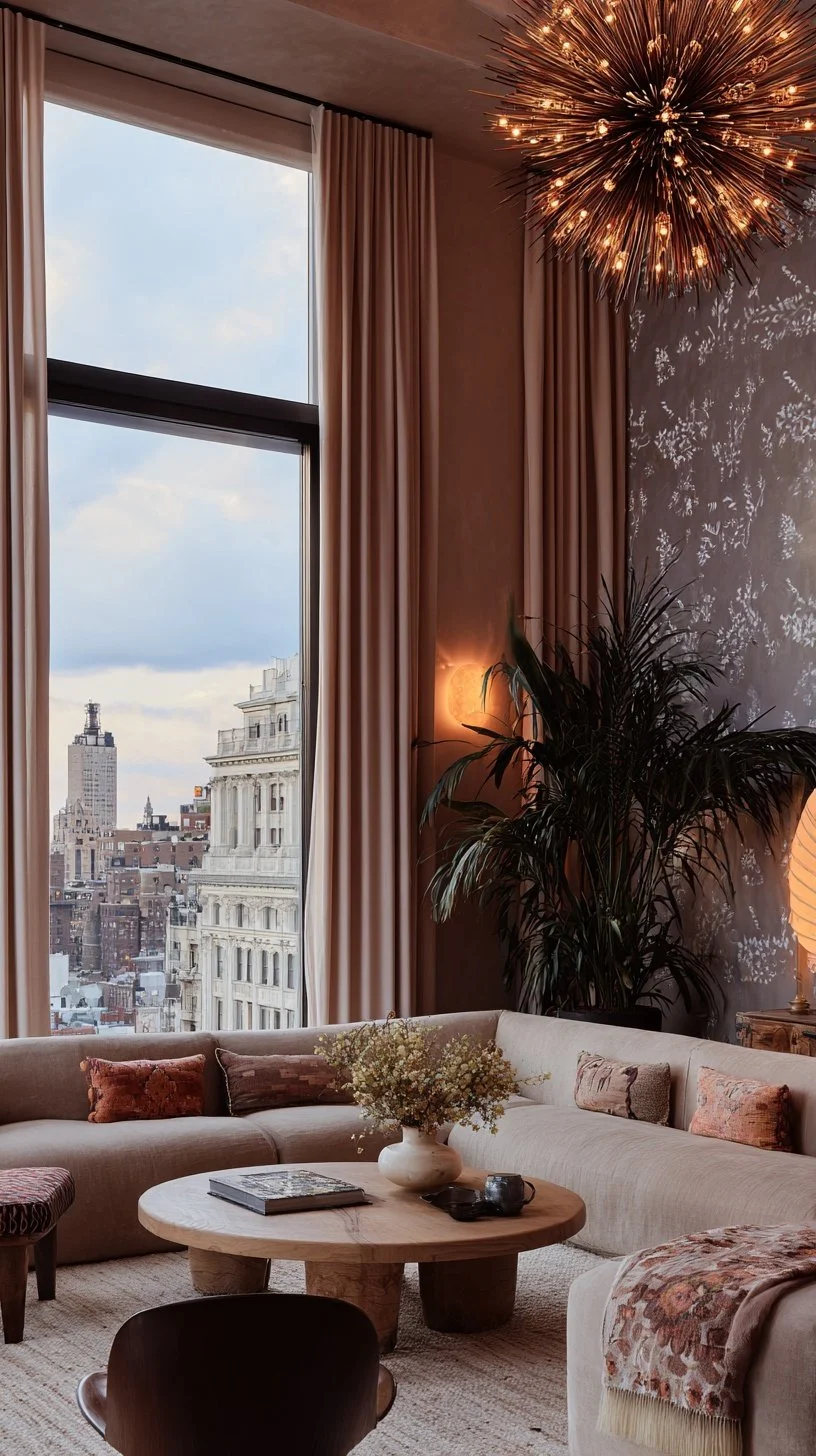
Why Your Home Still Doesn’t Feel Right (And How to Fix It Without Starting Over)
You’ve bought the rug.
You’ve changed the pillows.
You’ve repainted the wall.
And somehow…
It still doesn’t feel right.
Not cozy enough.
Not calm enough.
Not inspiring enough.
Not you.
If you’ve ever looked around your own home and thought:
“Why does this feel off?”
“Why don’t I love being in here?”
“Why doesn’t this feel like home yet?”
You are not bad at decorating.
You’ve just been taught the wrong system.
It’s Not Your Taste. It’s the Method You Were Given.
Most people are taught to decorate by copying.
Copy Pinterest.
Copy Instagram.
Copy showrooms.
Copy trends.
So they collect:
✔ A couch from one trend
✔ A rug from another
✔ Art from somewhere else
✔ Lighting from a sale
✔ Accessories from Target
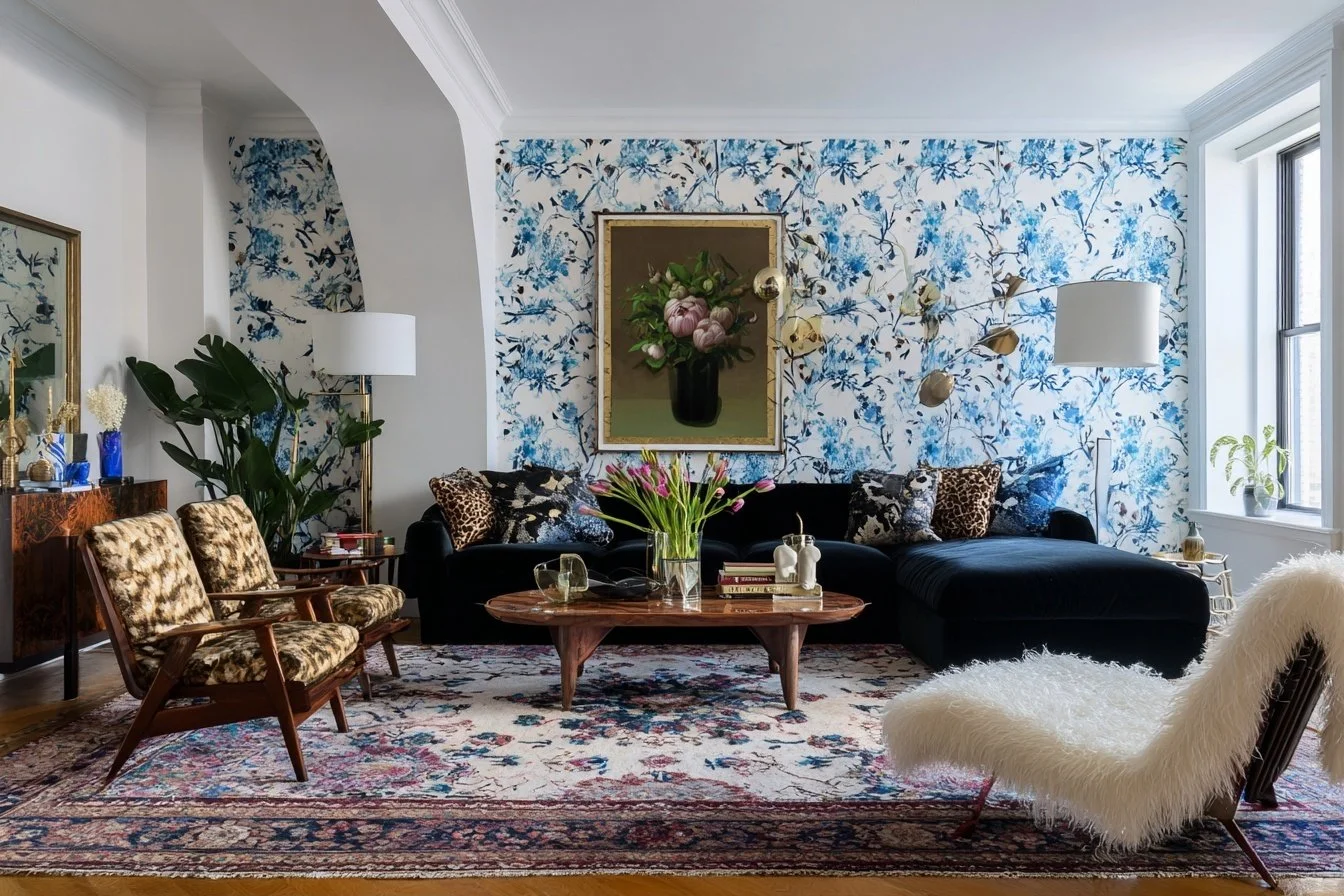
Individually, everything is “nice.”
Together, it feels disconnected.
Because no one taught you how to design around how you want to feel.

Why So Many Homes Feel “Off” (Even Beautiful Ones)
After working on hundreds of spaces, one pattern shows up again and again.
Homes feel wrong when they’re missing these four things:
1. No Emotional Anchor
There’s no central mood guiding the space.
Is this room meant to feel:
Calm? Energizing? Romantic? Creative? Grounded?
Most spaces don’t know. So they feel confused.
2. No Visual Hierarchy
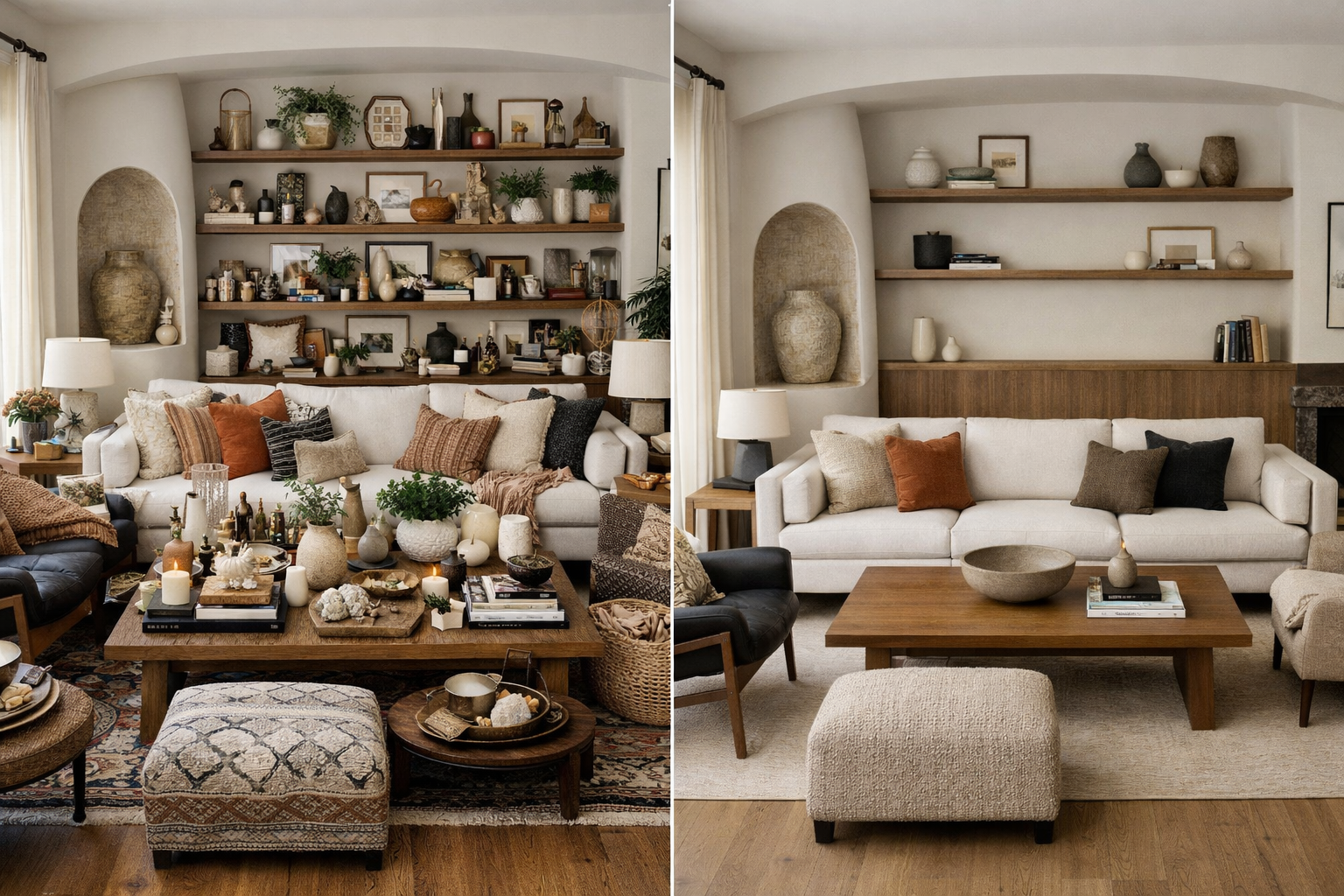
Everything is shouting.
Nothing is leading.
Your eye doesn’t know where to rest.
3. No Rhythm
Materials, colors, and shapes aren’t repeating with intention.
So the space feels scattered.
4. No Editing
Too much is happening.
Even “good” things become noise when there’s no curation.
This isn’t about minimalism.
It’s about clarity.
Why Trends Don’t Fix This Problem
Trends give you ingredients.
They don’t give you a recipe.
You can buy:
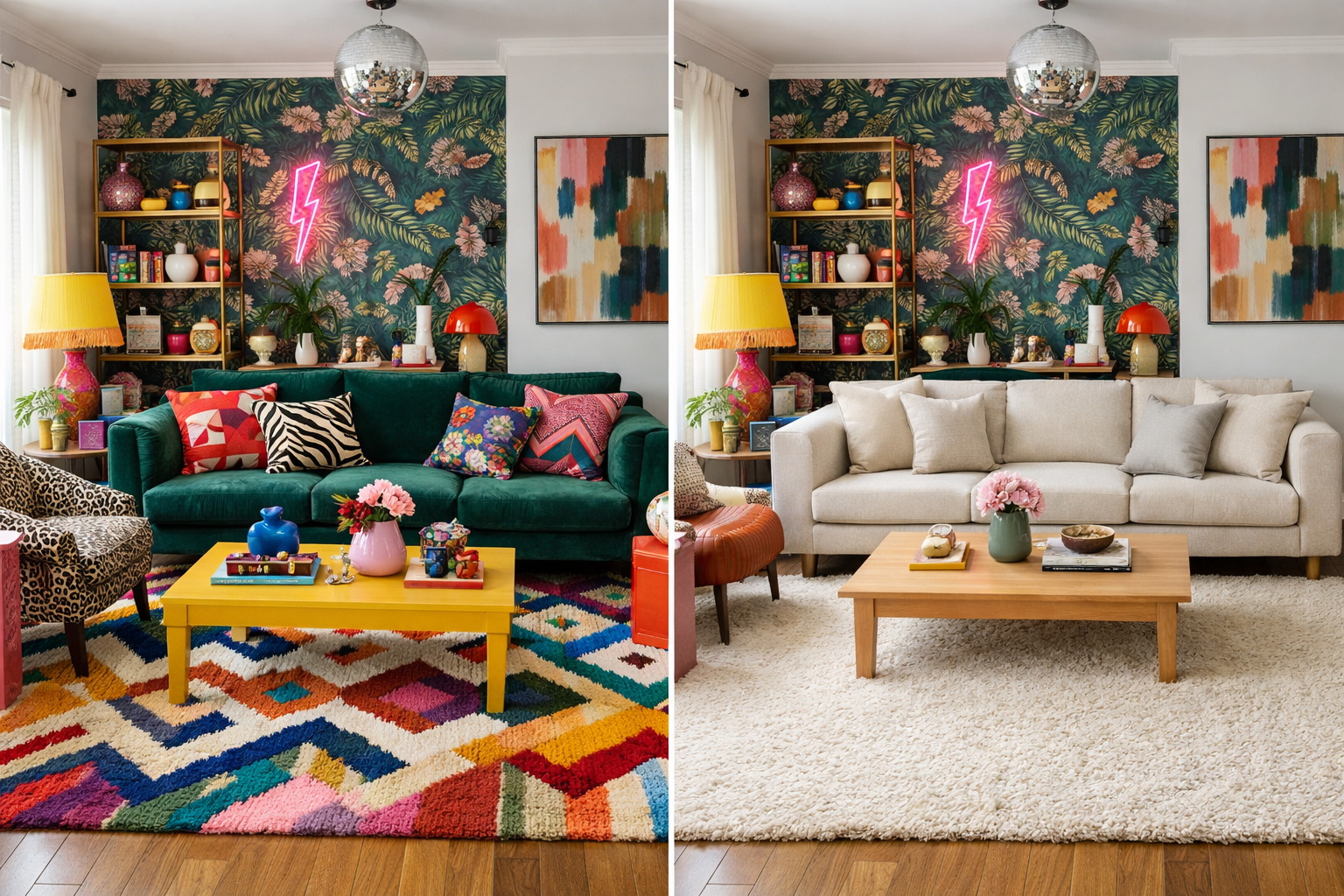
✔ The trending sofa
✔ The viral wallpaper
✔ The “designer-approved” paint color
And still feel disconnected in your own home.
Because trends don’t know your nervous system.
They don’t know your history.
They don’t know your lifestyle.
They don’t know your emotional needs.
You do.
You just weren’t taught how to translate that into design.
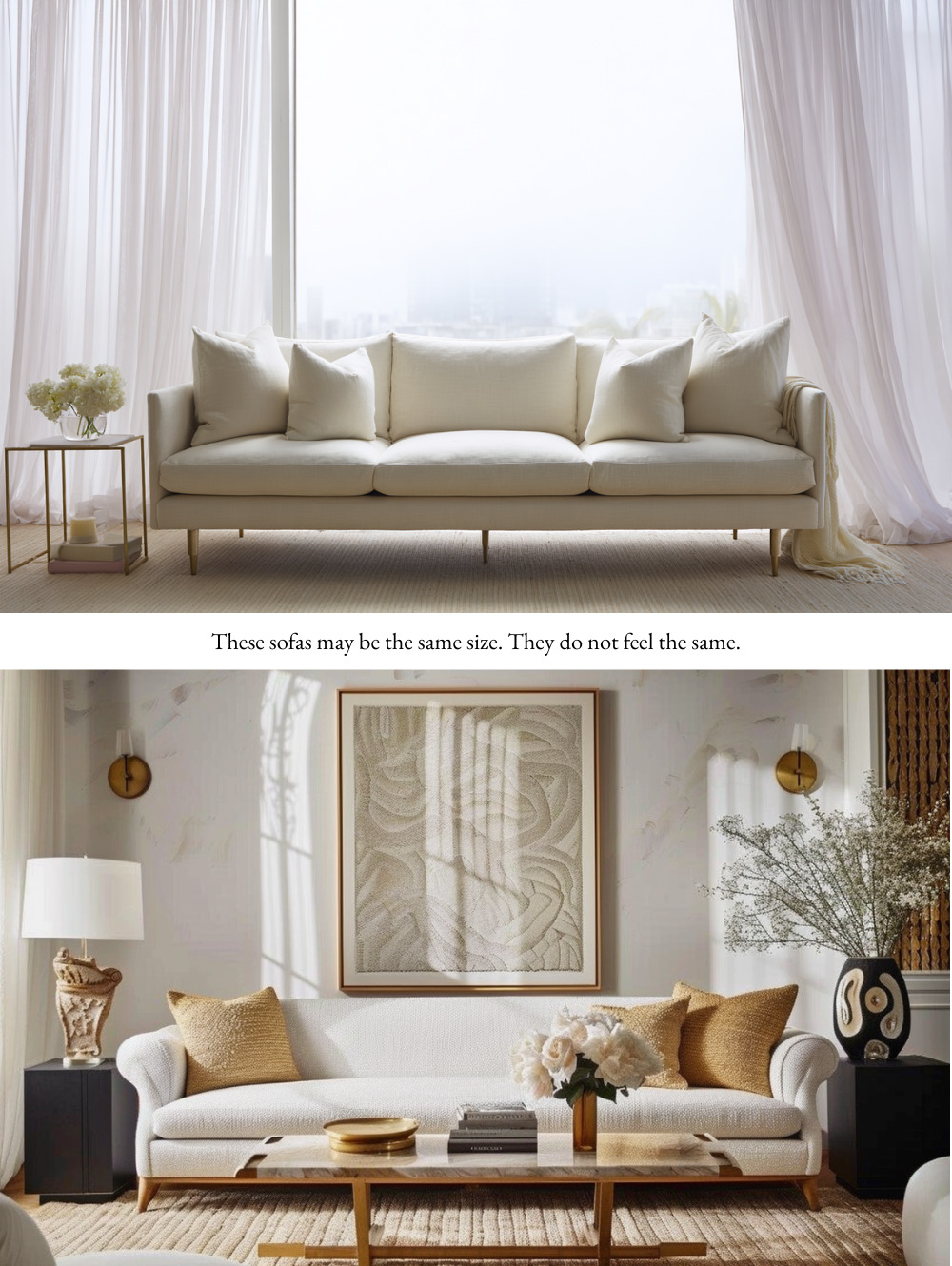
The Vibe Curator Approach: Designing From the Inside Out
This is why I created The Vibe Curator Method.
Instead of starting with furniture, it starts with feeling.
Before choosing anything, you clarify:
• How do I want to feel in this space?
• What drains me here right now?
• What supports me emotionally?
• What do I need more of?
• What do I need less of?
From there, every design choice becomes intentional.
Not random.
Not trend-driven.
Not impulsive.
Aligned.
Three Simple Fixes You Can Try Today
Before you buy anything new, try this.

1. The Anchor Rule
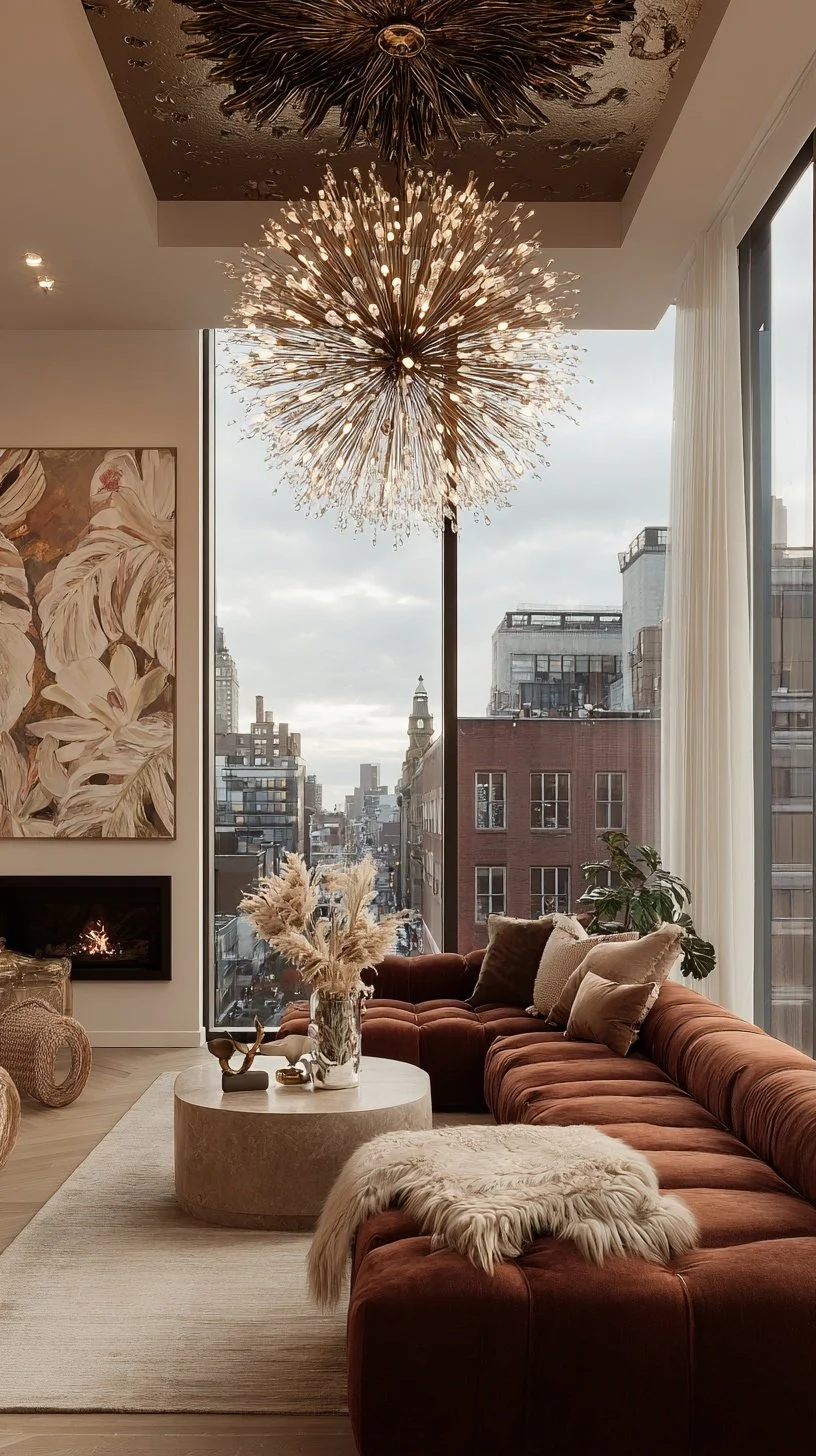
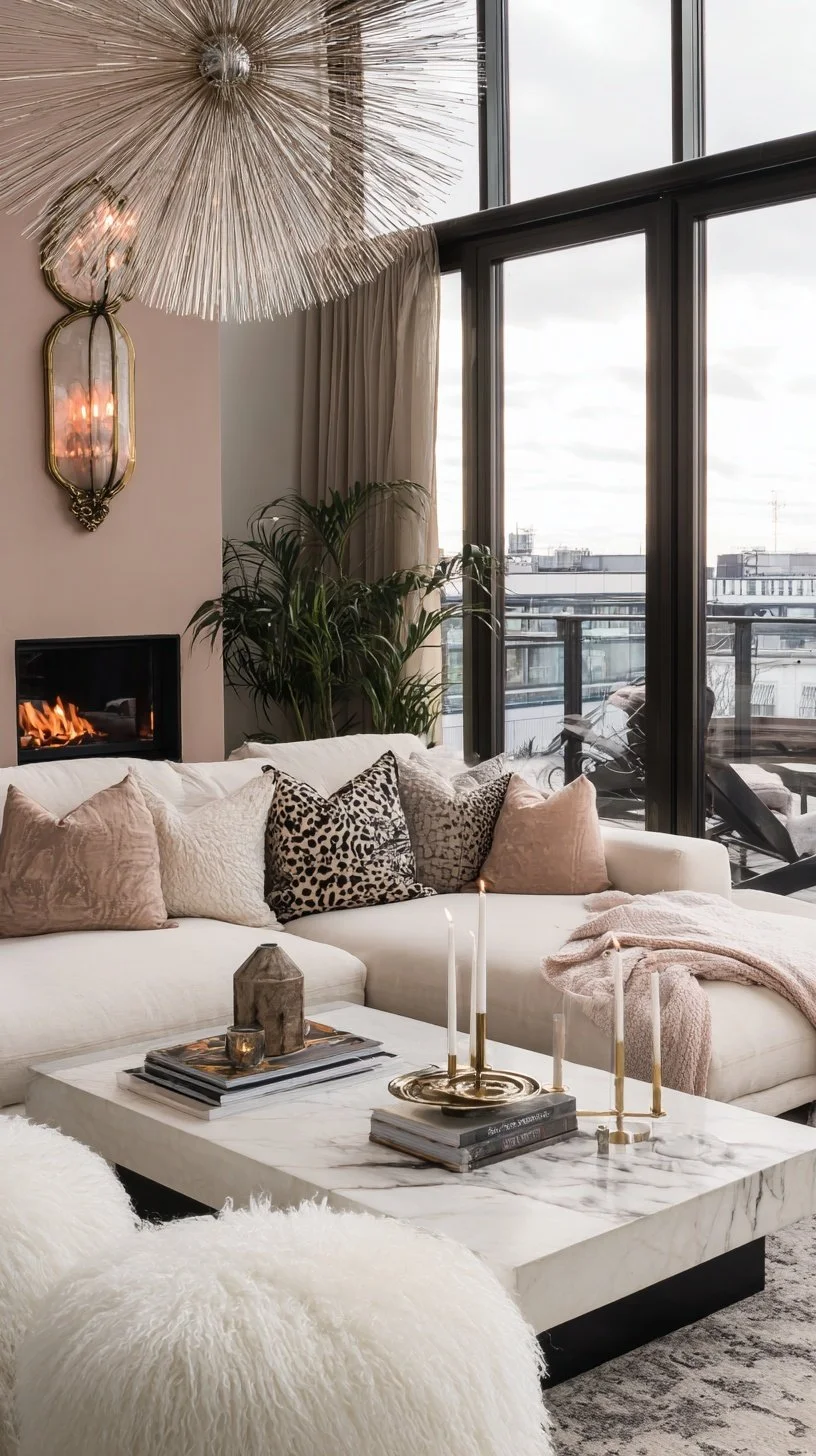
Every room needs one emotional anchor.
It could be:
A sofa
A bed
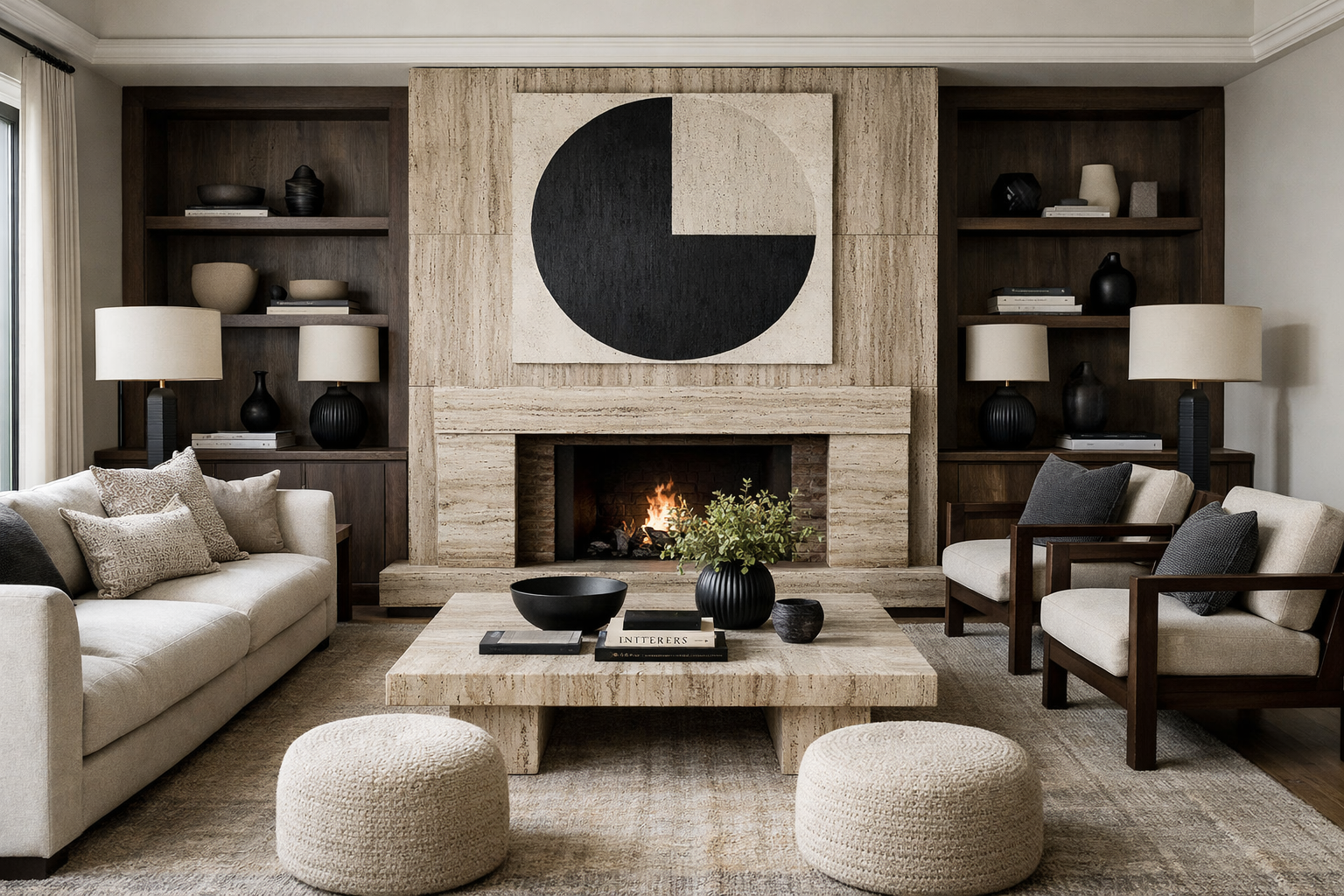
A fireplace
A statement rug
A view
A piece of art
This is the “heart” of the space.
Everything else supports it.
If you don’t know your anchor, the room will always feel unstable.
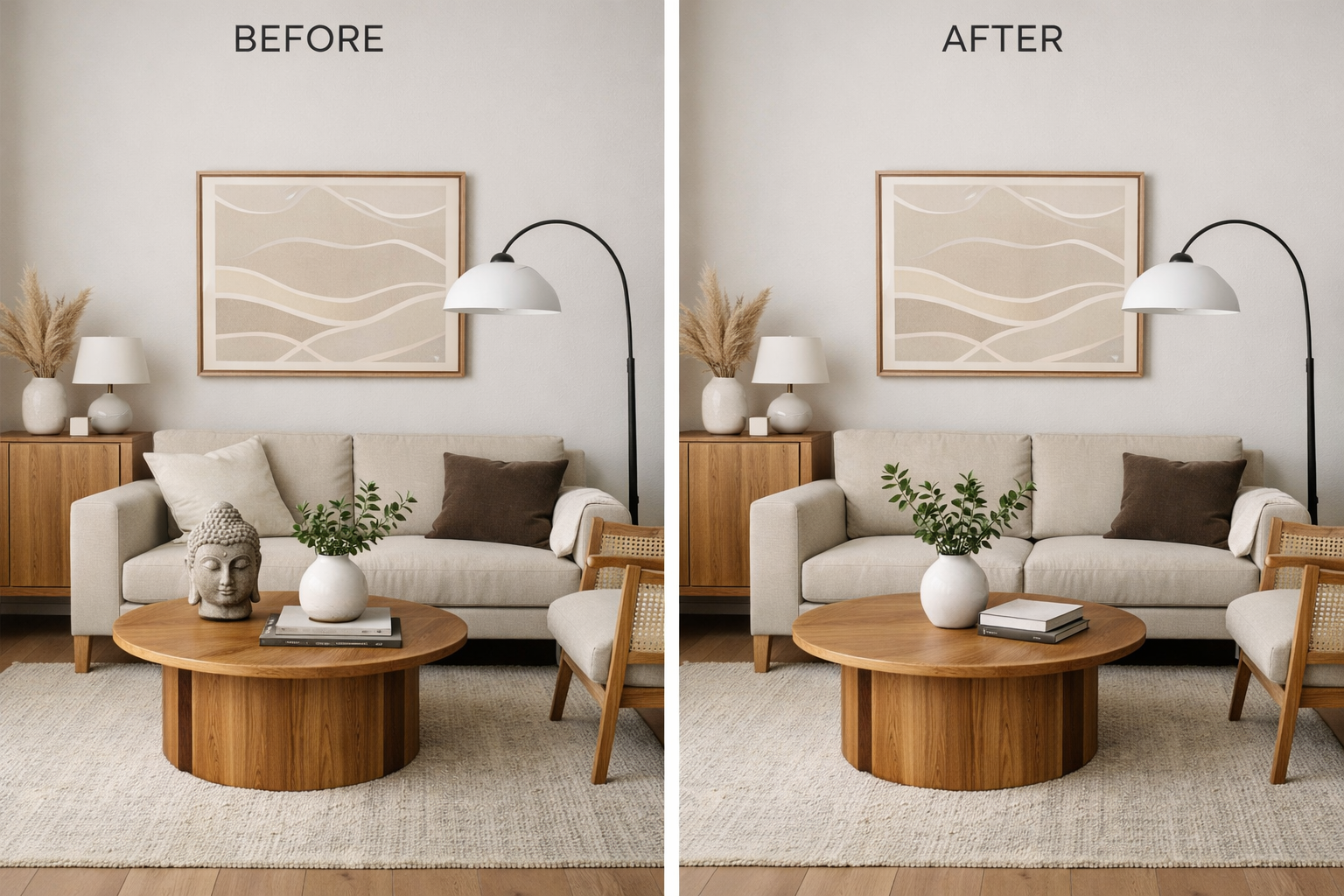
2. The Remove-One-Thing Rule
Look around the room.
Remove one item that doesn’t belong emotionally.
Not because it’s ugly.
Because it doesn’t match the mood.
Instant relief.
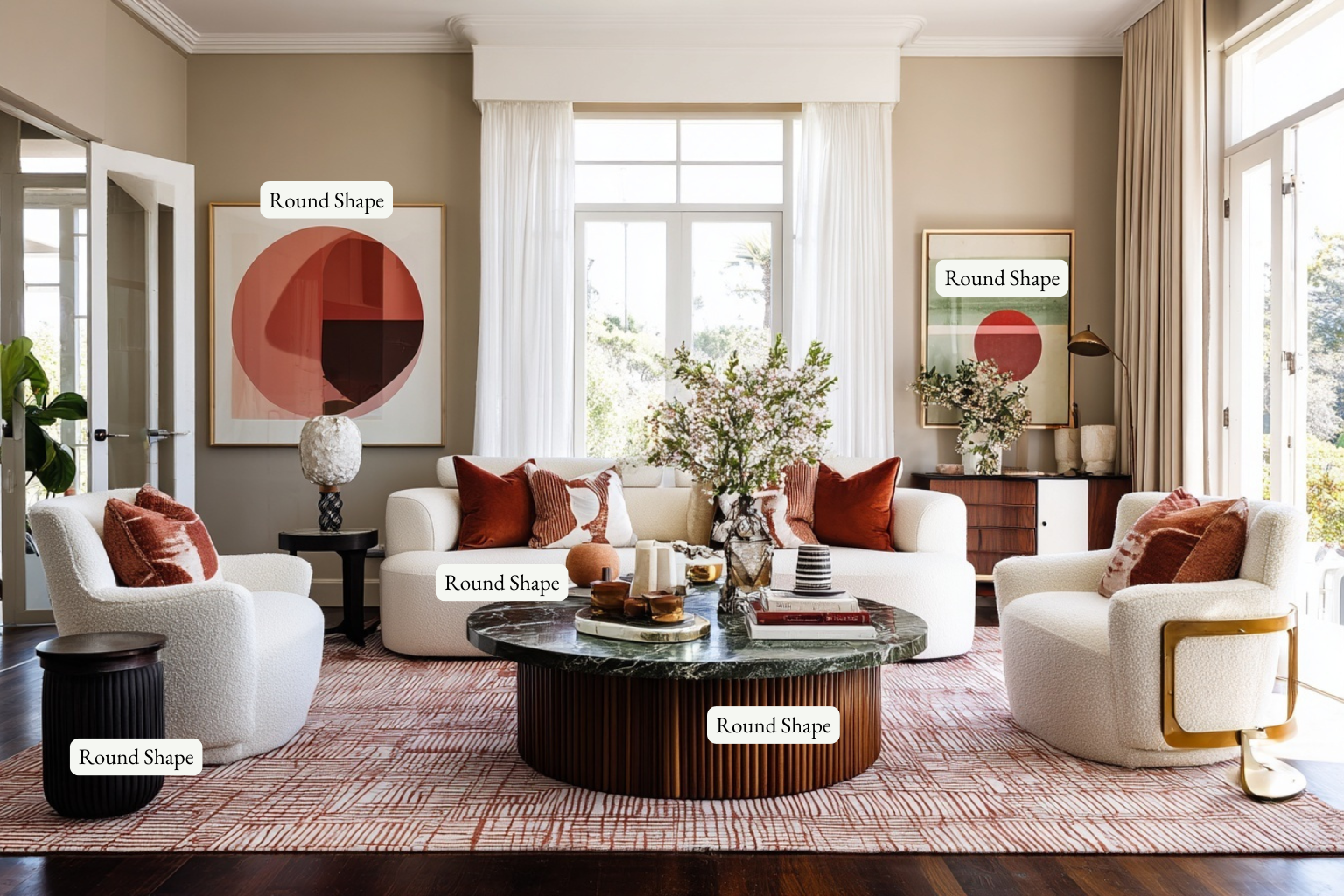
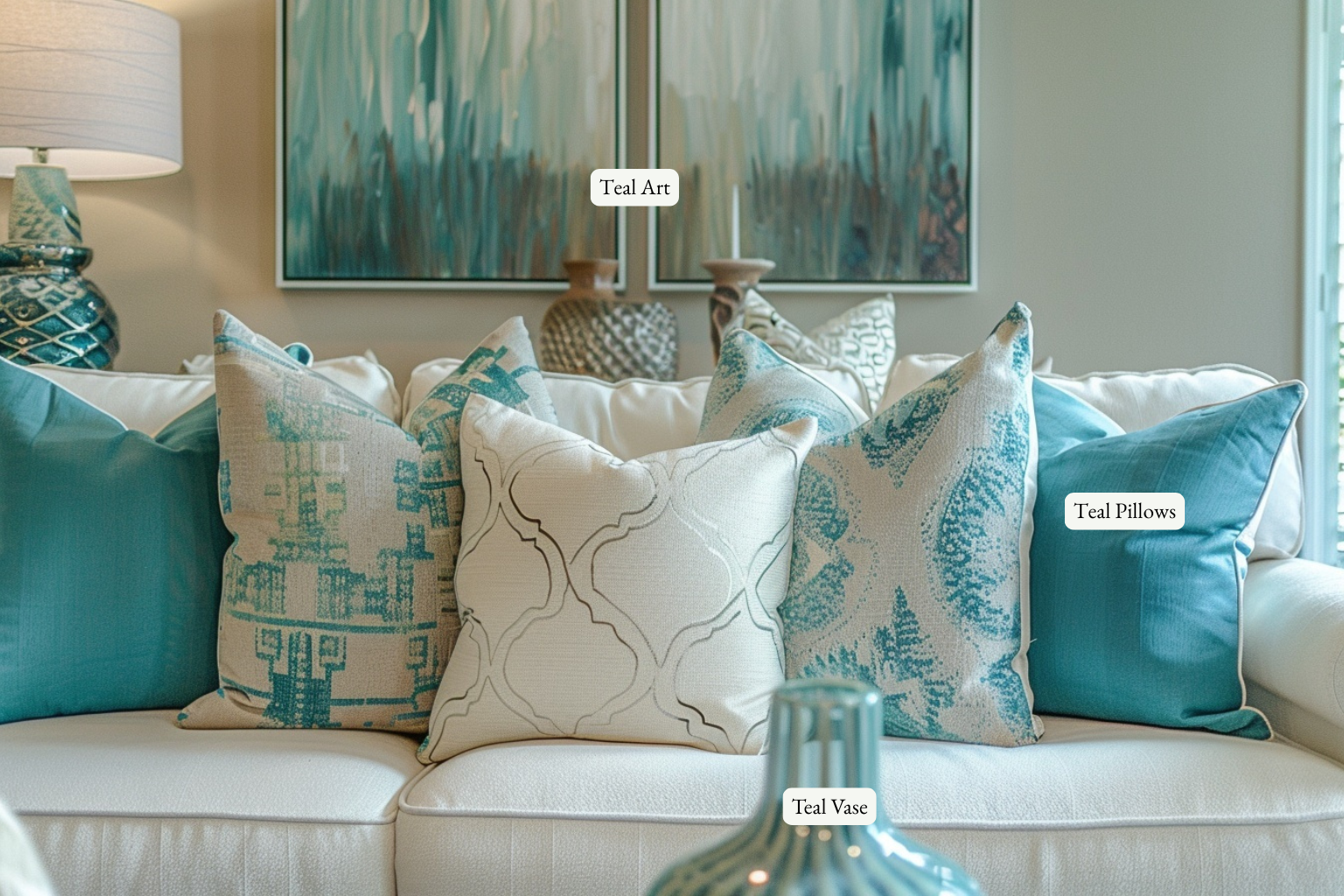

3. The Repeat-Three Rule
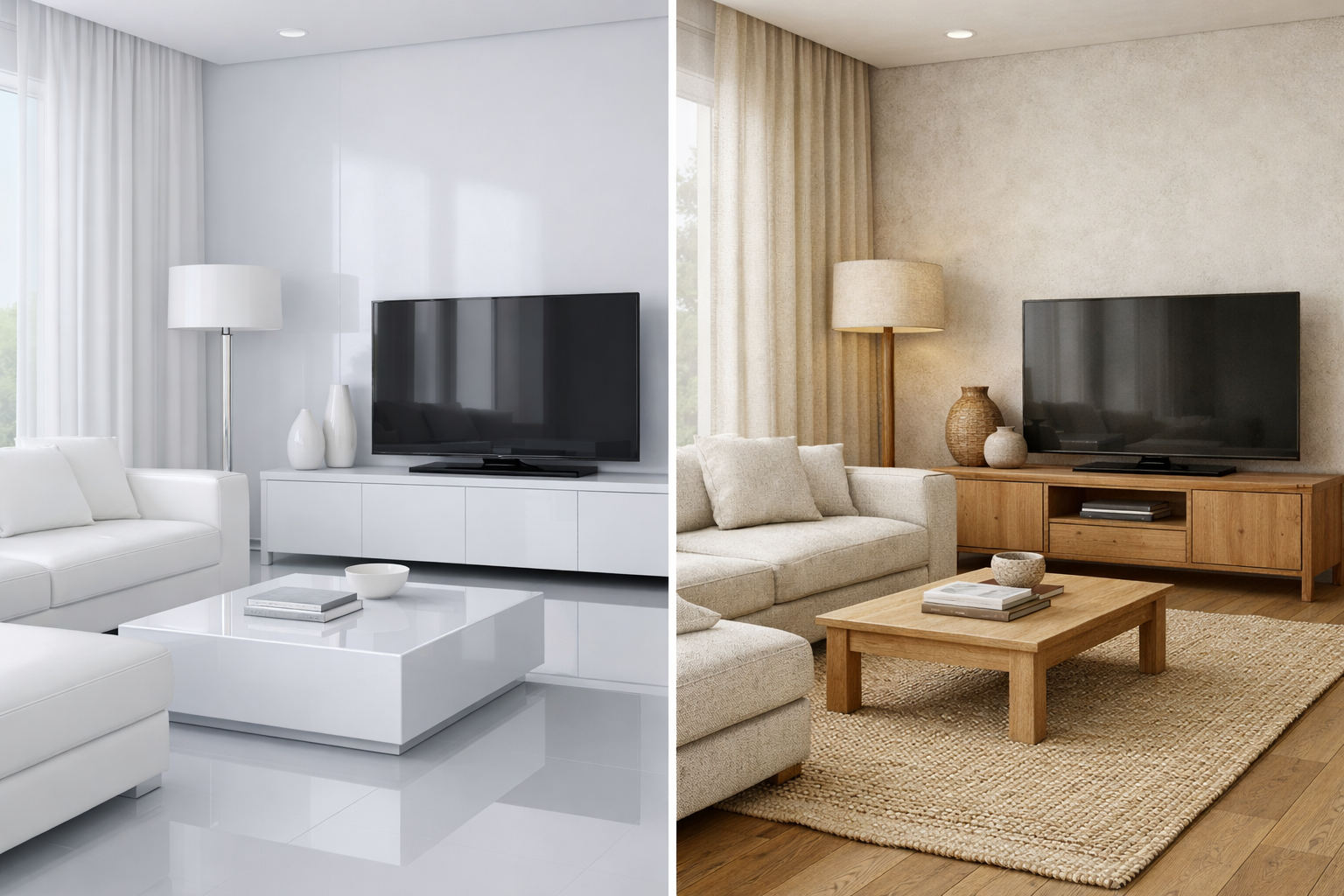
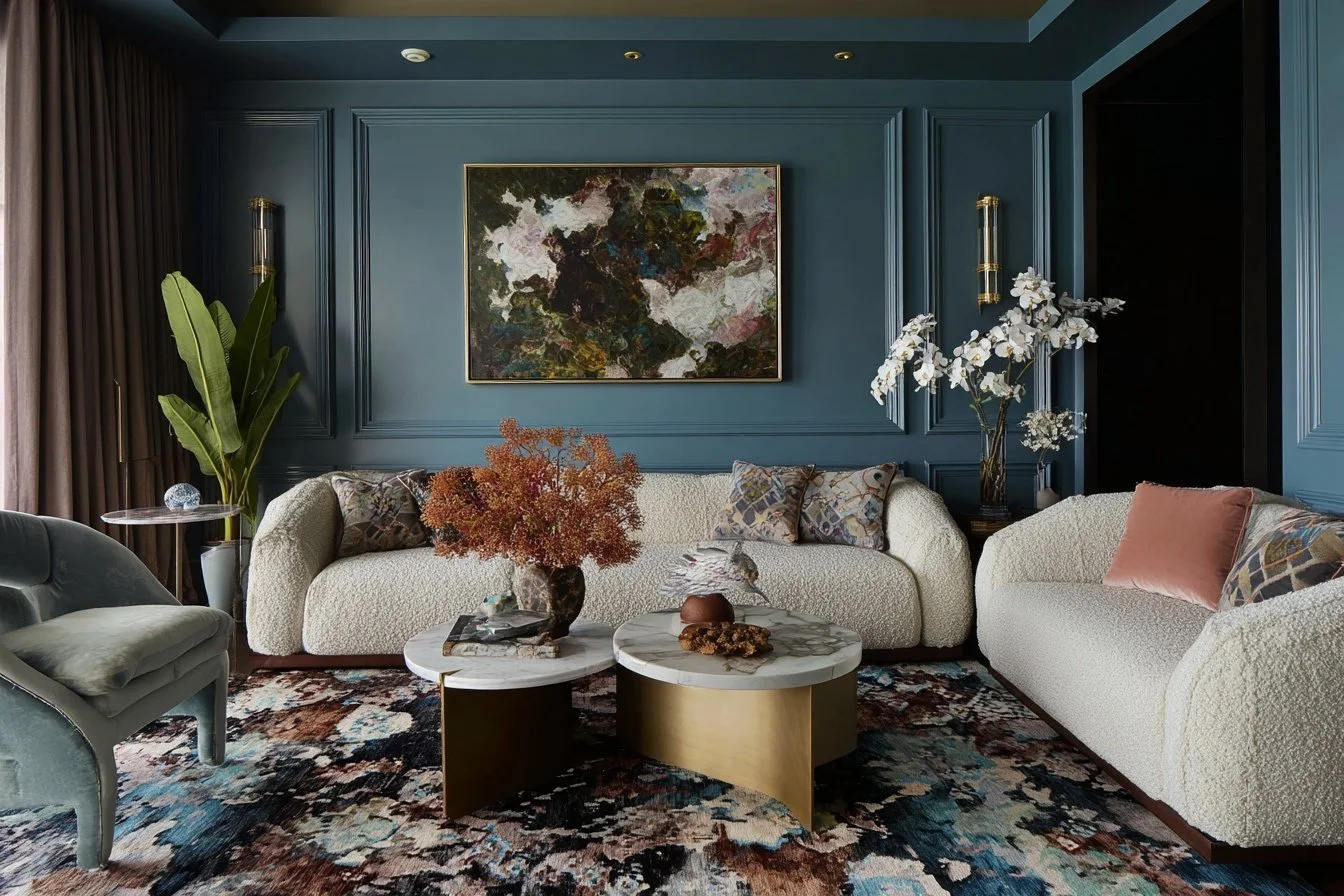
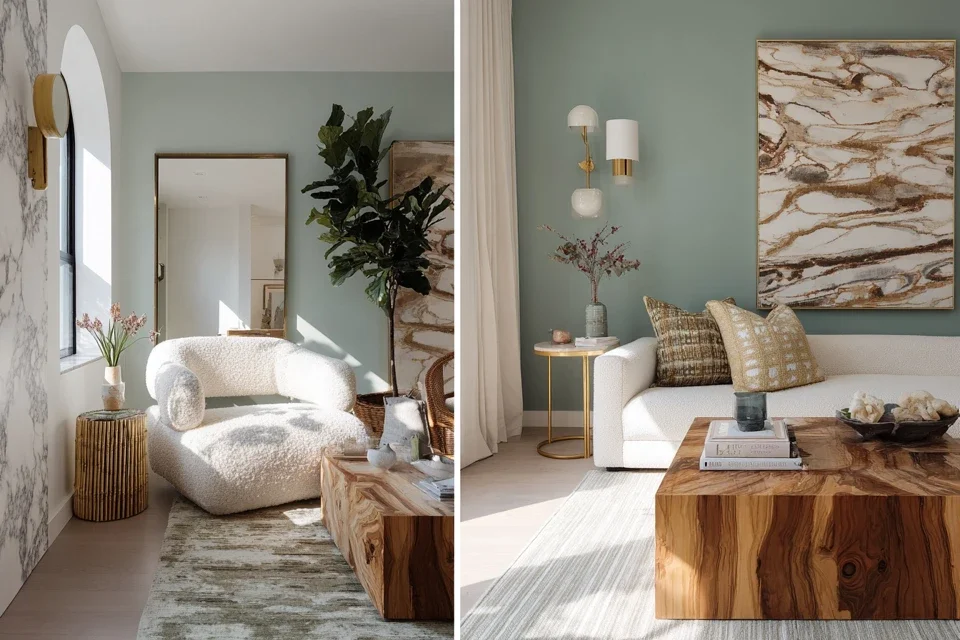
Choose one material, color, or shape and repeat it three times.
Example:
• Wood
• Brass
• Curves
• Green
• Linen
This creates subconscious harmony.
Your brain relaxes when it sees rhythm.
Why “Feeling at Home” Is a Nervous System Issue
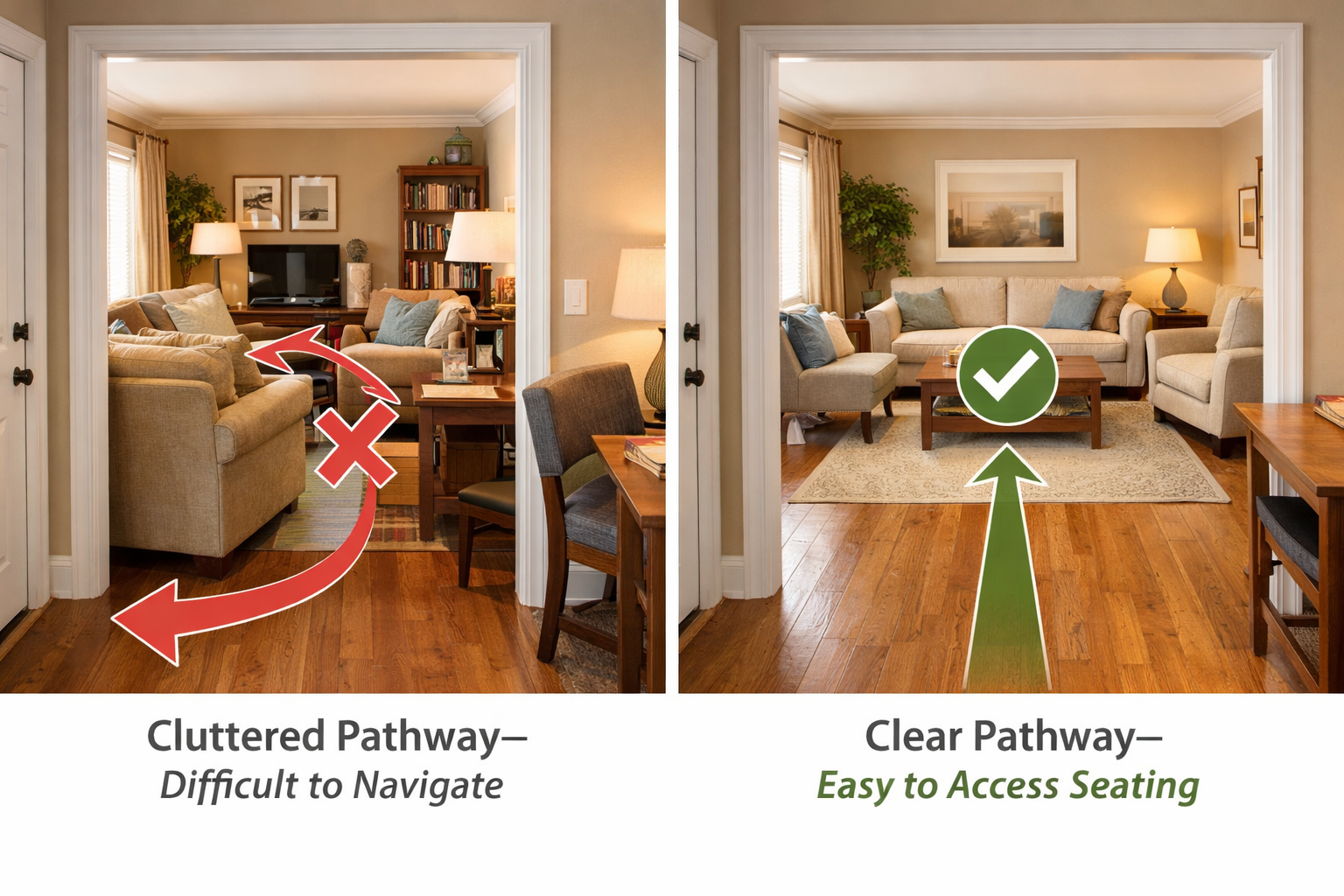
Simple things like having to consider a pathway adds micro-stresses to your home experience. Having clear and obvious paths actually create more ease physiologically.
This might surprise you:
Your home affects your stress levels.
Lighting, clutter, scale, texture, and layout all signal safety or tension to your body.
When a space is chaotic:
You stay slightly on edge.
When a space is coherent:
You soften.
That’s not aesthetic.
That’s biology.
A well-designed home supports your nervous system.
That’s why some spaces feel like exhale.
And others don’t.
If This Made Something Click, Here’s Your Next Step
If you’re realizing:
“I’ve been decorating without a system,”
“I’ve been buying without intention,”
“I’ve been guessing instead of designing,”
Then The Vibe Curator’s Guide was created for you.
Inside the guide, I walk you through:
✔ How to identify your personal design psychology
✔ How to define your emotional home language
✔ How to curate instead of collect
✔ How to edit without losing personality
✔ How to build cohesive spaces on any budget
✔ How to design for peace, confidence, and identity
It’s not a lookbook.
It’s a framework.
You can explore it here:
👉 The Vibe Curator’s Guide to Interior Design
Your Home Isn’t Broken. It’s Just Untranslated.
Your home doesn’t feel wrong because you failed.
It feels wrong because no one taught you how to translate who you are into space.
Once you learn that language, everything changes.
Design becomes intuitive.
Shopping becomes easier.
Editing becomes empowering.
Living becomes lighter.
That’s what intentional design feels like.
And you deserve that.
✨ Want help turning this into a full visual system? Browse The Vibe Curator’s Guide and start designing from the inside out.