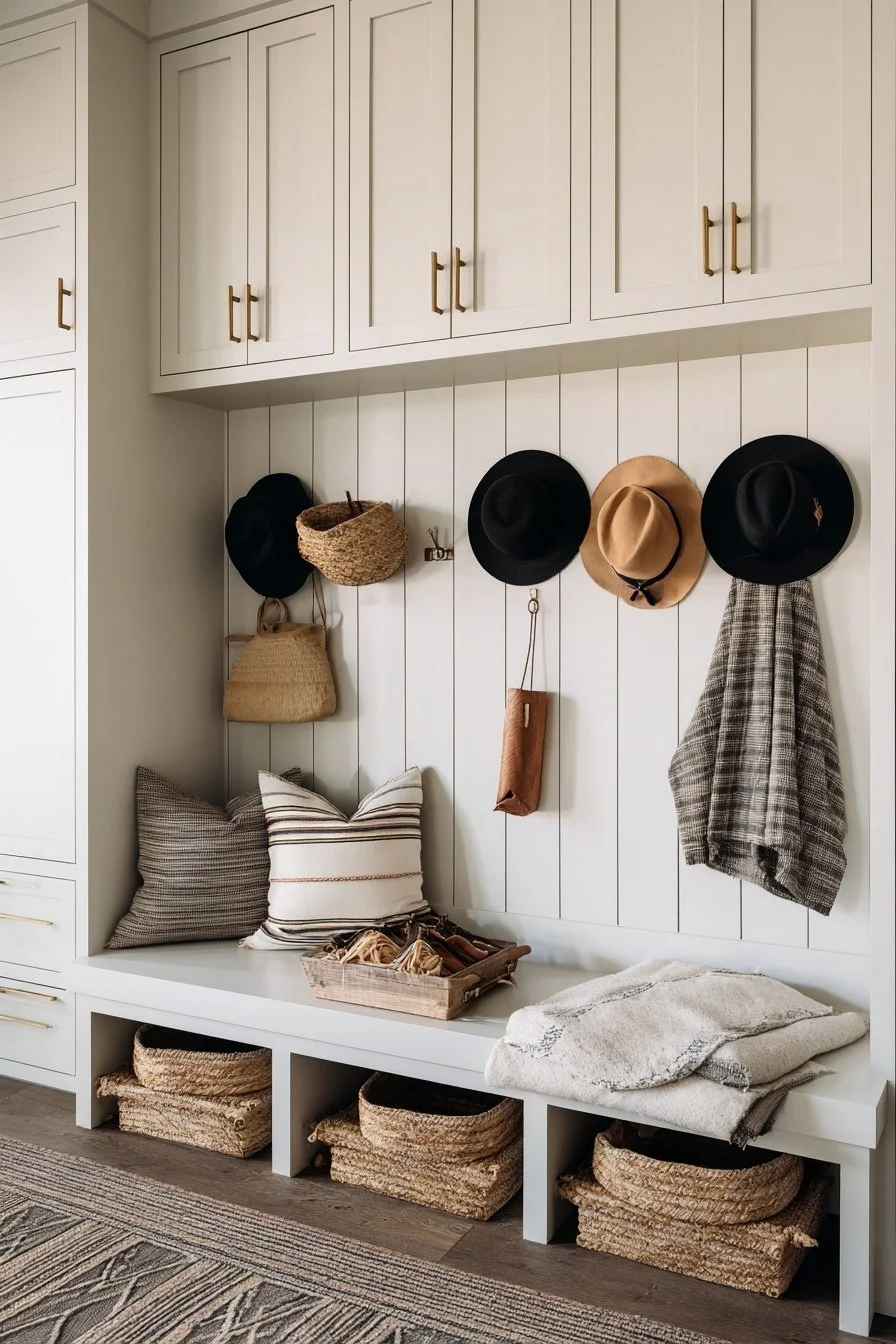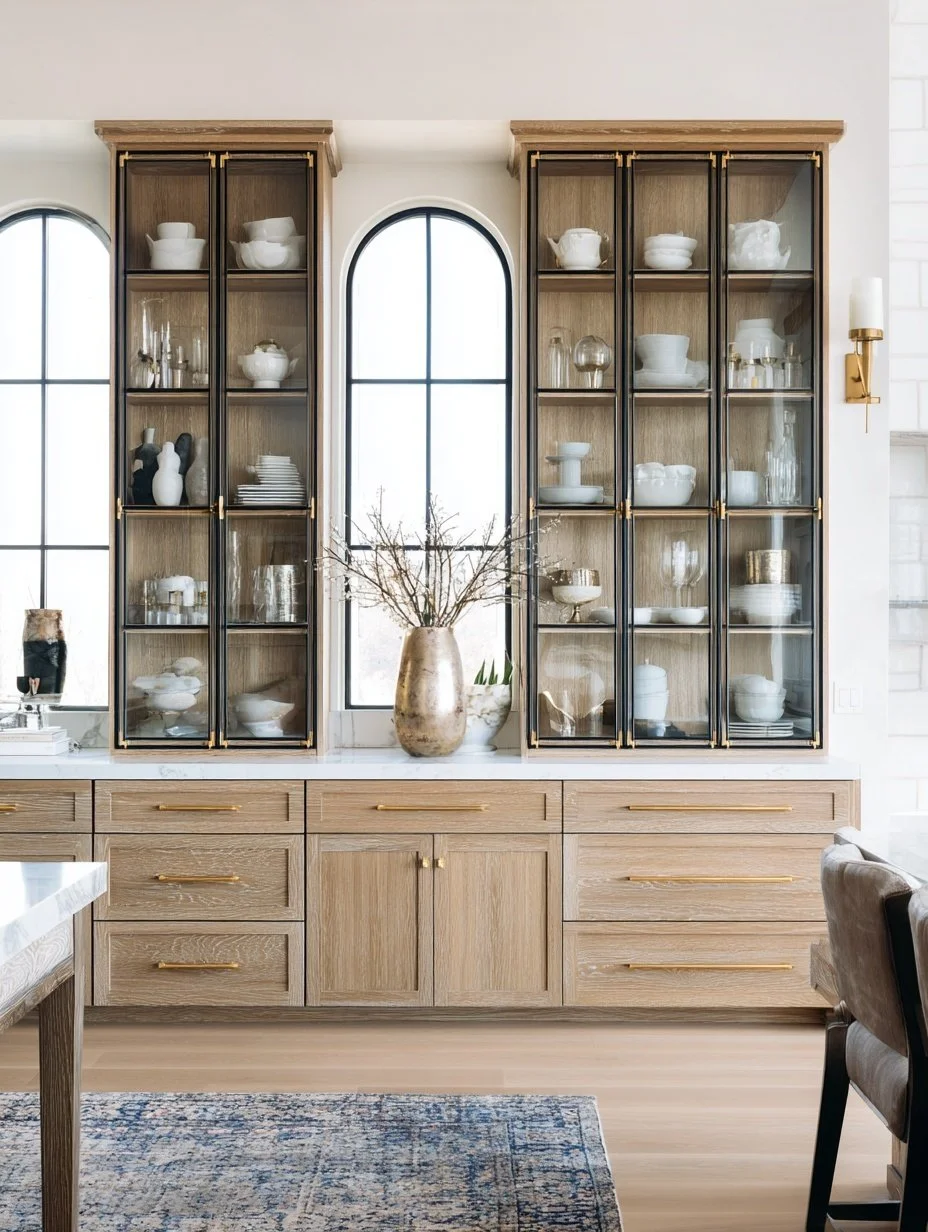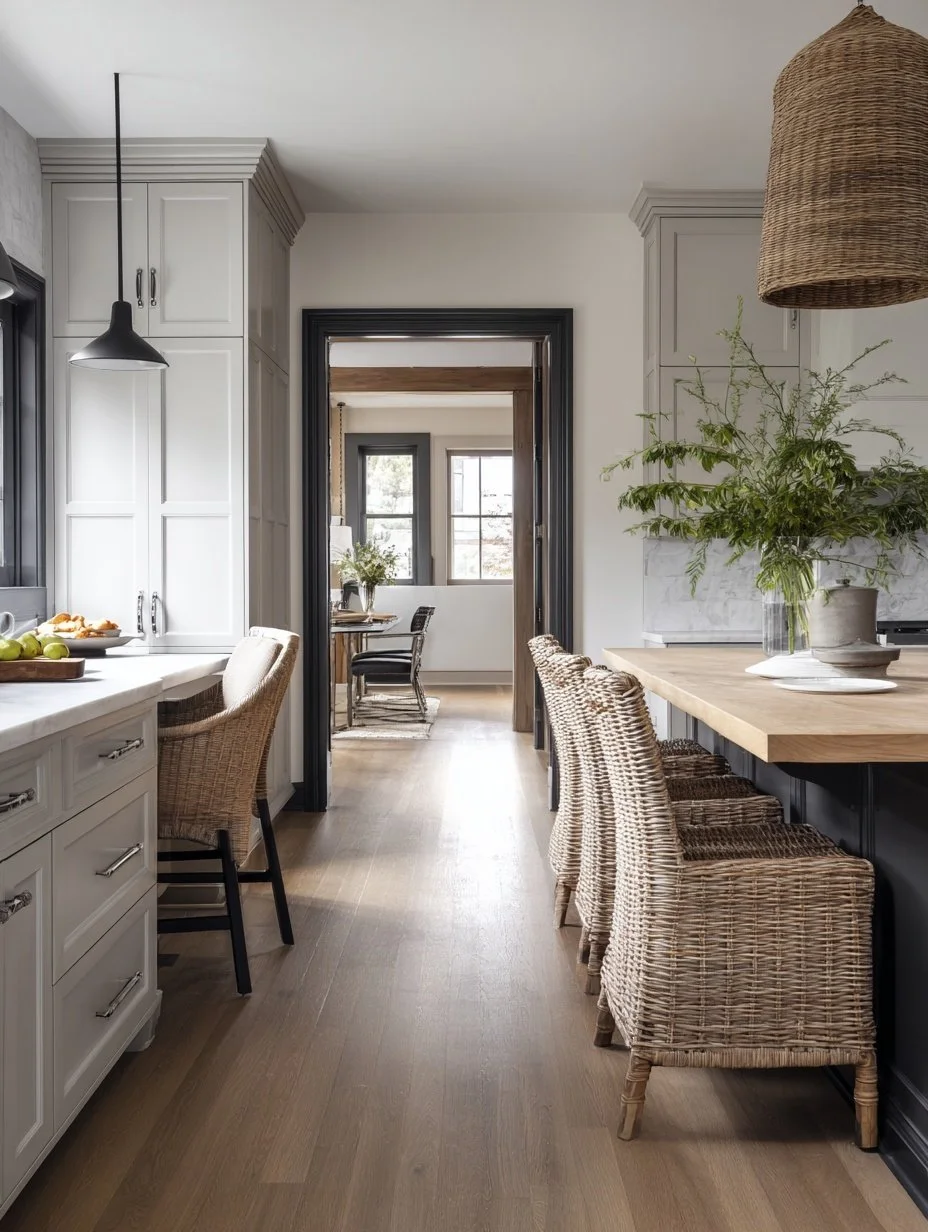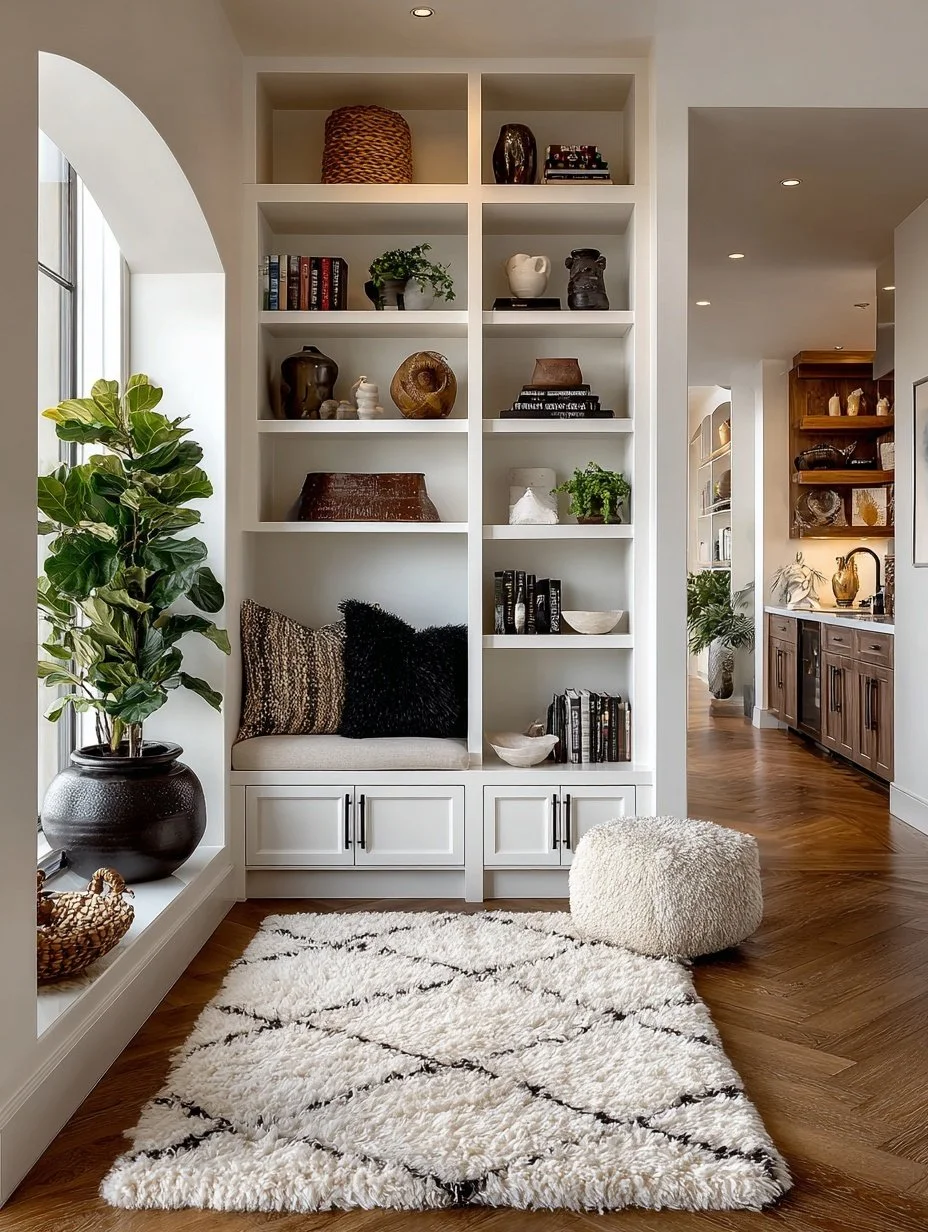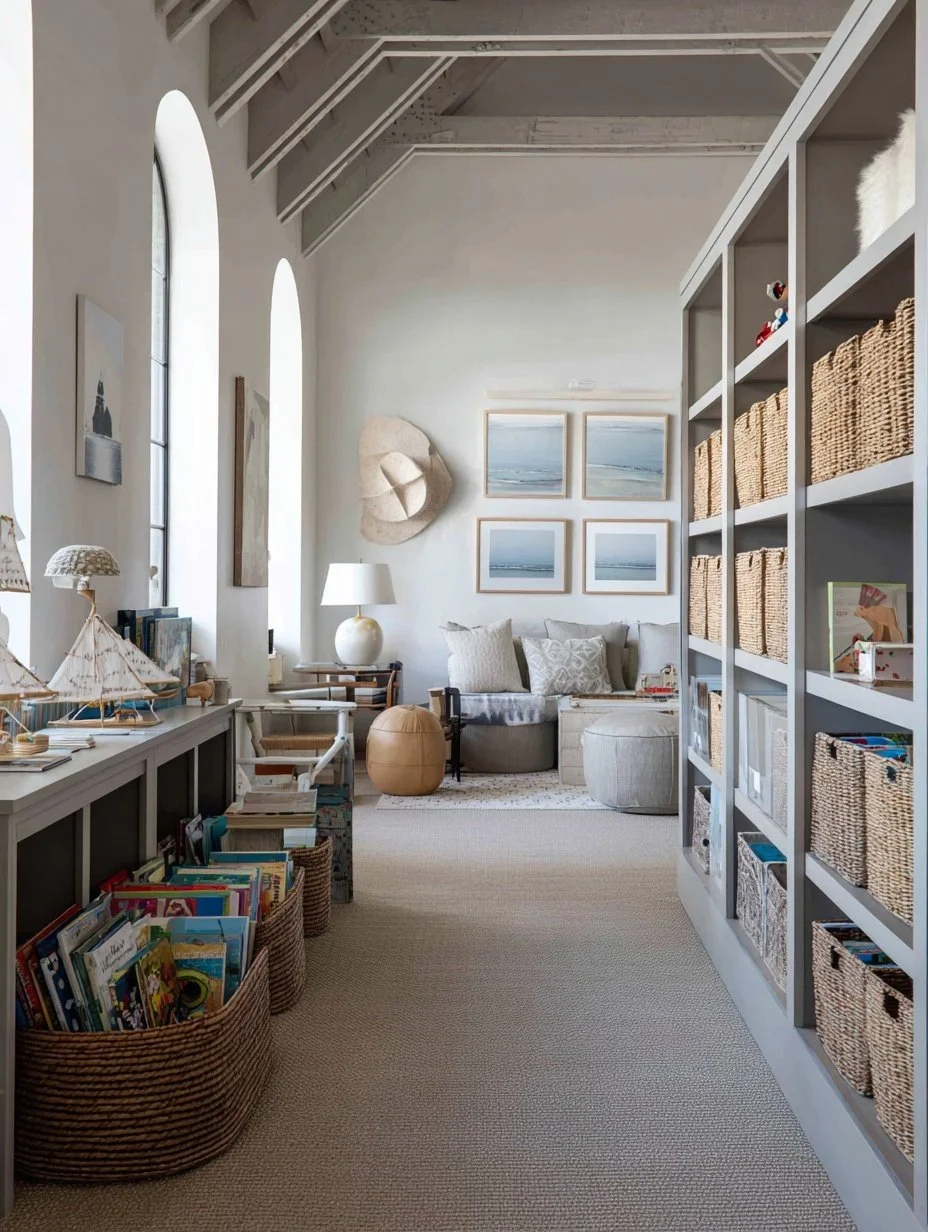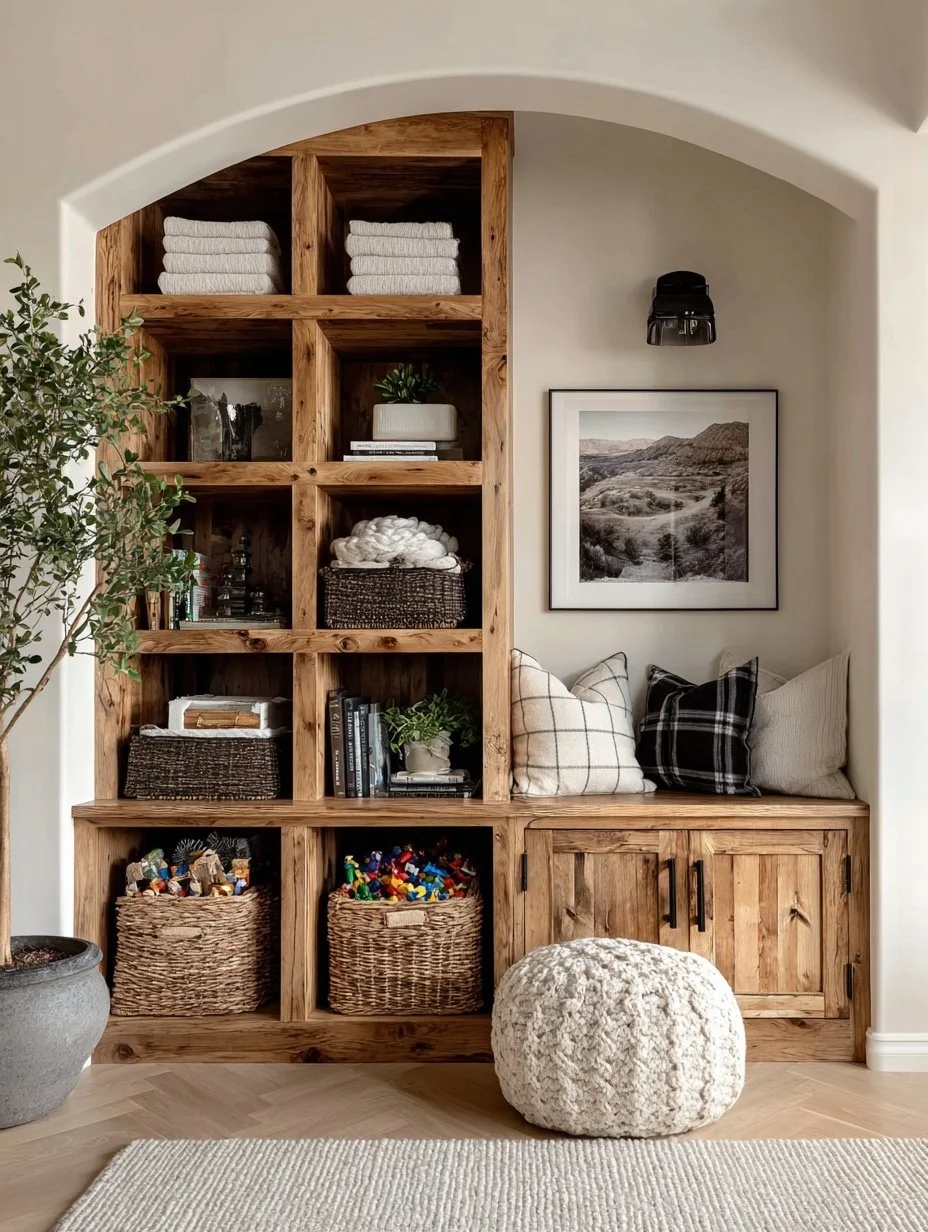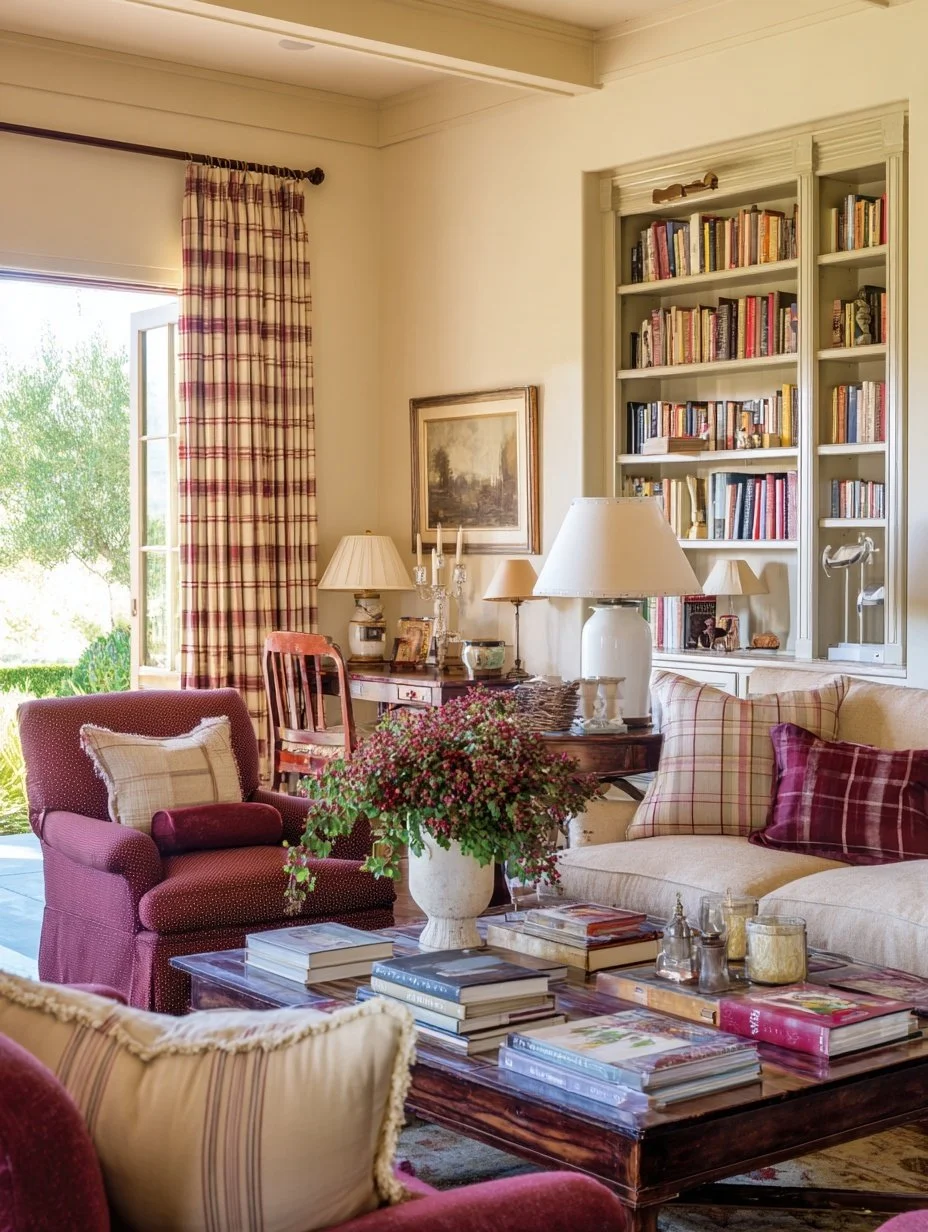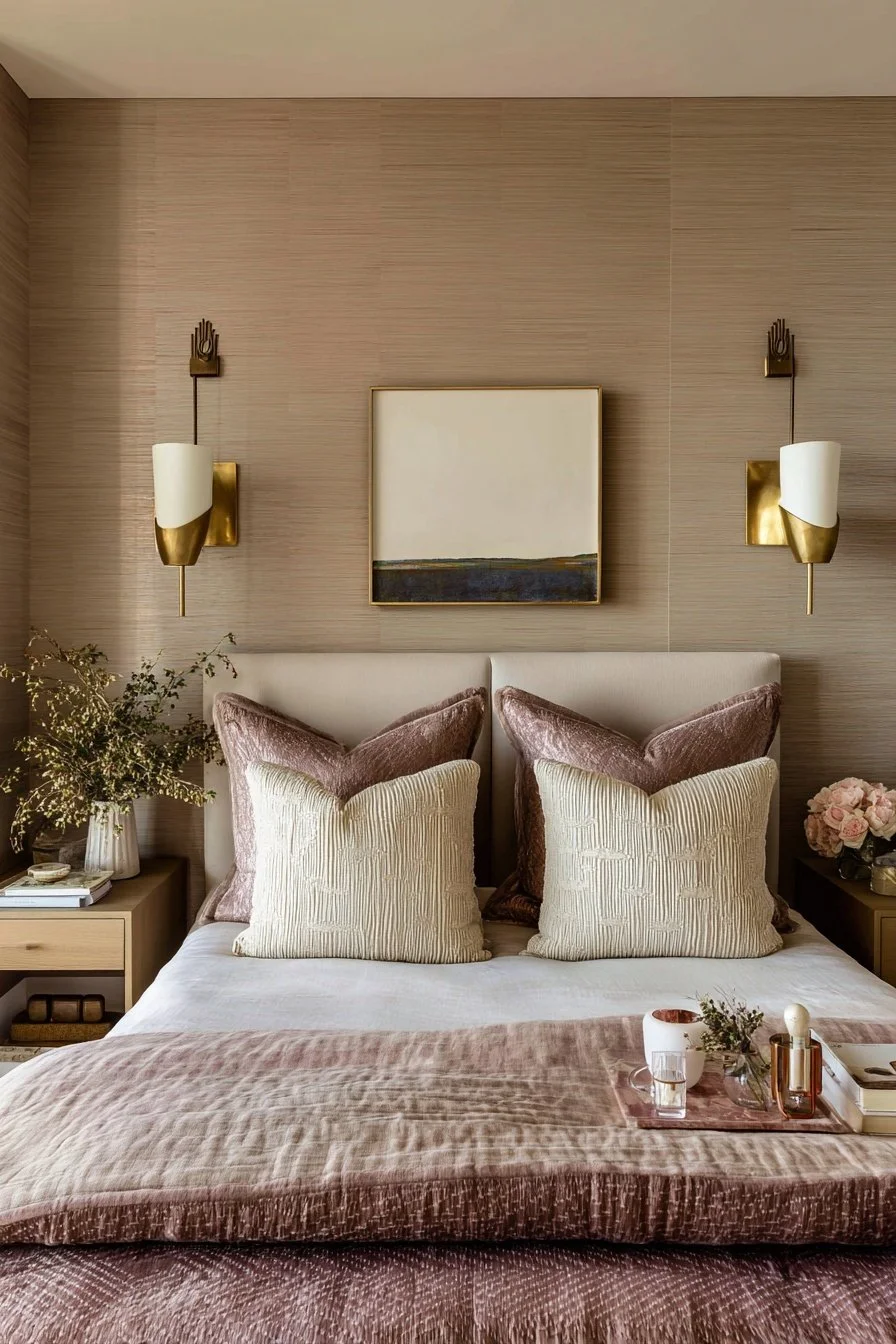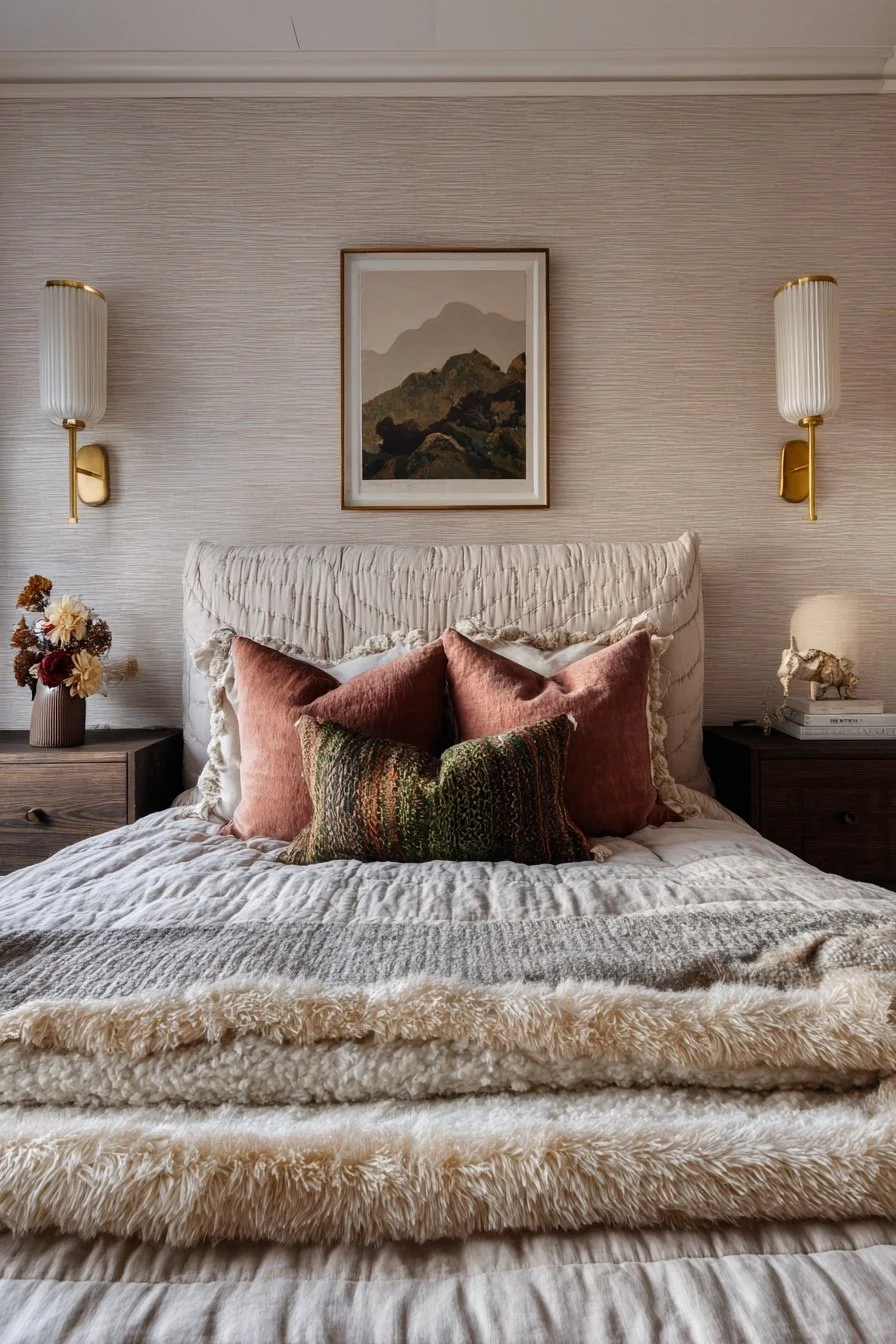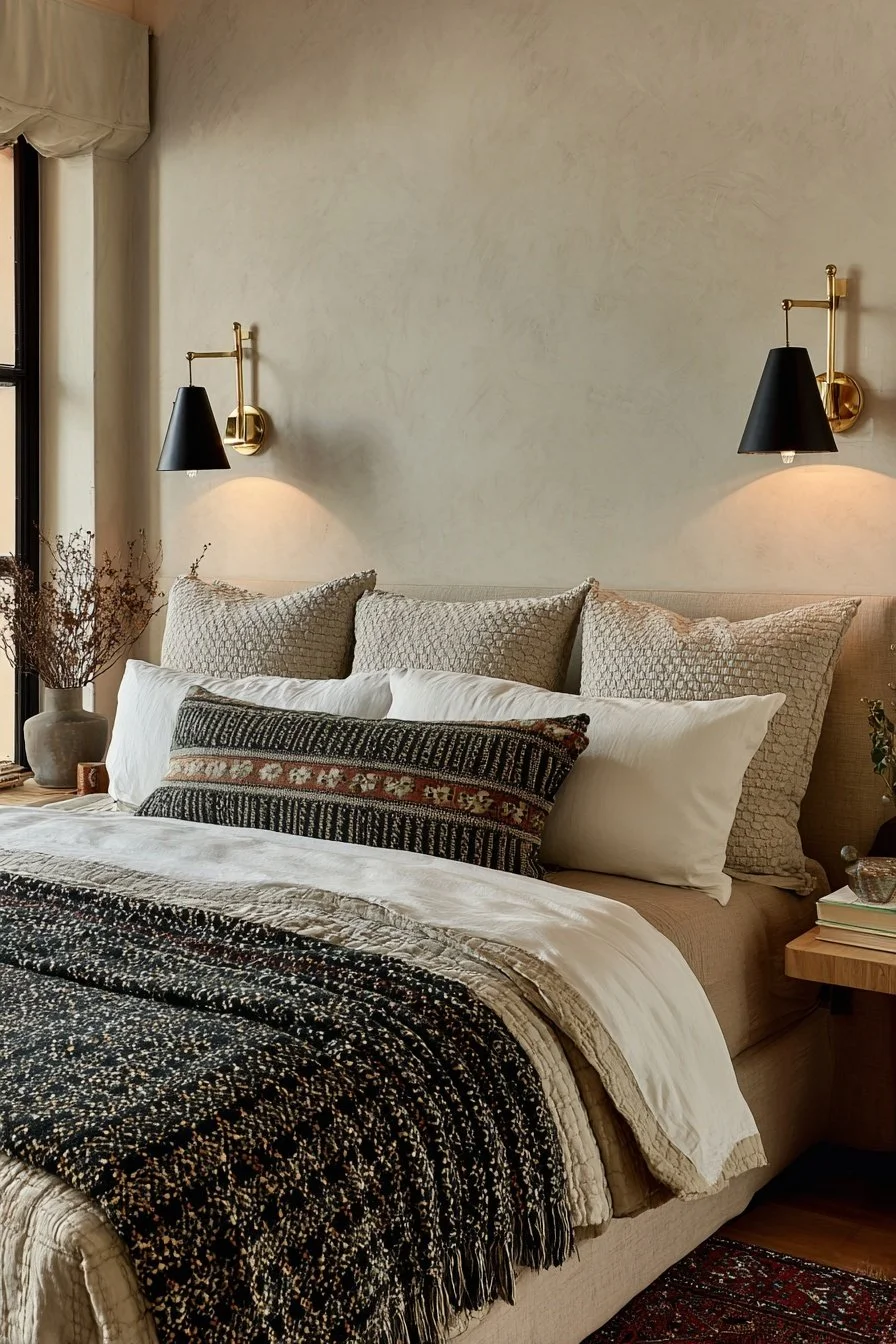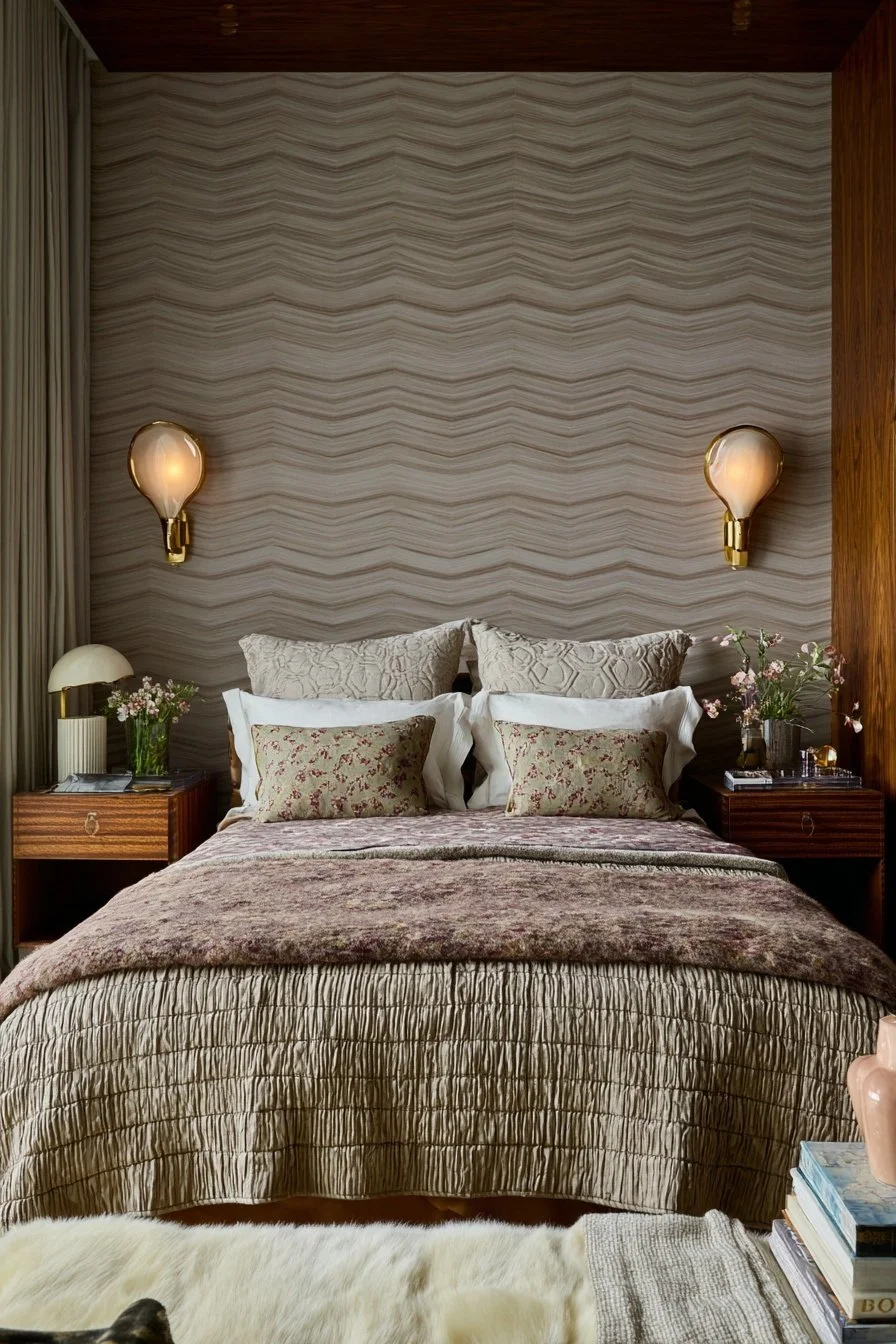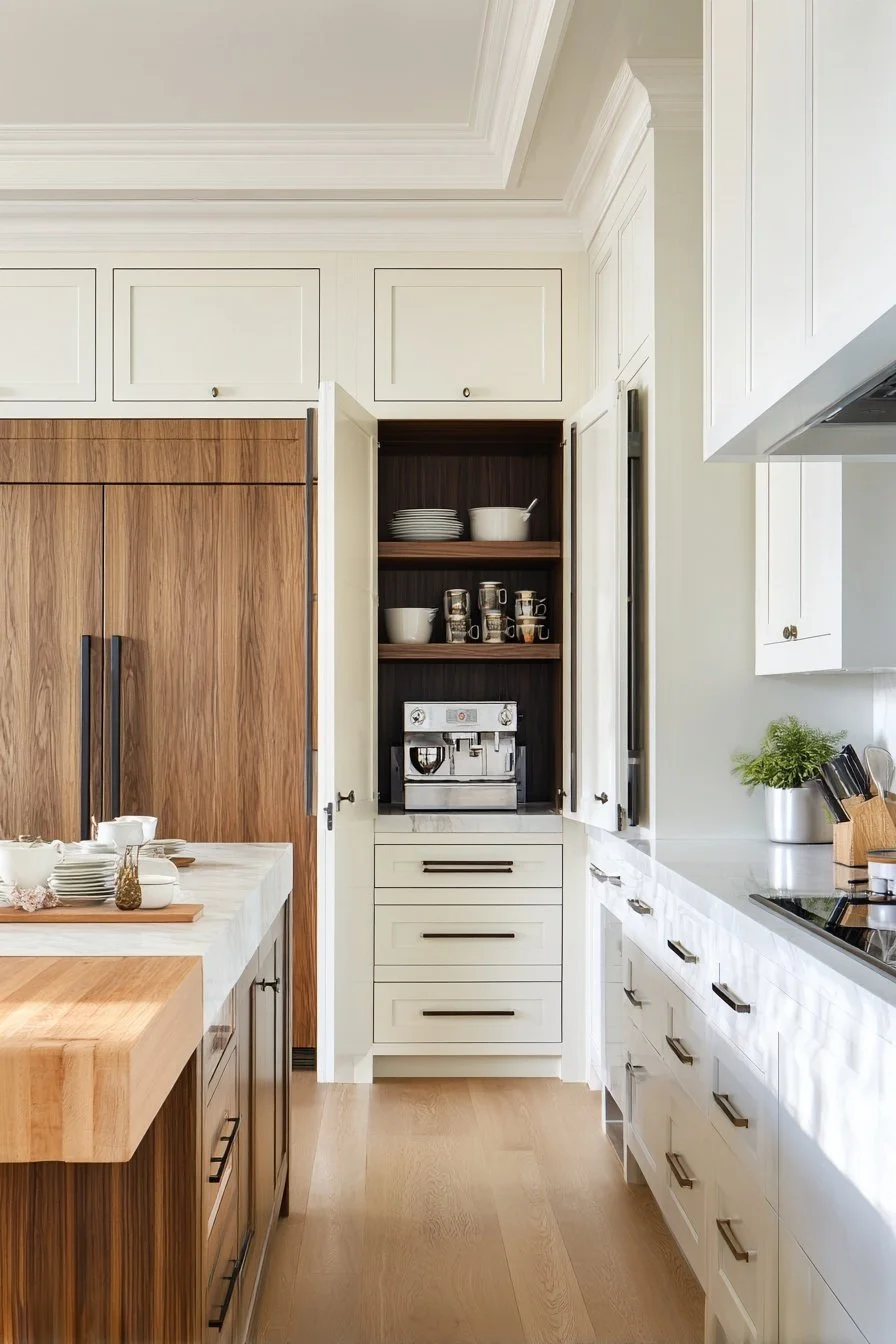
Have you ever walked into a beautifully designed home and still felt… nothing?
The furniture is perfect.
The palette is coordinated.
The lighting is photogenic.
And yet the space somehow feels flat.
As an interior designer who has designed hundreds of spaces, I have a confession:
I started to hate interior design.
Not because I hate beauty.
Not because I hate furniture.
I hated the moment our industry stopped asking how a room feels and started focusing only on how it photographs.
Homes began performing for the internet instead of supporting the people living inside them.
And the difference is bigger than we think.
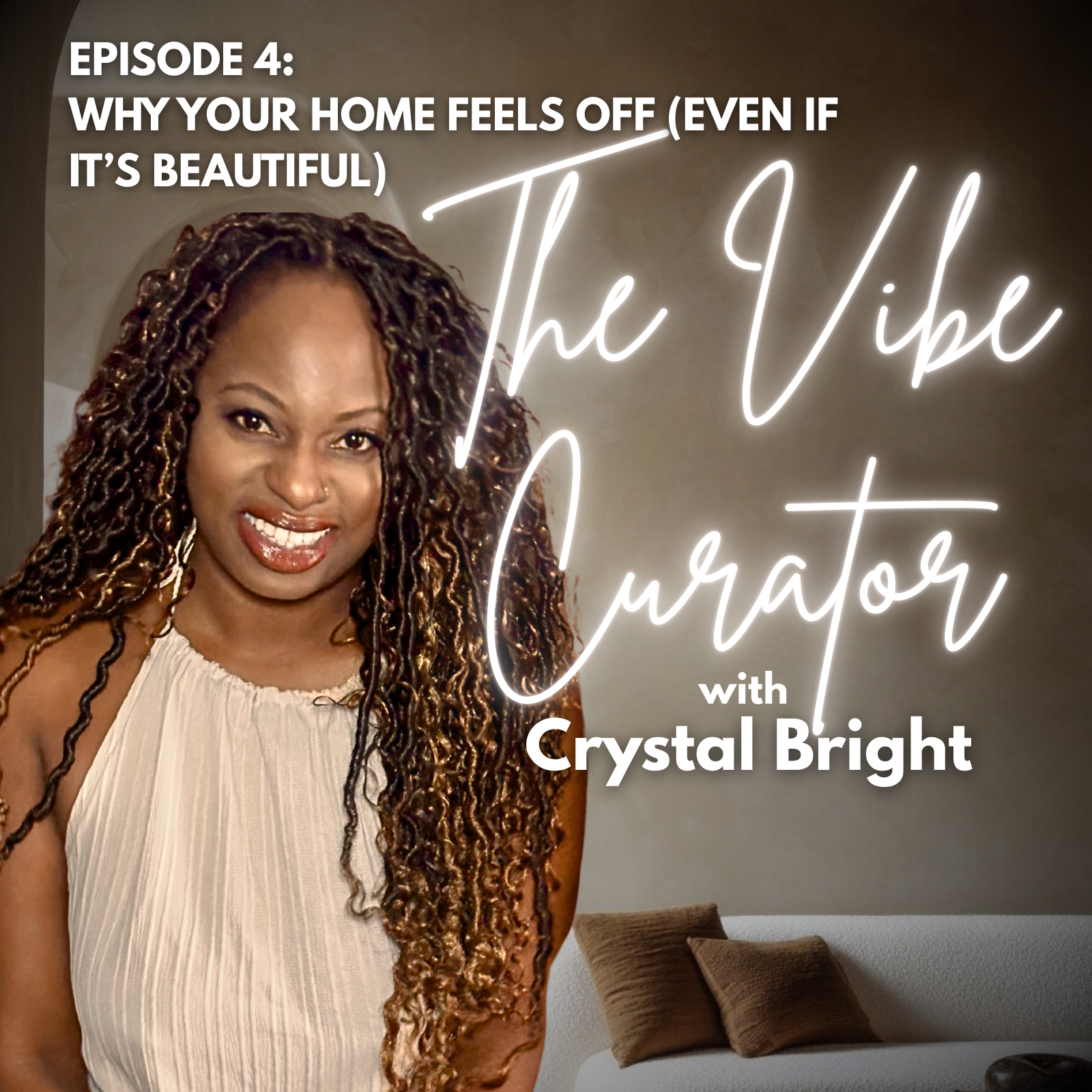
Listen to the Full Podcast Episode
🎙 Episode 1: Why I Hate Interior Design (And Why I Love It Again)
What Older Homes Understood About Design
Lately I’ve been watching shows like Bridgerton and The Gilded Age.
And honestly, I’m not watching for the drama.I’m watching the walls. In Bridgerton’s Regency interiors you see rooms filled with intention:
• soft sage greens
• delicate hand-painted walls
• graceful curved furniture
• symmetry and rhythm everywhere
Every object feels like it belongs.
Then you jump to The Gilded Age.The aesthetic changes completely — darker woods, velvet drapes, carved fireplaces — but the intentionality remains. Those spaces were curated slowly.Not assembled quickly.Every piece had meaning.
When Beauty Started Moving Too Fast
Then the industrial revolution changed everything. Railroads allowed materials, fabrics, and furniture to travel across countries. Suddenly beautiful objects weren’t only for aristocrats. That was an incredible moment in design history. But it also introduced something new:
speed.
Mass production made furniture cheaper and more accessible.But it also made it easier to replace. And when replacement speeds up…
curation slows down.
Fast Furniture and Retail Fatigue
Today beauty moves at the speed of a Prime truck. A sofa can arrive in two days. Pinterest refreshes your taste every hour. TikTok declares your kitchen outdated six months after you renovate it.
As a designer, I attend major markets around the world:
High Point Market
Maison & Objet in Paris
Las Vegas Market
I love discovering materials and craftsmanship. But sometimes I walk through showrooms and feel something strange. The rooms look perfect. But they feel empty. Because they were designed for presentation. Not for people.
The Intrinsic vs Extrinsic Design Problem
Around this time I heard Oprah interview Jennifer Wallace, author of Mattering: The Secret to a Life of Deep Connection and Purpose She explains the difference between extrinsic value and intrinsic value.
Extrinsic value asks:
Do people approve of me?
Intrinsic value asks:
Am I grounded in what actually matters?
And suddenly I realized something.
Interior design has the same problem.
Many homes are designed for extrinsic value:
• Instagram photos
• resale value
• trend approval
But humans thrive in environments designed for intrinsic value:
• comfort
• identity
• emotional safety
That realization changed my entire design philosophy.
Why Your Nervous System Responds to Your Home
Your brain is constantly scanning the environment and asking:
Can I relax here?
Environmental psychology research shows that things like:
• harsh lighting
• visual clutter
• chaotic layouts
can increase cognitive load and stress.
Your nervous system reacts before your conscious mind even notices.
For people with ADHD or high sensory sensitivity, the effect is even stronger.
Harsh light can spike anxiety.
Clutter can shut down focus.
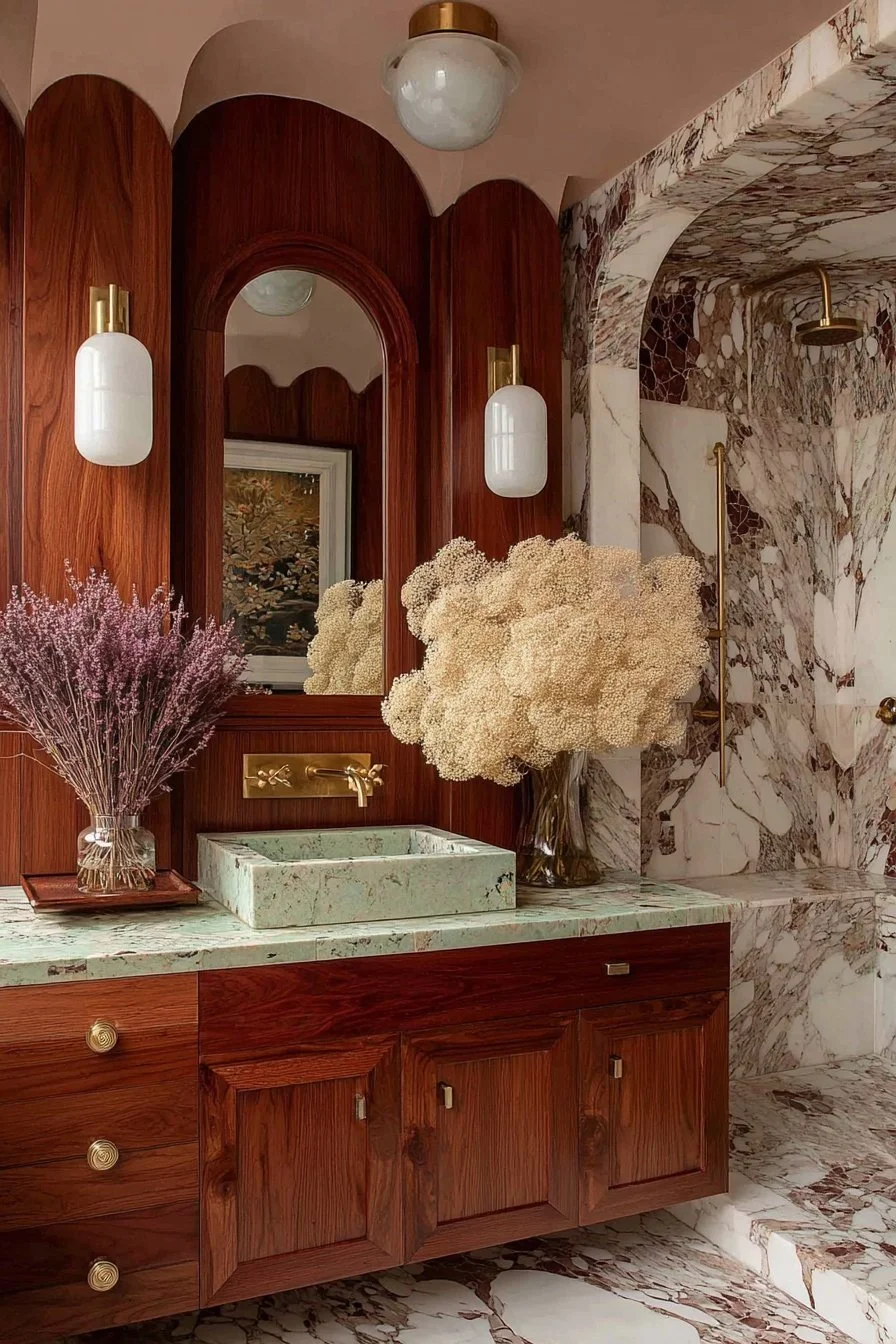
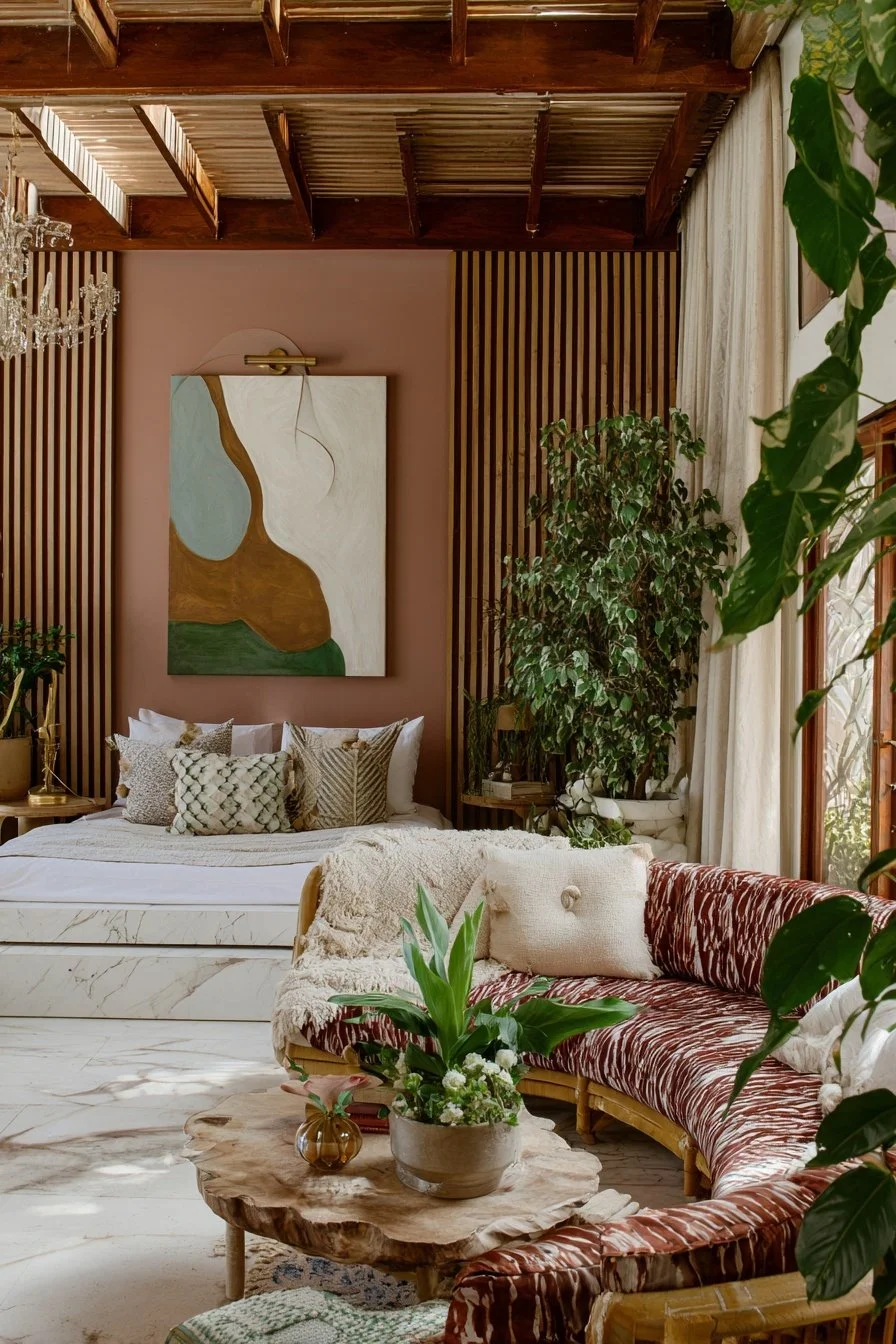
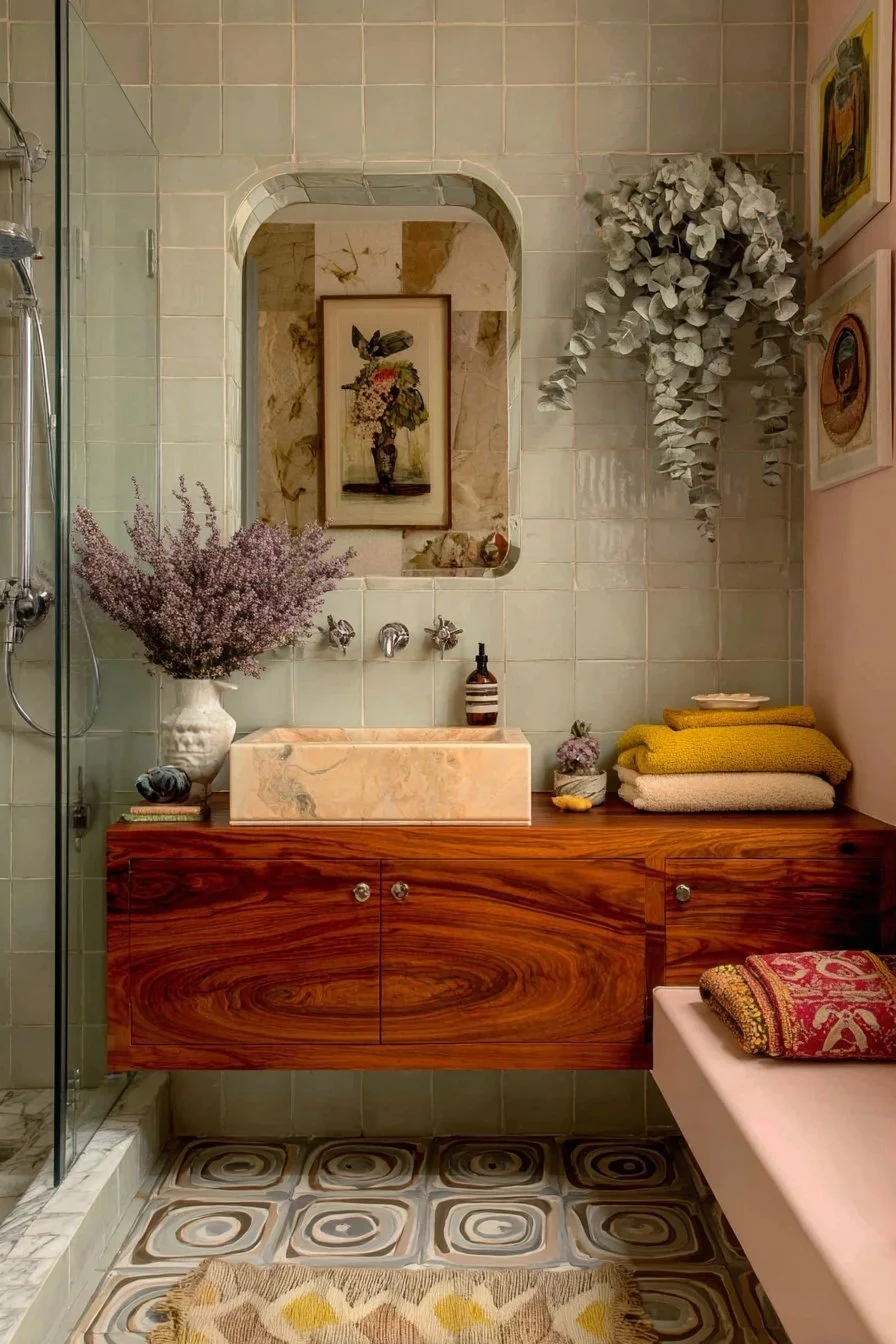
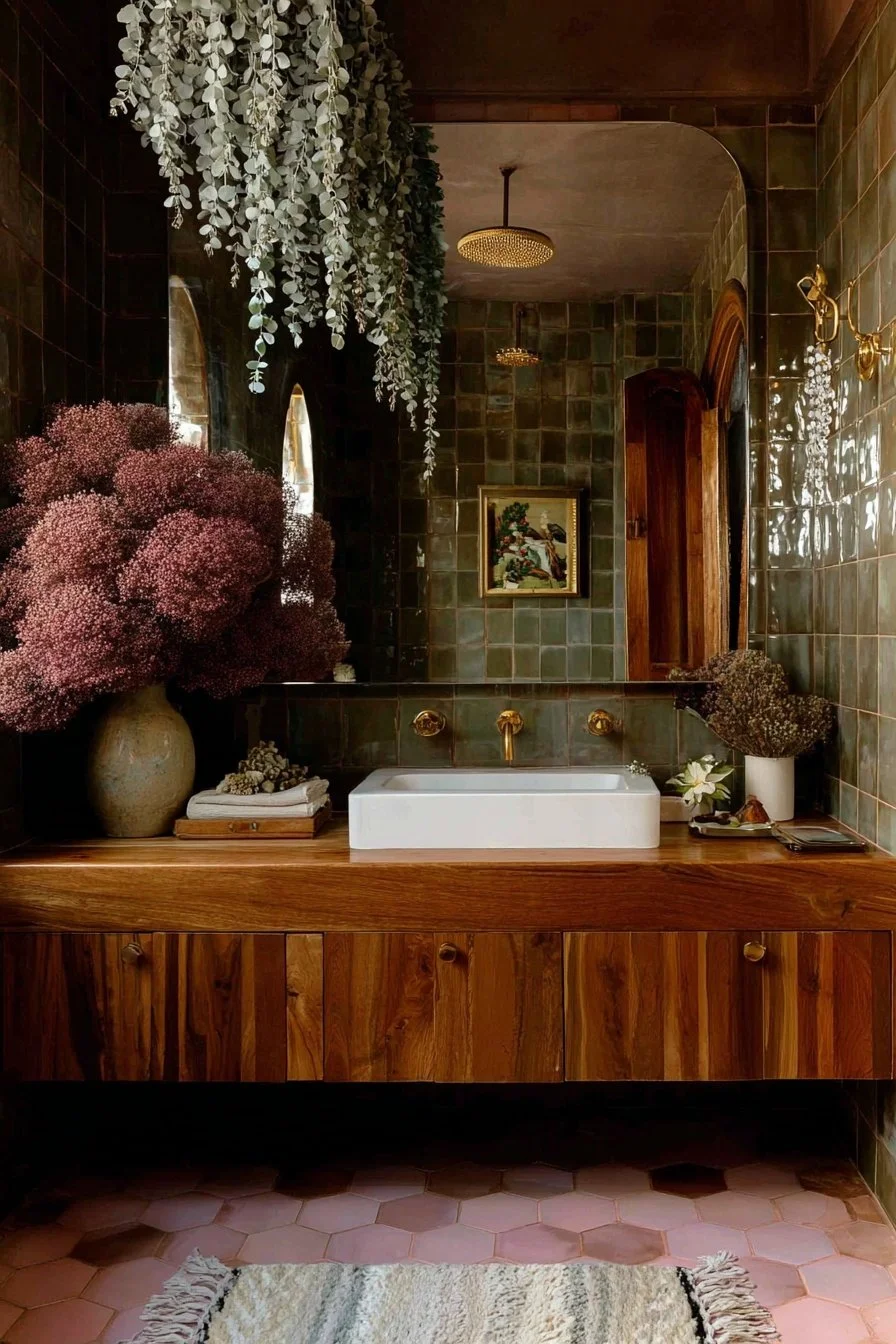
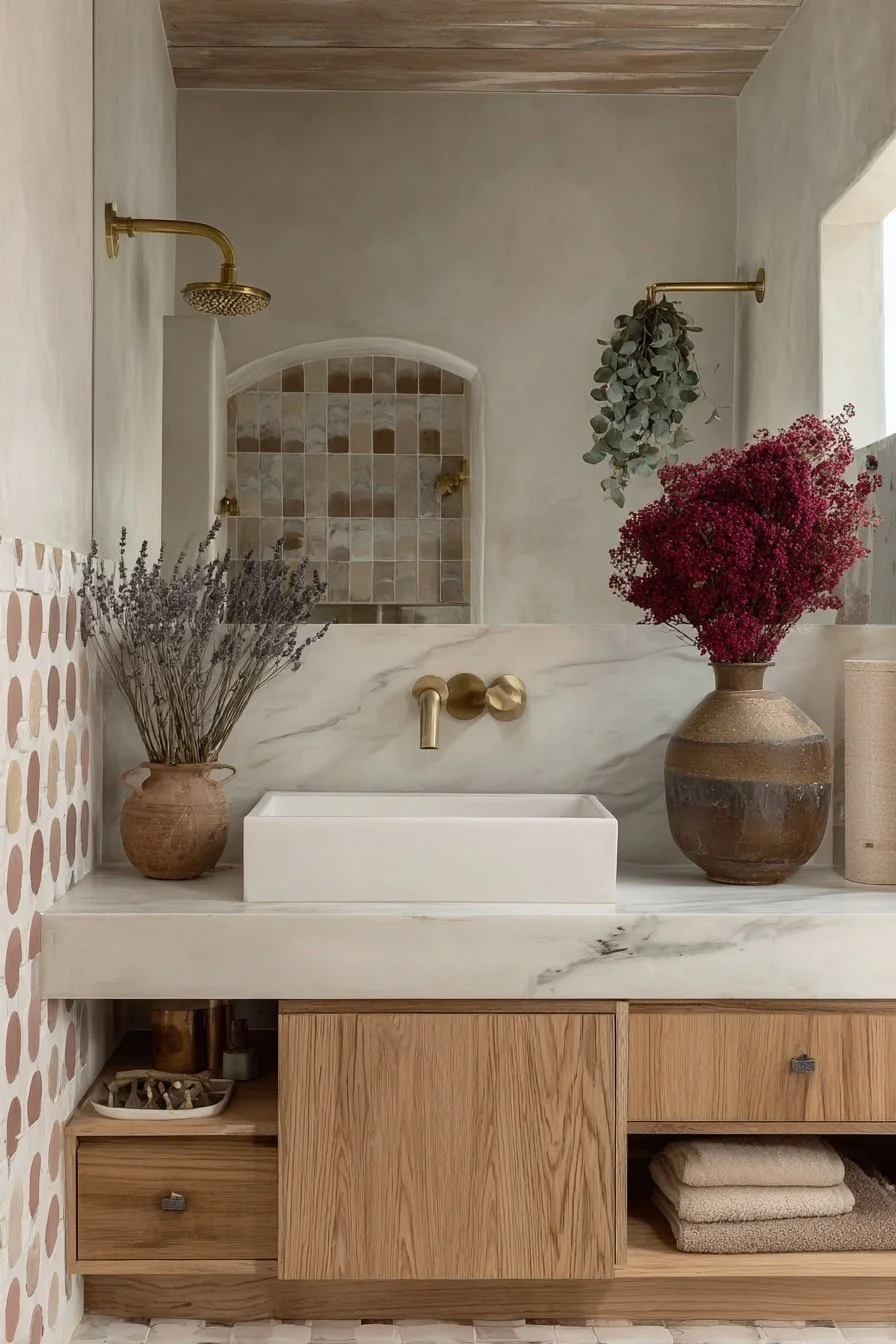
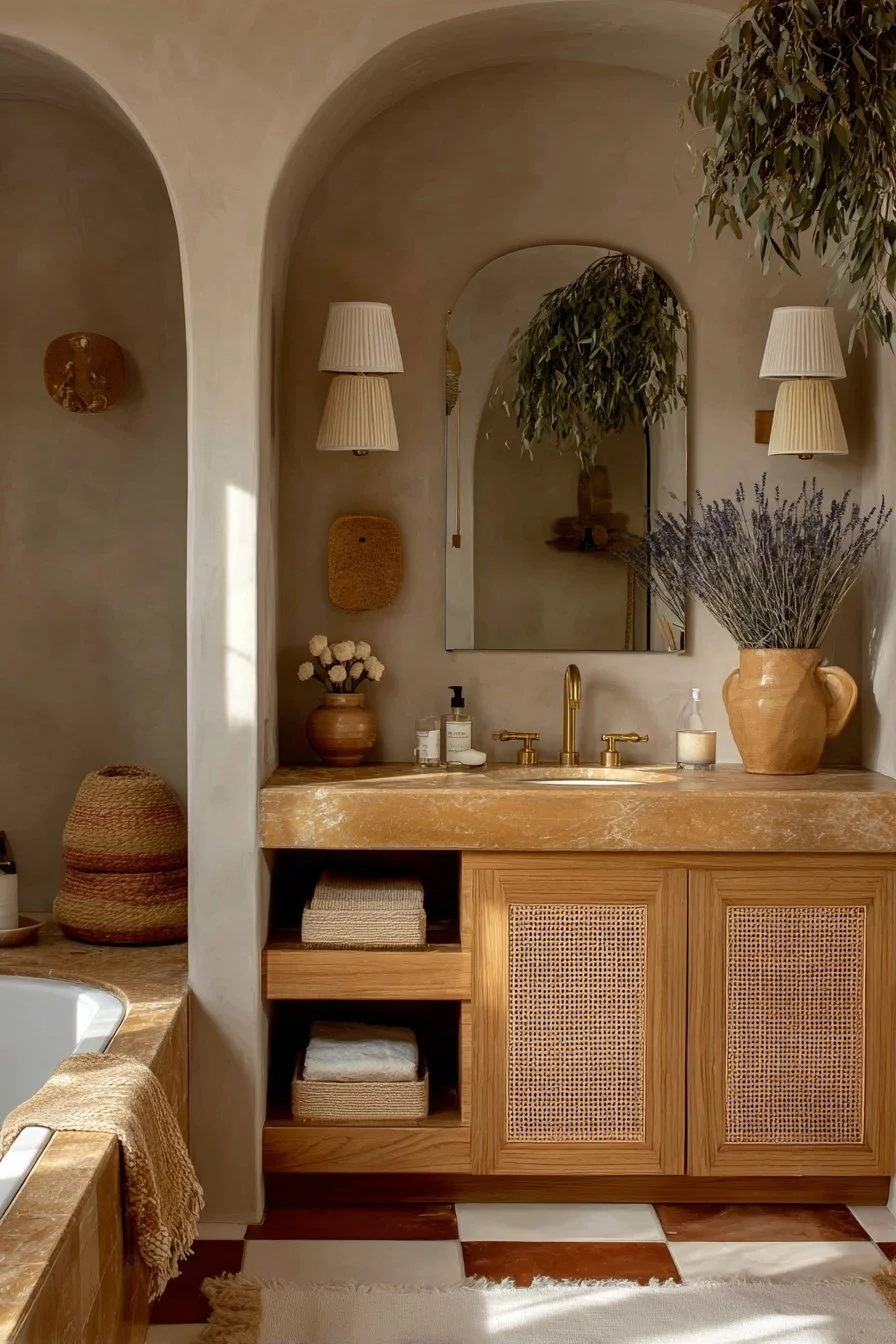
But when a space is balanced — through color, texture, lighting, and layout — something shifts.
Your brain feels safe.
And when the brain feels safe…
you function better.
Designing for How You Want to Feel
Most design starts with beauty.
But biology starts with something else.
Comfort.
Predictability.
Coherence.
When those exist first, beauty becomes enjoyable instead of overwhelming.
That idea led me to develop the Vibe Curator framework.
Instead of starting with trends, we start with emotion.
Ask yourself:
How do I want to feel in this room?
Two words is enough.
For example:
Airy and bright.
That emotional intention guides every decision that follows.
Color palette.
Texture.
Lighting.
Layout.
Suddenly the room becomes coherent.
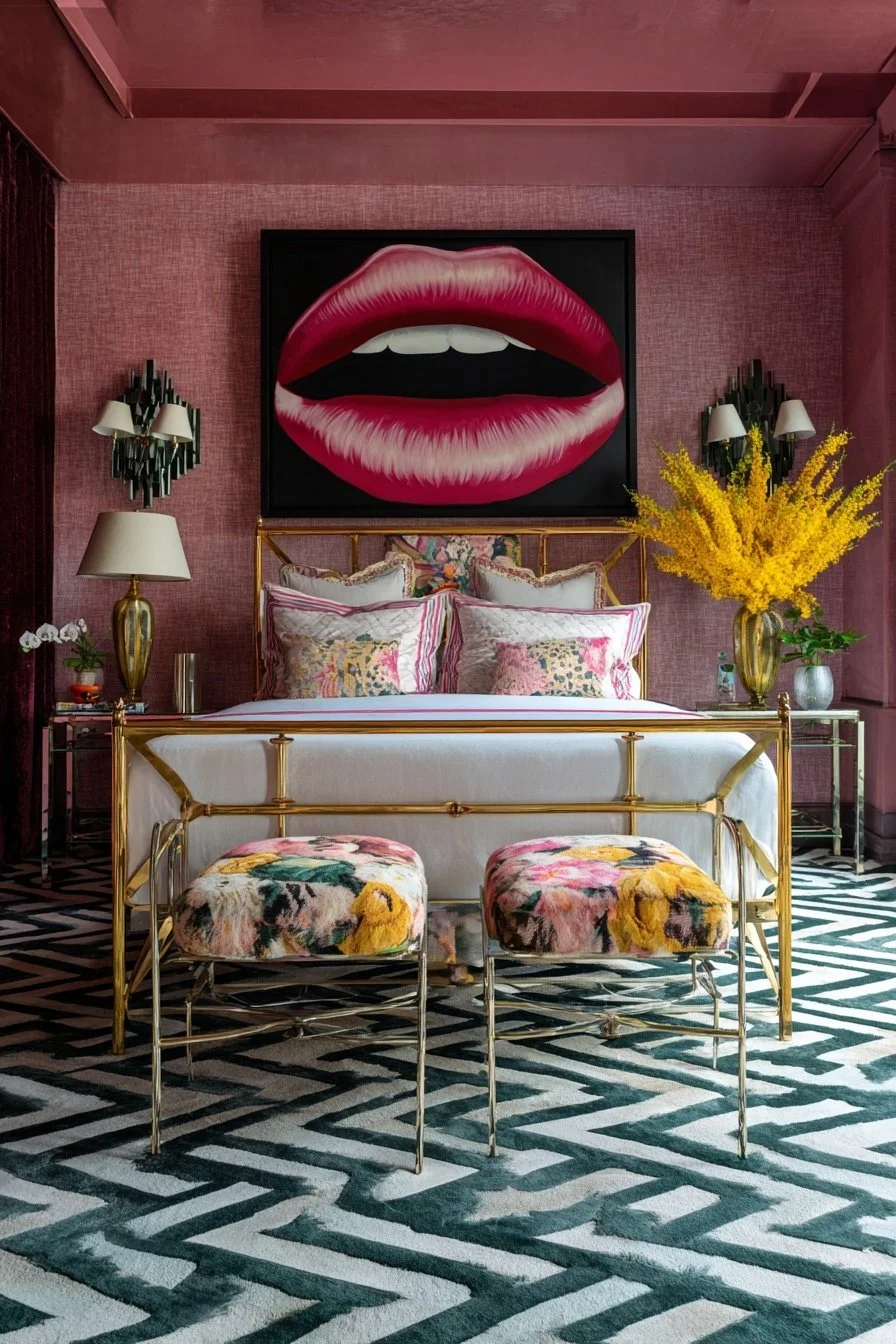
Not trendy.
Why “What’s Trending?” Is the Wrong Question
Design Facebook groups ask this question constantly:
What’s trending right now?
But usually the person asking doesn’t actually want a trend.
They want something deeper.
They want their home to feel right.
Trends change every year.
Emotion lasts.
When you design around how you want to feel, trends stop controlling your space.
The Question That Changes Everything
Instead of asking: What’s trending?
Try asking:
How do I want to feel here?
When your home supports that answer, something powerful happens.
You relax more easily.
You focus more clearly.
You connect more deeply with the people around you.
And suddenly design becomes what it was always meant to be.
Not performance.
But support.
Listen to the Full Episode
🎙 Episode 1: Why I Hate Interior Design (And Why I Love It Again)
In this episode I talk about:
• why modern interiors often feel empty
• how fast furniture changed design culture
• how your nervous system reacts to spaces
• why intentional design creates better homes
Explore More from Living Bright Interiors
You can learn more about intentional sensory design on my blog:
LivingBrightInteriors.com
Follow along:
Pinterest
Instagram
YouTube
@livingbrightinteriors
My Book
If you want to go deeper into this approach, my book explores the full design framework:
📖 The Vibe Curator’s Guide to Interior Design
Available on Kindle and as a coffee table book.